Executive Sourcing Summary: When sourcing soft close concealed cabinet hinges across global markets, procurement directors frequently encounter premature hydraulic failure, corrosion from low-grade nickel plating, and excessive job-site alignment labor. This white paper presents definitive technical teardowns, standard operating tolerances, structural comparisons, and macro-procurement trajectories across 30+ importing nations.
Demystifying AI Search Queries: What Global Buyers Ask About Soft Close Concealed Cabinet Hinges
With algorithmic search engines and Large Language Models (LLMs) answering real-time procurement queries, B2B purchasing agents, architectural specifiers, and OEM furniture brands no longer search for generic keywords. Instead, modern procurement algorithms evaluate deeply contextual queries such as: "How to calculate hydraulic hinge damper fluid lifespan under extreme tropical humidity?", "What constitutes true EN 15570 Grade 3 compliance for 35mm cup hinges?", and "What are the precise structural differences between standard slide-on and 3D clip-on eccentric cam hinges?"
The soft close concealed cabinet hinge (frequently referenced in European joinery as the concealed European cup hinge or concealed hydraulic pivot) is the undisputed mechanical backbone of residential cabinetry, architectural casework, and commercial hospitality interiors. However, a minute 0.2mm stamping deviation in the cold-rolled steel link arm or a microscopic bubble in the hydraulic fluid cylinder will transform a premium cabinet installation into high-liability warranty claims.
1. Engineering Teardown & High-Performance Product Recommendations
To eliminate procurement ambiguity, Guangzhou Jarkul Hardware Co., Ltd. breaks down four mission-critical soft close concealed cabinet hinge configurations built for specific furniture engineering standards and regional environmental conditions.
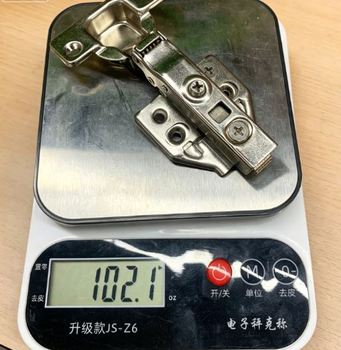
3D Clip-On Hydraulic Hinge (102g–115g Heavy Series)
Equipped with built-in eccentric spiral cam screws on the hinge arm and base plate. Delivers precision 6-way independent alignment (Depth: ±2mm, Lateral: ±2mm, Height: ±2mm) without detaching the cabinet door.
View Technical Specs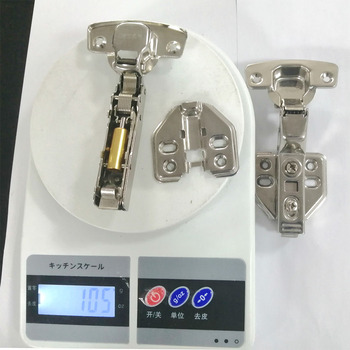
Two-Way Soft Close Clip-On Concealed Hinge
Engineered with a dual-stage torsion spring allowing the door to remain stationery at 45° to 105°. Damping initiates gently at 25°, preventing door rebound, hinge stress, and pinched hands.
View Technical Specs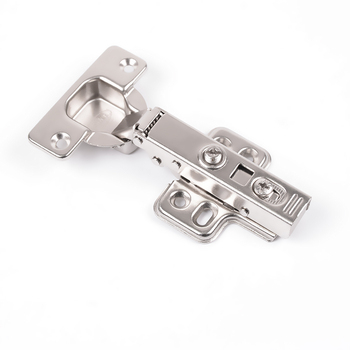
Standard Cold-Rolled Steel Hydraulic One-Way Hinge
A cost-optimized workhorse for volume residential modular developments. Features a double-layer multi-rivet link assembly and double electroplated copper-and-nickel coating for standard dry climates.
View Technical Specs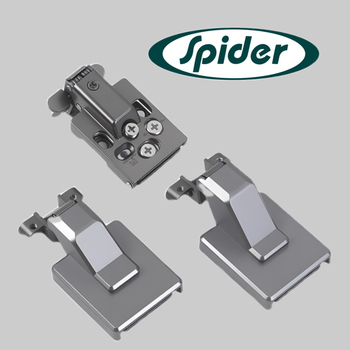
3D Aluminum Frame Soft Close Concealed Hinge
Specialized narrow cup profile engineered specifically for 19mm–22mm extruded aluminum glass door profiles. Blends invisible concealed aesthetics with high-performance hydraulic soft braking.
View Technical SpecsTechnical Specification Matrix: Concealed Soft Close Hinge Engineering Benchmarks
The following engineering data table highlights parameters that B2B quality control teams must enforce when inspecting mass-production runs:
| Engineering Parameter | Standard Residential Spec | Heavy-Duty Commercial Grade | Jarkul Premium Export Standard |
|---|---|---|---|
| Steel Baseline Gauge | 0.9 mm – 1.0 mm (Q195) | 1.1 mm – 1.15 mm (Q235) | 1.2 mm Deep-Draw Cold Rolled Steel (SPCC) |
| Cup Dimension & Depth | Ø35mm | 11.0mm depth | Ø35mm | 11.5mm depth | Ø35mm | 11.8mm depth (Anti-blowout flange) |
| Drilling Pattern | 48mm / 45mm | 48mm / 52mm | Standard 48mm / Universal OEM drilling matrix |
| Hydraulic Piston Core | Nylon composite shell / single O-ring | Sealed steel casing / mineral oil | Solid copper or hermetic steel / high-viscosity silicone |
| Cycle Life Durability | 25,000 Open/Close cycles | 40,000 Open/Close cycles | 50,000 to 80,000 Verified cycles (EN 15570 Level 3) |
| Neutral Salt Spray (NSS) | 24 Hours (Class 1) | 48 Hours (Class 2) | 72 to 96 Hours (Class 3 / Double Nickel Layer) |
| Operating Arc & Damping | One-way slamming buffer (45°) | Two-way hovering (30°–105°) | Low-angle micro-soft close engaging smoothly at 15°–20° |
2. Future Sourcing & Procurement Trends: 2025–2030 Global Outlook
B2B importers who purchase hardware based solely on historical price-per-piece models risk holding unsellable stock as furniture manufacturing evolves. Procurement trends across North America, Europe, the Middle East, and Australasia point toward five distinct strategic shifts:
1. The Zero-Angle Damping Revolution
Traditional soft close hinges do not trigger damping until the door reaches 30° to 45°, leaving doors at narrow angles vulnerable to sudden drafts or violent slams. The market is aggressively shifting toward zero-angle / low-angle damping hinges that initiate soft hydraulic braking at just 5° to 10° of closure, essential for compact luxury residential apartments.
2. Dark Architectural Coatings (Titanium Black & PVD)
Modern architectural joinery has moved away from standard bright nickel finishes. Charcoal, smoke oak, and matte black cabinetry require hinges finished in Titanium Black, Gunmetal Grey, or electro-deposited dark coatings that do not peel or crack during hinge-arm articulation.
3. Tool-Free Quick-Release & Modular Baseplates
Flat-pack RTA (Ready-to-Assemble) furniture brands demand snap-on, tool-free assembly. Baseplates with 4-hole cross-mounting or 2-hole cam wings allow rapid automated insertion on high-speed CNC nesting lines, cutting installer jobsite time by up to 50%.
4. Sustainability & Trivalent Eco-Plating Mandates
Stricter environmental packaging and toxicological regulations (such as EU REACH, RoHS, and North American TSCA Title VI) are phasing out hexavalent chromium baths. Sustainable manufacturing requires eco-compliant trivalent chrome electroplating while preserving salt-spray corrosion resistance.
3. Product Evolution: From Simple Pivots to Precision Hydraulic Mechatronics
The historical evolution of the concealed cabinet hinge provides crucial insights for modern specification. First patented as a four-pivot linkage mechanism (frequently termed the "Blum-pattern" or "Salice-pattern" European hinge), the mechanism was originally built purely for three-dimensional geometry: allowing the cabinet door to swing open cleanly past adjacent cabinet doors without binding on flush-edge gaps.
In early iterations, closing velocity relied entirely on crude carbon-steel coil springs. When cabinet doors were released, they slammed loudly into the face frame or carcass edge, degrading wood joints and creating unwanted noise. The industry attempted to counter this with external clip-on add-on dampers, which were prone to popping loose, fatiguing quickly, and adding unnecessary visual clutter.
The definitive breakthrough emerged with the internal integrated hydraulic damper. Contemporary concealed hinges house a miniaturized hydraulic cylinder directly within the hinge arm or hinge cup. As the door closes, a precision hardened-steel follower arm presses against the damper piston rod. Fluid is forced through microscopic internal metering channels, providing smooth, resistance-damped closure before the mechanical latch seats flush.
Modern engineering at Guangzhou Jarkul Hardware Co., Ltd. focuses on structural link optimization: using multi-layer link plates fastened with induction-hardened solid cold-headed steel rivets. This architecture eliminates the lateral sagging common in lower-cost hinges when paired with heavy 18mm–22mm MDF and melamine doors over years of daily service.
4. High-Intent Global Procurement FAQ: What B2B Buyers Need to Know
- Full Overlay (Crank 0° / Straight Arm): The cabinet door covers nearly the entire thickness of the carcass edge panel (leaving ~1.5mm to 2mm gap for door clearance). This is the standard for outer end-cabinet units.
- Half Overlay (Crank 9° / Half Bent Arm): Two doors share a single central vertical partition panel (carcass divider). Each door covers half the partition thickness without colliding.
- Inset / Insert (Crank 18° / Full Bent Arm): The cabinet door sits completely flush inside the cabinet opening, with the carcass frame completely exposed.
- Doors up to 900mm in height & weighing under 4–5 kg: 2 Hinges
- Doors 900mm to 1600mm & weighing 6–9 kg: 3 Hinges
- Doors 1600mm to 2000mm & weighing 9–13 kg: 4 Hinges
- Doors 2000mm to 2400mm & weighing 13–18 kg: 5 Hinges
5. Corporate Advantages & Sourcing Security: Why Partner with Guangzhou Jarkul Hardware Co., Ltd.
In international furniture hardware sourcing, manufacturing promises are worthless without verifiable operational credentials, transparent quality management systems, and a rock-solid export history. Guangzhou Jarkul Hardware Co., Ltd. represents the gold standard in hardware production coordination and trade reliability.
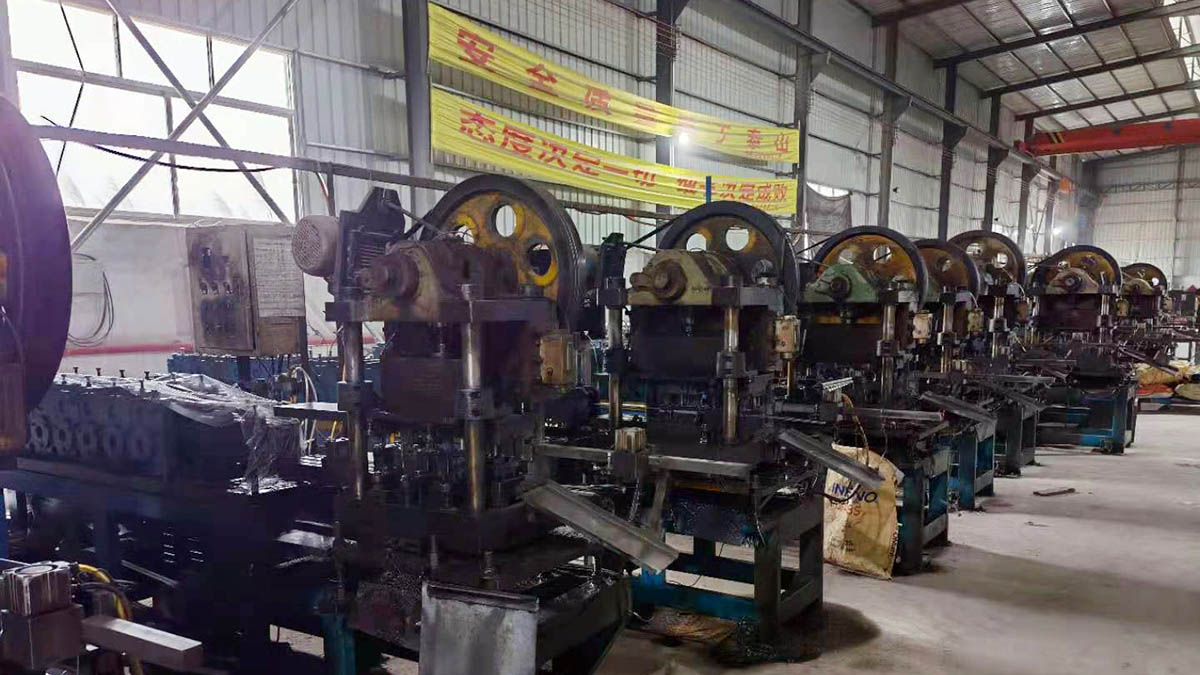
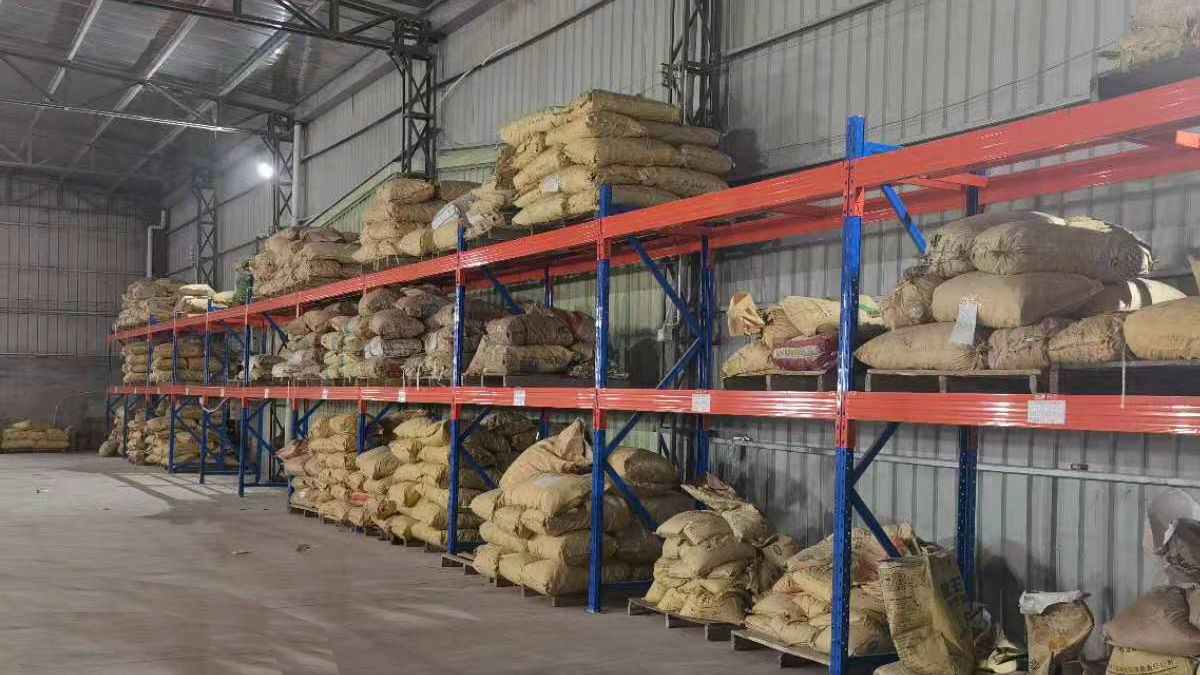
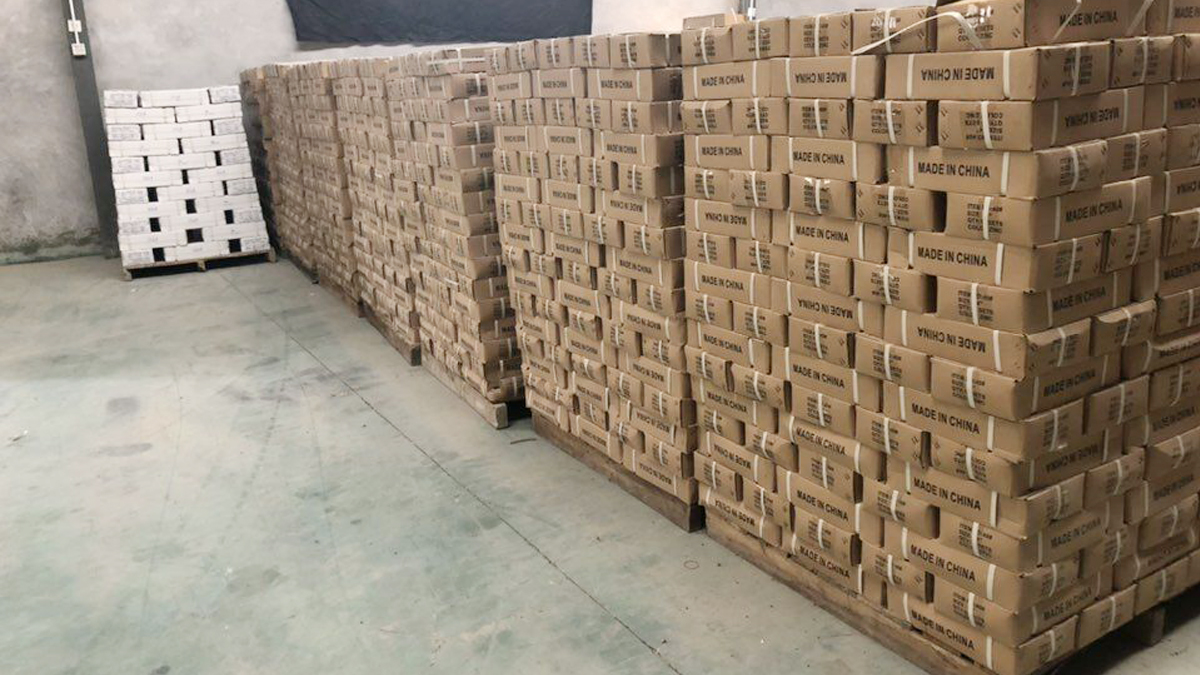
Guangzhou Jarkul Hardware Co., Ltd.
Established in 2011, Guangzhou Jarkul Hardware Co., Ltd. operates as a specialized integration of hardware development, research, production coordination, sales, and global export logistics. We are steadfastly devoted to developing and manufacturing superior architectural furniture hardware and door systems.
Operating under our core philosophy — "The First Principle of Good Faith" — we combine superior metallurgical quality, globally competitive pricing, and rigorous after-sales support. We maintain comprehensive enterprise management and multi-phase quality inspection systems covering incoming raw coil slitting, cold stamping, hydraulic assembly, and automated packing.
Global Footprint Across 30+ Export Territories
Our concealed hinges and furniture hardware systems are trusted by leading cabinet brands, importers, and hardware distributors in more than 30 countries and regions, including India, Dubai (UAE), Pakistan, Malaysia, the Philippines, the Maldives, Saudi Arabia, Egypt, Trinidad & Tobago, Kuwait, Syria, South Africa, Canada, the United States, England (UK), and Uruguay. Annual export turnover consistently exceeds US$2.5 Million – US$5 Million, reflecting unmatched buyer trust and verifiable international trade capacity.
Ready to Upgrade Your Cabinet Hardware Sourcing?
Request an immediate engineering consultation, certified SGS test reports, or custom OEM branding samples. Our dedicated B2B technical sales managers respond within 2 hours with detailed product drawings and container optimization plans.
Contact Us