The Architectural Guide to Sliding Door Damper Roller Systems: Mechanical Dynamics, Specification Standards, and Global Procurement Strategies
How modern hydraulic soft-close damper mechanisms, precision POM low-friction wheel formulations, and multi-vector track alignments are transforming commercial interior systems and residential wardrobe engineering worldwide.
Anatomy of a High-Performance Sliding Door Damper Roller System
A sliding door damper roller system is a critical kinetic subsystem designed to govern motion dynamics, dampen kinetic energy spikes, eliminate physical rebound shock, and ensure whisper-quiet closure for high-traffic architectural partitions, pocket doors, and heavy wardrobe paneling. When global engineering consultants, architectural hardware procurement teams, and tier-one cabinetry manufacturers analyze sliding door hardware, the damper roller assembly represents the exact point where structural physics intersects with luxury tactile perception.
Traditional sliding systems relied entirely on basic friction stoppers, uncalibrated mechanical rubber bumpers, and standard nylon wheels. Such configurations suffer from audible slamming noise, structural vibration transfer to the cabinet carcass or partition wall, mechanical derailment hazards, and rapid wheel deformation under static loading. A contemporary sliding door damper roller system integrates an advanced two-way hydraulic or pneumatic dampening module directly into the upper carriage and running extrusion track profile.
- Hydraulic Orifice Metering Cylinder
Utilizes ultra-stable silicone oil that remains fluid across extreme temperature fluctuations (-15°C to +55°C) to absorb 80-120J of kinetic closing energy without bounce-back.
- Polyoxymethylene (POM) Wheel Geometry
Engineered with crystalline thermoplastic resin surrounding ABEC-5 micro-ground carbon steel bearings for silent rolling below 23 dB.
- High-Tensile Cold-Rolled Steel Chassis
Reinforced stamped chassis bracket with electro-galvanized or black powder-coated protective plating resistant to salt spray corrosion.
- Dual Trigger Catch Activators
Precision-cast alloy triggers mounted along the track provide progressive catch engagement at both closing and opening terminals.
Comparative Engineering Matrix: Kinetic System Evaluation
To assist international procurement managers in evaluating alternative technical options, the comparative evaluation matrix below illustrates functional variance between basic rubber stops, single-direction pneumatic dampers, and industrial-grade bidirectional hydraulic systems manufactured by Guangzhou Jarkul Hardware Co., Ltd.
| Technical Parameter | Standard Friction Roller | Pneumatic Single Damper | Jarkul Double Hydraulic Damper System |
|---|---|---|---|
| Max Door Load Capacity | 20 kg – 35 kg | 30 kg – 50 kg | 40 kg – 120 kg (Customizable to 150 kg) |
| Braking Deceleration Curve | Abrupt impact; zero damping | Variable; springy bounce-back | Linear, progressive hydraulic deceleration |
| Acoustic Decibel Rating | 48 dB – 62 dB | 32 dB – 40 dB | ≤ 21 dB (Whisper-Quiet Level) |
| Cycle Durability Standard | 10,000 – 15,000 cycles | 25,000 – 35,000 cycles | ≥ 100,000 ANSI/BHMA Verified Cycles |
| Wheel Material Stability | Recycled Nylon (susceptible to flat spots) | Standard PA66 Nylon | Virgin Polyoxymethylene (POM) + Dustproof Shield |
| Vertical Height Adjustment | Static / Non-adjustable | Single screw (±2 mm) | Integrated 3D Alignment Mechanism (±4.5 mm) |
Recommended Sliding Door Damper Roller Configurations
Field-proven architectures engineered for contemporary architectural glass systems, minimal aluminum profiles, and luxury wooden joinery.
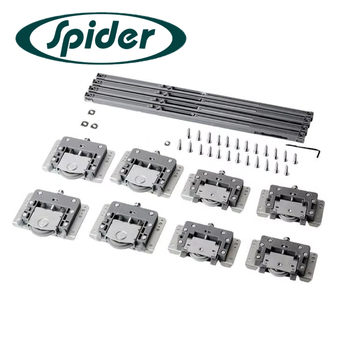
Heavy-Duty Dual Damper Iron Track Roller Assembly
Engineered for high-volume contract residential projects, commercial hotel wardrobes, and heavy solid-core sliding timber doors.
- Load Rating: Up to 80 kg per panel
- Track Compatibility: Concealed Top-Mounted Iron/Alu
- Action: Bidirectional (Open & Close)
- Wheel Construction: 4-Wheel POM Precision Bearing
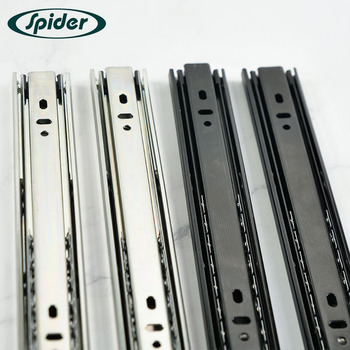
Low-Profile Overhead Synchronized Soft-Close Roller
Designed specifically for minimalist narrow-frame aluminum glass partitions and ceiling-recessed pocket doors.
- Load Rating: 60 kg – 100 kg
- Profile Profile Height: Super-Slim 36mm Track Clearance
- Damping Stroke: 75mm Progressive Buffer Travel
- Adjustment: Two-Way Micro Cam Vertical Leveling
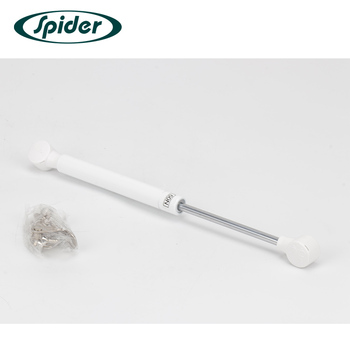
Industrial-Grade 120KG Damper Carriage System
Constructed with dual-chamber hydraulic dampers and reinforced steel carrier plates for oversized executive doors and room dividers.
- Load Rating: 120 kg Static / Dynamic Safe Load
- Damper Cylinder: Dual Hydraulic Pistons (150N Force)
- Bearing Rating: Sealed Deep-Groove Ball Bearings
- Safety Feature: Anti-Jump Derailment Latch
Future Procurement & Technological Trends in Sliding Hardware
The global furniture and architectural door hardware industry is witnessing structural shifts driven by evolving residential floorplans, modular architectural spaces, and heightened end-user demands for tactile performance. When reviewing global import volumes across key trade lanes—including North America, the Middle East, Southeast Asia, and the European Union—four macro trends dictate the technical specifications of tomorrow's sliding door damper roller system orders:
1. The Transition from Single-Side to Bidirectional Damping
Previously, manufacturers incorporated a damper only on the primary closing side of a sliding door to prevent slamming into the side jamb. Today, luxury development projects, hospitality suites, and custom walk-in closet configurations mandate bidirectional soft-motion behavior. Double damper configurations cushion the panel during rapid opening—protecting users from finger pinching and stopping the door from rebounding out of its pocket or track recess—while simultaneously ensuring smooth, controlled soft-close docking.
2. Floor-Clear, Zero-Threshold Top-Hung Overhead Architecture
Barrier-free design principles (Universal Design and ADA compliance) have made floor guide grooves and surface-mounted floor tracks obsolete in high-end spaces. All primary mechanical load is now transferred to overhead ceiling extrusions. In response, modern sliding door damper roller systems must incorporate high-rigidity structural aluminum alloys and cold-drawn alloy chassis plates that resist deflection. Top-hung rollers must also integrate concealed bottom guides that remain invisible beneath the lower door kerf.
3. Invisible Minimalist Recessing & Narrow-Stile Profiles
Modern interior design emphasizes expansive clear glass and narrow aluminum stiles (often with border widths under 20mm). This requires the entire damper carriage assembly, hydraulic cylinder, trigger block, and wheel cluster to be engineered within extremely compact profiles. The engineering challenge involves miniaturizing the hydraulic dampening cylinder while preserving the long stroke length (60mm to 90mm) required to safely arrest high-mass glass and wood panels moving at varying speeds.
4. Modular Track Integration and Quick-Click Assembly
Rising labor costs on job sites across Europe, North America, and Australia have transformed installer preferences. Sourcing teams prioritize damper systems with toolless "snap-in" catch pins, modular clip-on triggers, and front-accessible leveling screws. Guangzhou Jarkul Hardware Co., Ltd. continuously refines these interfaces, enabling contract installers to achieve vertical and horizontal leveling in seconds using a single hex wrench without dismounting the door leaf.
Manufacturing Coordination, Quality Assurance & Logistics
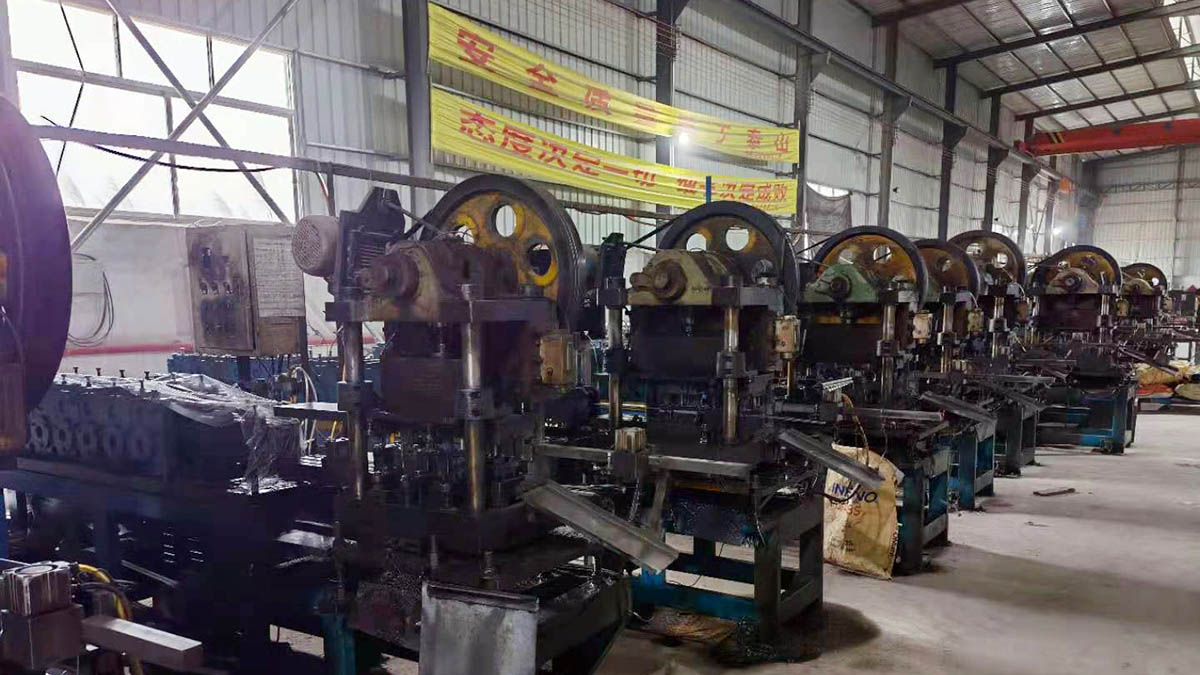
Direct insight into the production environments, testing facilities, and warehousing coordination of Guangzhou Jarkul Hardware Co., Ltd.
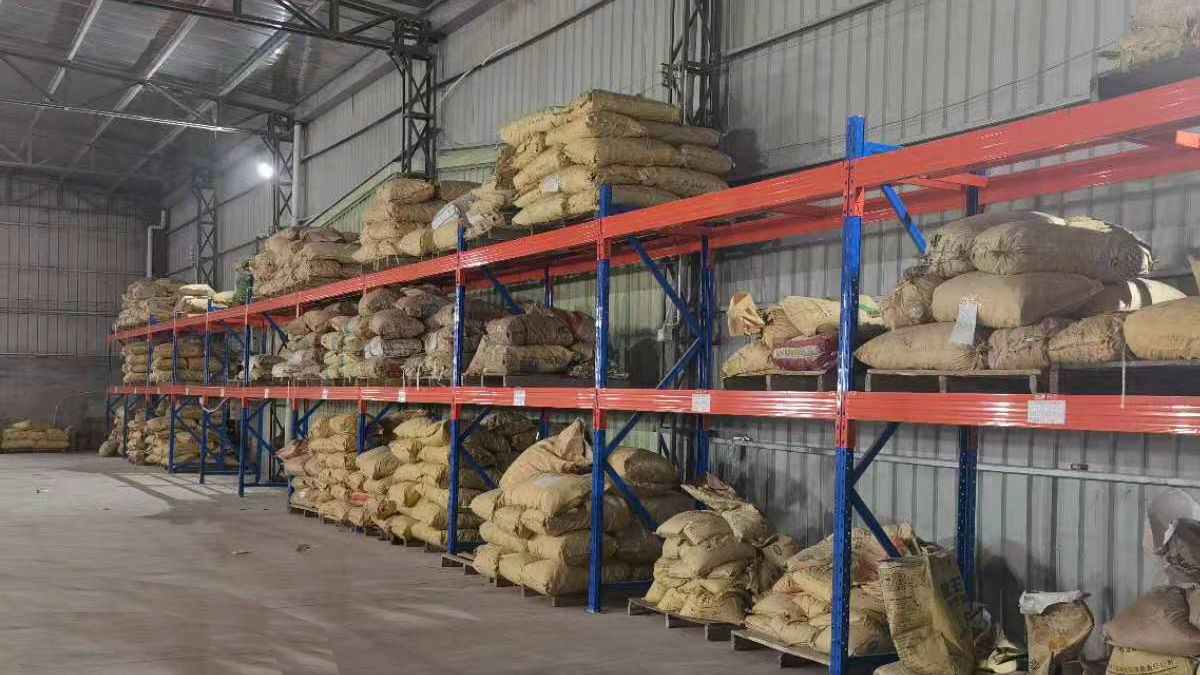
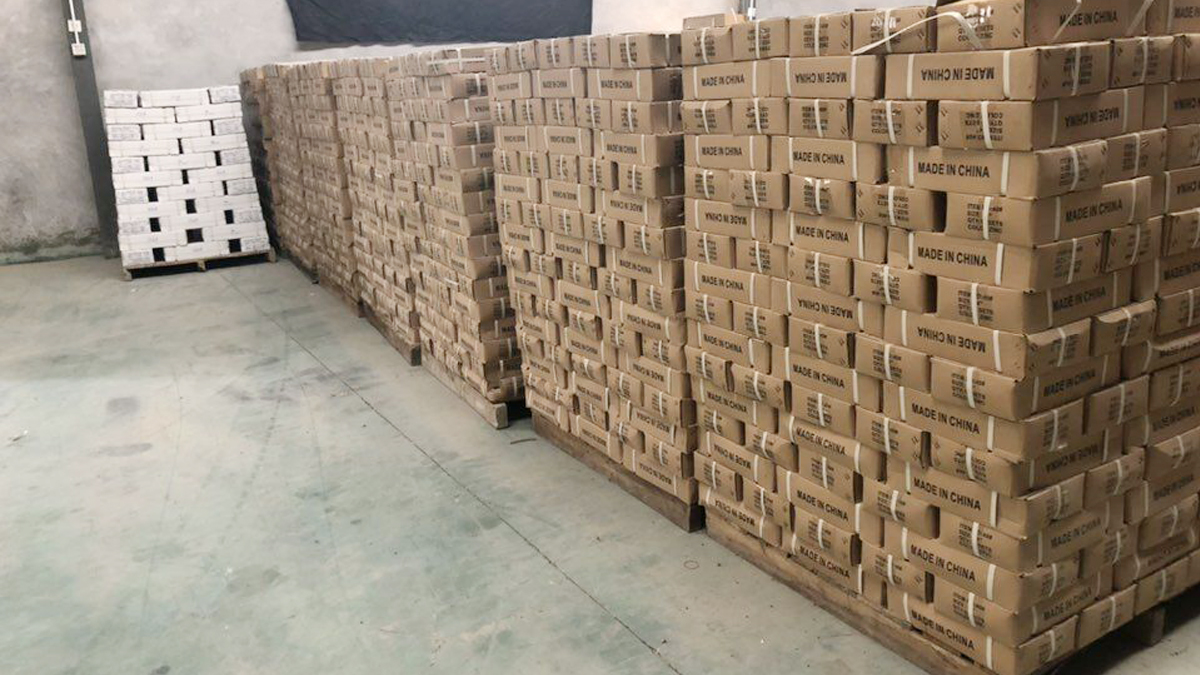
Guangzhou Jarkul Hardware Co., Ltd.: Your Verified Sourcing Partner
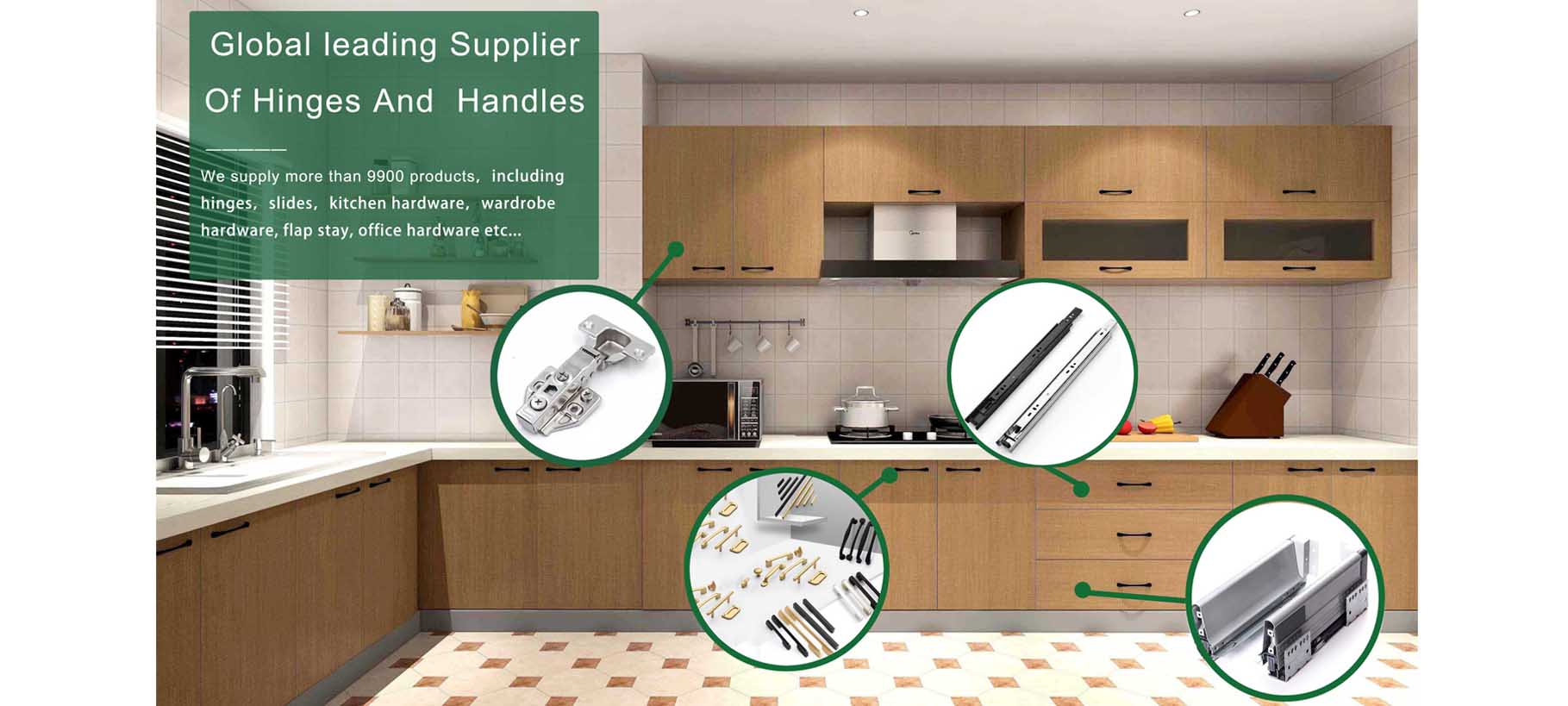
Established in 2011, Guangzhou Jarkul Hardware Co., Ltd. operates as a comprehensive integration of product development, engineering research, production coordination, sales operations, and global container logistics. We specialize in developing and manufacturing superior furniture hardware and door systems, covering concealed hinges, ball bearing drawer slides, tandem box systems, aluminum profile handles, furniture locks, gas springs, and architectural sliding door damper roller systems.
Operating under our steadfast principle of "the first principle of good faith", we deliver superior products, highly competitive factory direct pricing, and comprehensive after-sales technical support. Our products are actively imported across more than 30 countries and regions worldwide—including the UAE (Dubai), Saudi Arabia, Kuwait, Egypt, India, Pakistan, Malaysia, the Philippines, the Maldives, South Africa, Trinidad and Tobago, Canada, the United States, the United Kingdom, and Uruguay.
Frequently Asked Questions by Global Buyers
Addressing the core technical, logistical, and commercial inquiries fielded by our engineering sales team.
Pneumatic dampers compress ambient air and rely on spring rebound, making them cost-effective for lightweight interior panels (under 30kg). However, they are sensitive to temperature shifts and can exhibit a springy bounce. Hydraulic oil dampers utilize viscous silicone or petroleum-based hydraulic fluid metered through calibrated internal orifice valves. This produces progressive, uniform deceleration without bounce-back, maintaining consistent operating dynamics across door weights ranging from 40kg to 120kg.
Bidirectional soft-close systems install dual hydraulic damper assemblies either mounted symmetrically within the top extrusion profile or built directly into opposite ends of the carriage housing. As the door travels towards full extension or full retraction, independent trigger activator pins engage the catch mechanism, ensuring controlled deceleration during both the opening and closing cycles.
Precision-machined Polyoxymethylene (POM, commonly known as acetal or Delrin) paired with sealed ABEC-5 carbon steel or chrome steel ball bearings represents the global standard. POM delivers high tensile strength, outstanding dimensional stability, self-lubricating characteristics, and natural sound dampening (below 25 dB) without flat-spotting under sustained static loads.
Yes. Through our OEM and ODM engineering capabilities, Guangzhou Jarkul Hardware Co., Ltd. calibrates damper cylinder chamber diameters, hydraulic fluid viscosity ratings, and high-tensile spring rates to meet specific door panel weight categories: 20-40kg, 40-80kg, and heavy-duty 80-120kg architectural configurations.
Our sliding door damper roller systems undergo rigorous testing according to ANSI/BHMA A156.14 and EN 1527 standards. This includes dynamic cyclic endurance testing exceeding 50,000 to 100,000 cycles, static load testing at 1.5x rated capacity, and neutral salt spray (NSS) corrosion testing up to 72-96 hours for all zinc-alloy and electroplated carbon steel components.
Guangzhou Jarkul Hardware Co., Ltd. provides flexible commercial terms including FOB (Guangzhou, Shenzhen, Foshan ports), CIF, and EXW terms. We accept T/T, L/C at sight, D/P, D/A, Western Union, and PayPal, supporting settlement in USD, EUR, and CNY. Additionally, we provide mixed-container consolidation services, allowing overseas importers to combine sliding door damper roller systems with our concealed cabinet hinges, drawer slides, cabinet handles, and gas springs in a single 20GP or 40HQ container.
Initiate an Engineering Consultation or Request Sample Units
Speak directly with our technical team in Guangzhou to review drawings, evaluate damper performance ratings, or configure custom OEM branding and packaging.