Precision Architectural Hardware & Concealed Systems
Precision-tested functional fittings engineered for microclimatic endurance, load integrity, and seamless integration into sacred, governmental, and administrative joinery.
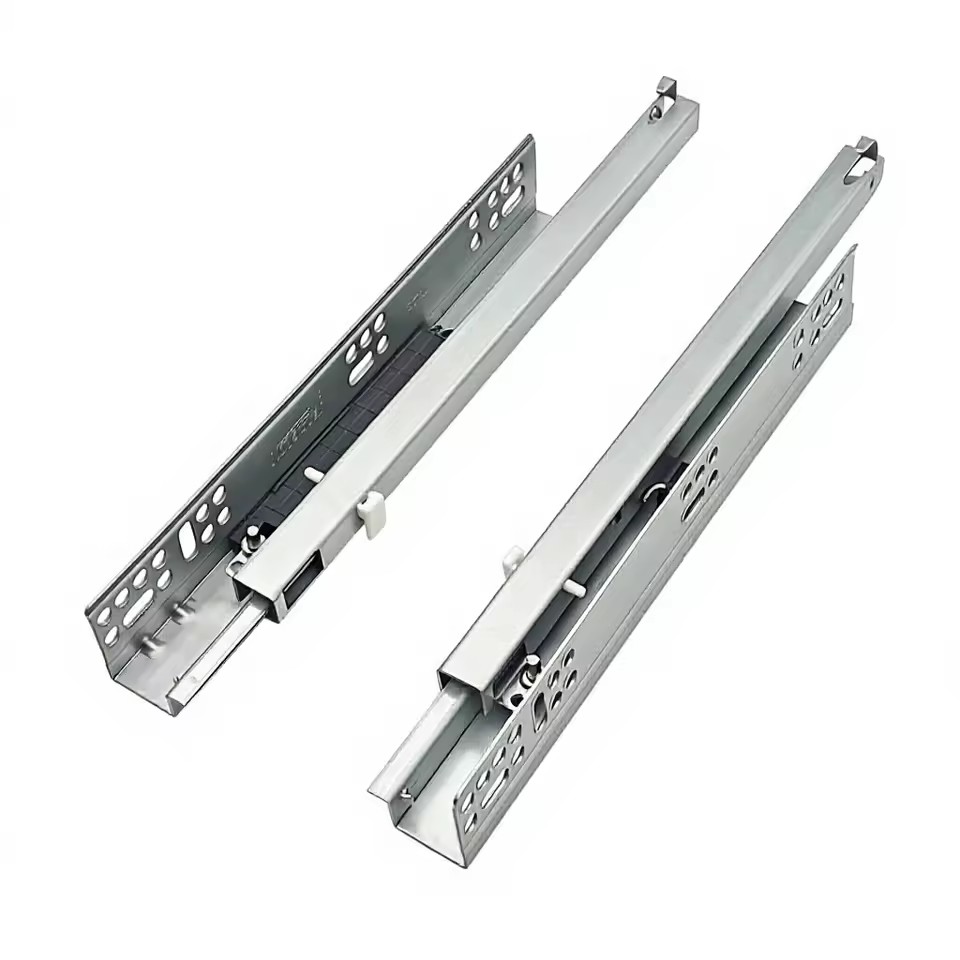
Modern Steel Drawer Bottom Mount Slide Silent Hidden Sliding Rail Guide
- Mounting: Concealed Undermount
- Action: Synchronized Silent Glide
- Application: Sacristy & Curia Archive
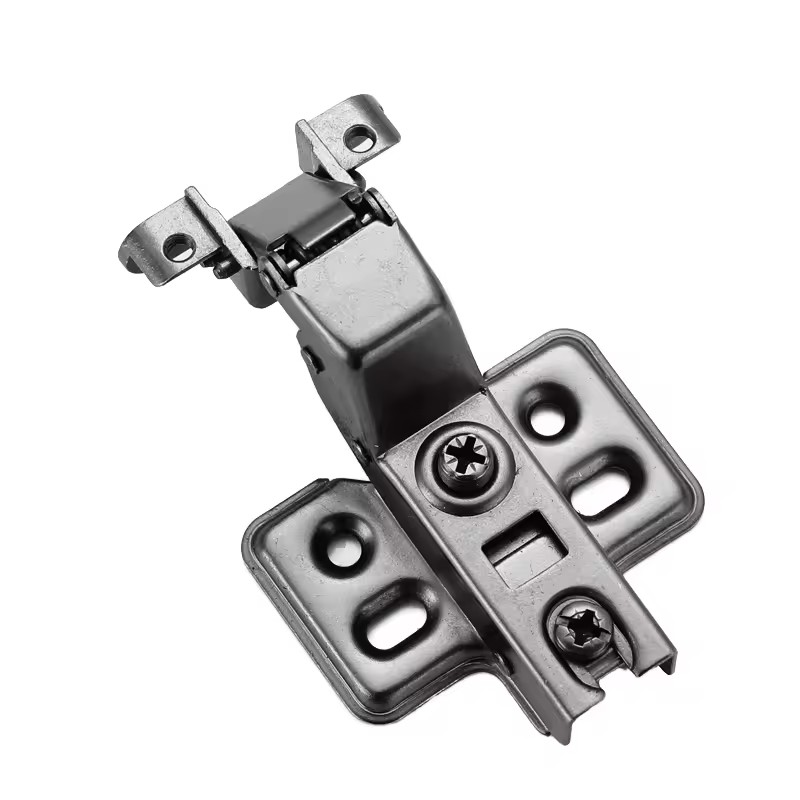
Soft Close Full Overlay Cabinet Hinge Hydraulic Silent 35mm Cup
- Cup Size: Ø35mm Standard Bore
- Damping: Integrated Fluid Buffer
- Overlay: Full Overlay Surface Mount
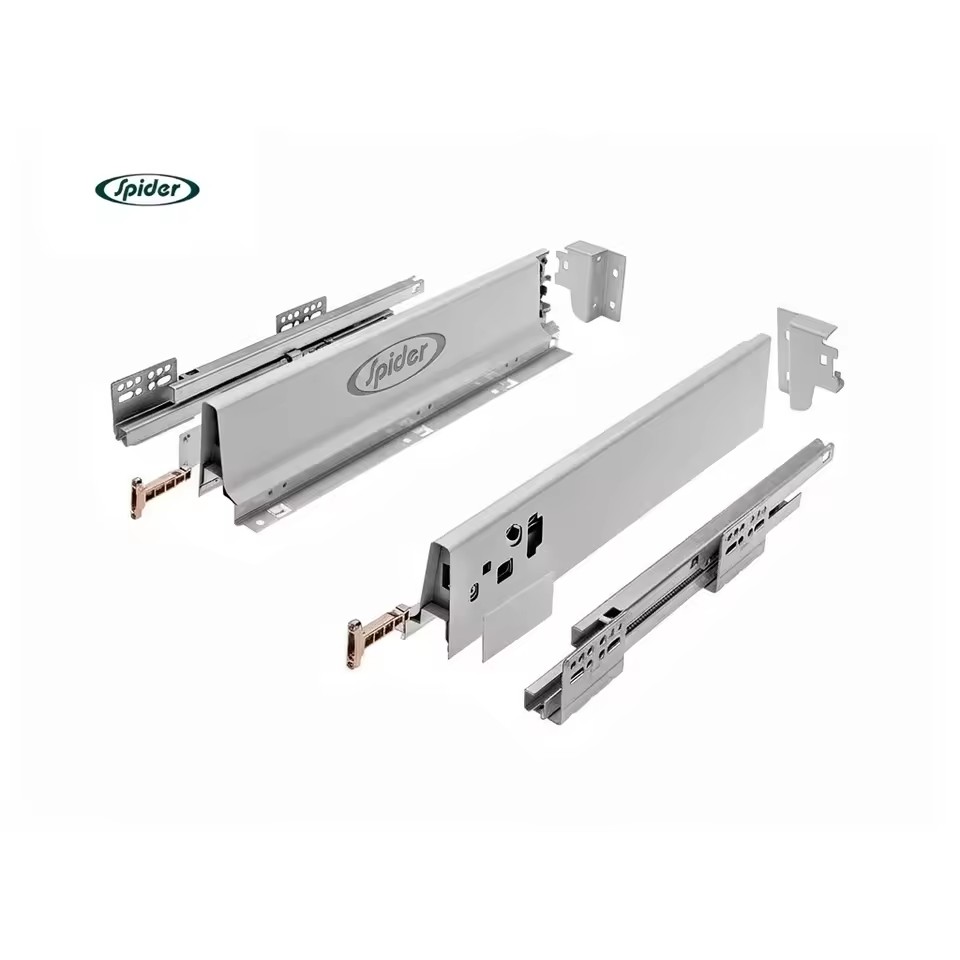
40KG Capacity Synchronized Modern Box Drawer System 18-Inch
- Payload: 40 kg Dynamic Load
- Length: 450mm (18-Inch)
- Mechanism: Rack Synchronized
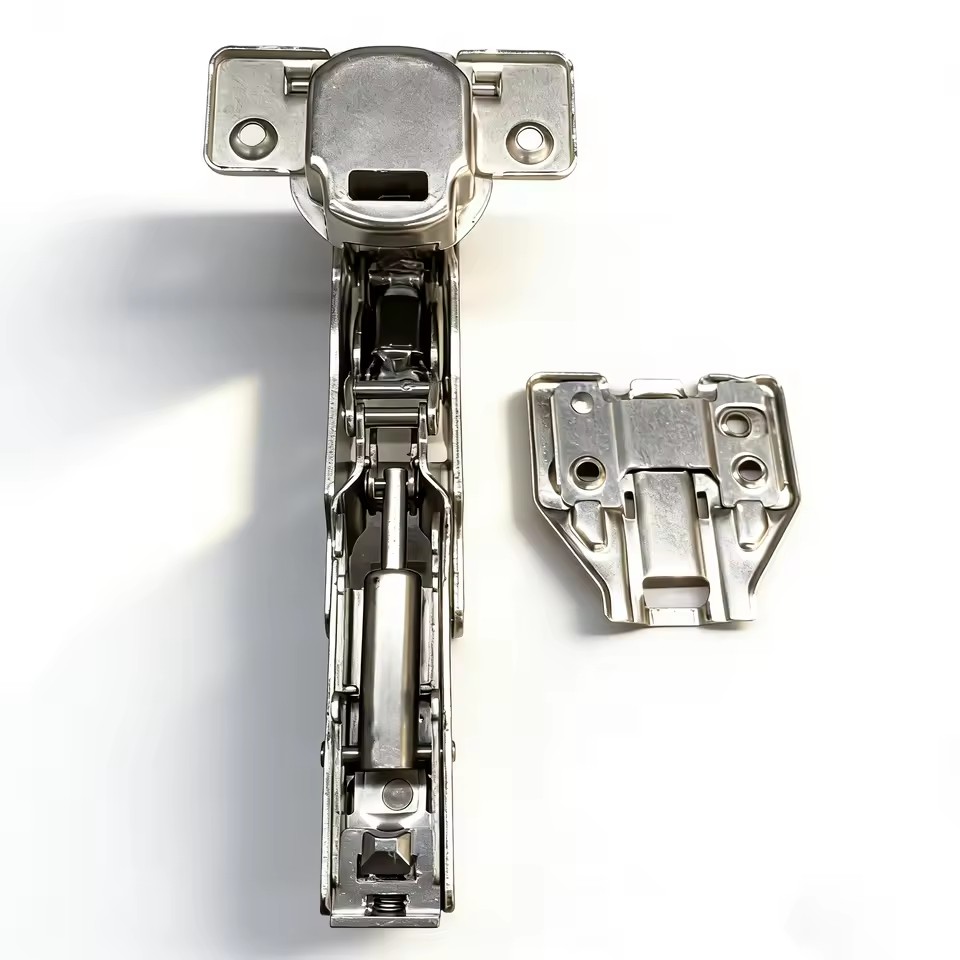
SPIDER 165° Multi-Function Large Angle Hydraulic Soft-Close Hinge
- Swing Angle: 165-Degree Full Clearance
- Mechanism: Multi-Pivot Clip-On Arm
- Duty: Zero-Protrusion Drawers
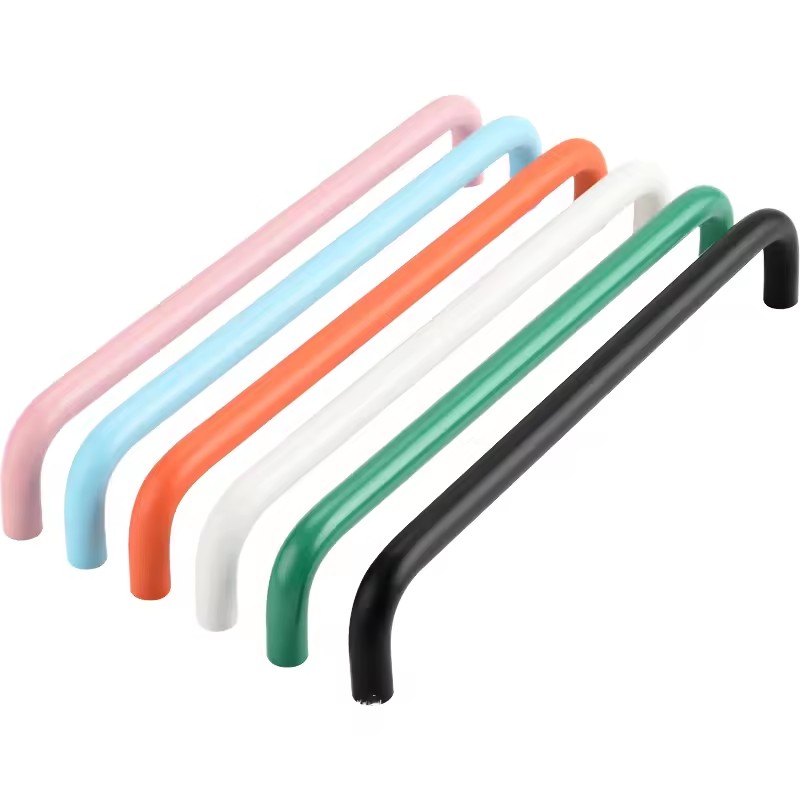
Industrial Heavy Duty Oval U-Shape Pull Handle M8 180mm
- Thread: Metric M8 Internal Bore
- Pitch CC: 180mm Distance
- Durability: High Torque & Wear Proof
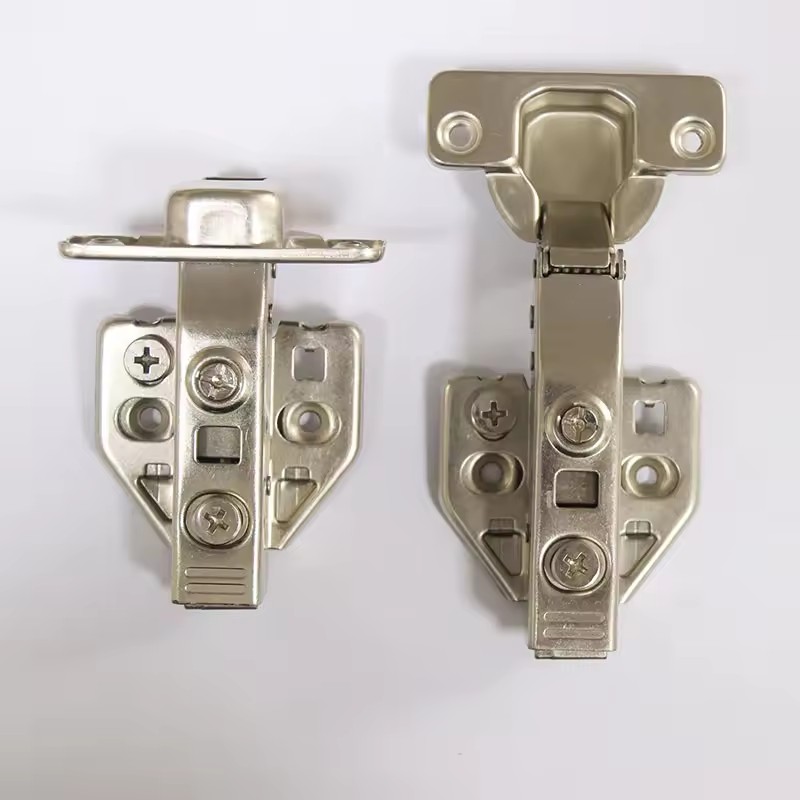
3D Adjustable Detachable Hydraulic Soft-Close Cabinet Hinge
- Adjustment: 3D Cam In-Out / Height
- Installation: Tool-Free Clip-on Base
- Material: Cold-Rolled Carbon Steel
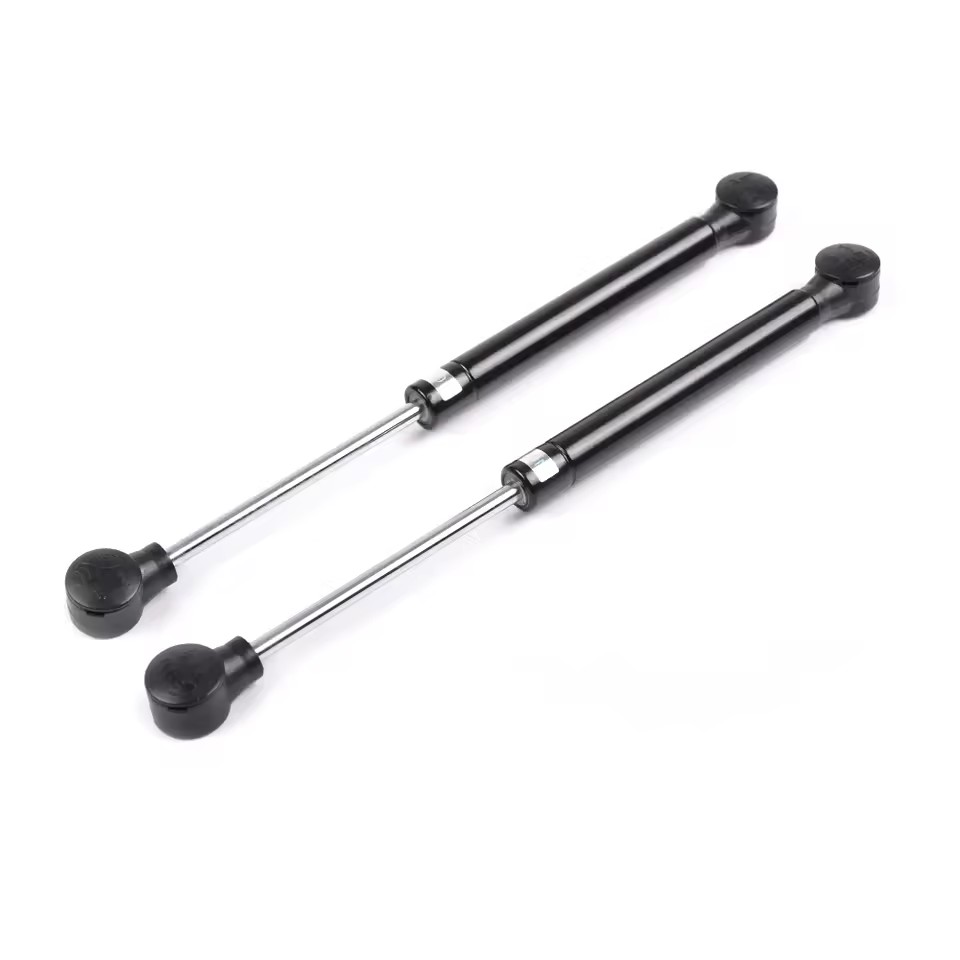
Precision Nitrogen Gas Spring Damper for Overhead Cabinet Doors
- Pressure: 80N to 150N Calibrated
- Coating: Hard Chromium Piston
- Action: Multi-Stop Soft Return
Custom Architectural Anodized Aluminium Edge Sealing System
- Finish: 15µm Deep Satin Anodize
- Profile: Concealed Edge Protection
- Resistance: Anti-Oxidation Seal
High-Pressure Die-Cast Zamak Alloys: The Metallurgical Paradigm for Vatican City Architectural Hardware
The sovereign territory of Vatican City (Stato della Città del Vaticano) represents the densest concentration of historic archives, ecclesiastical administrative halls, curatorial conservation workshops, and sacred heritage architecture in the Western world. When procuring decorative and functional architectural hardware—chiefly furniture handles, drawer pulls, escutcheon plates, and cabinet grips—ecclesiastical procurement managers, restoration architects, and appointed Italian contractor firms operate under extraordinarily strict physical constraints. Unlike high-turnover residential developments, Vatican installations require hardware systems characterized by microscopic dimensional tolerance, zero toxic off-gassing, exceptional galvanic neutrality against ancient hardwood substrates, and surface finishes that echo centuries of religious art without suffering rapid patina degradation.
As an established global manufacturer and direct exporter, Guangzhou Jarkul Hardware Co., Ltd. supplies precision hot-chamber die-cast Zamak 3 and Zamak 5 zinc alloys engineered to meet these rigorous institutional requirements. Zinc alloy architectural handles provide a distinct technical advantage over ordinary stamped sheet metals or sand-cast brass: high-pressure die casting allows intricate historical reliefs, heraldic cartouches, ergonomic architectural bevels, and micro-fluted textures to be reproduced with repeatable accuracy down to ±0.02 mm.
1. The Chemistry of Preservation: Zamak 3 vs. Zamak 5 in Microclimates
Within sovereign Vatican institutions—such as the Archivum Apostolicum Vaticanum (Vatican Apostolic Archives), the Biblioteca Apostolica Vaticana, and the various dicasteries of the Roman Curia—interior microclimates are strictly monitored for relative humidity (RH 45–55%) and temperature (18–21°C). Hardware deployed in these settings cannot release volatile organic compounds (VOCs) or sulfur-reactive vapors that could damage parchment, tempera paintings, or delicate archival paper.
Our foundry utilizes strictly virgin Zamak ingots complying with European standard EN 12844. Zamak 3 offers superior ductility and continuous dimensional stability, preventing stress-cracking over decades of continuous operation. Where higher mechanical shear strength and surface hardness are required—such as heavy sacristy chasuble drawer pulls or oversized credenza doors—Zamak 5 is implemented, bolstered by its 1% copper content. This delivers a tensile strength of 330 MPa and a Brinell hardness of 91 HB, exceeding conventional aluminum extrusions and matching forged brass at significantly tighter dimensional tolerances.
| Alloy Grade | Compositional Purity | Tensile Strength (MPa) | Hardness (Brinell) | Recommended Vatican Architectural Application |
|---|---|---|---|---|
| Zamak 3 (ZP0400) | 96% Zn, 4% Al, 0.04% Mg | 283 MPa | 82 HB | Archival display vitrines, library catalog pull-rings, fine filigree cabinet knobs |
| Zamak 5 (ZP0410) | 95% Zn, 4% Al, 1% Cu, 0.04% Mg | 331 MPa | 91 HB | Heavy sacristy vestment drawers, administrative dicastery file credenzas |
| Cold-Rolled SPCC | Carbon Steel Substrate | 370 MPa | 105 HB | Concealed hydraulic slide runners, 3D mounting brackets, reinforcing chassis |
| 6063-T5 Aluminium | Mg-Si Alloy Structural Profile | 215 MPa | 75 HB | Edge-sealing frame models, linear continuous pull-channels for modern office suites |
2. Surface Finishing Science: Neutralizing Galvanic Corrosion and Off-Gassing
A frequent failure mode in historic furniture restorations across central Rome and Vatican City is the chemical incompatibility between acidic wood tannins (notably from ancient Italian walnut, Slavonian oak, and chestnut) and inferior zinc hardware. Unsealed zinc exposed to volatile acetic and formic acids emitted by seasoned hardwoods develops white zinc hydroxide bloom ("zinc rot"), compromising both aesthetics and structural threads.
To prevent this degradation, Jarkul Hardware applies a multi-tier electroplating and passivation procedure designed to surpass UNI EN 1670 Grade 4 corrosion benchmarks (240 hours neutral salt spray testing):
- Copper Strike (8–12 µm): Forms an impermeable barrier layer that seals microscopic die porosity and equalizes electrical potential across complex geometries.
- Acid Copper Leveling (10–15 µm): Creates a mirror-smooth micro-crystalline foundation that eliminates pinholes.
- Bright Nickel or Satin Nickel Intermediary (12–15 µm): Imparts exceptional micro-hardness and cathodic scratch defense.
- Architectural Noble Topcoats: Electrodeposited finishes including Antiqued Florentine Bronze (Bronzo Anticato), Liturgical Gilt Brass, Matte Basalt Black, and PVD Titanium Champagne Gold.
- Cross-Linked Nano-Ceramic Sealant: A baked thermoset electro-polymeric coat guaranteeing zero direct metal-to-tannin contact and absolute volatile neutrality in archival storage microclimates.
Zero-Tolerance Metallurgical Purity
Every casting batch uses verified Zamak ingots with lead (Pb < 0.005%) and cadmium (Cd < 0.003%) thresholds strictly compliant with EU RoHS and REACH mandates.
Consolidated Container Logistics
Direct supply capability pairing decorative Zamak handles with heavy hydraulic slides, soft-close hinges, and gas springs in unified FOB/CIF consolidated shipments.
Documented Third-Party Testing
Certified SGS tensile testing, metallurgical spectroscopy analysis, and cycle durability reports verifying >50,000 smooth dynamic operations for all moving sub-assemblies.
Precision Applications Across Sovereign Vatican Architectural Typologies
Hardware exported for the Vatican City territory does not operate in homogeneous modern high-rises. Instead, components are specified for distinct interior zones, each presenting unique mechanical loads, historic preservation mandates, and aesthetic expectations:
1. The Apostolic Palaces and Dicastery Administrative Offices
Administrative headquarters within the Palazzo Apostolico, the Secretariat of State, and regional Pontifical Councils require furniture hardware that blends visual solemnity with continuous utilitarian reliability. Here, executive filing consoles, document cabinets, and solid-core walnut credenzas utilize our Florentine Antique Bronze Zinc Alloy Pull Handles paired with 3-Fold 45mm Cold-Rolled Steel Telescopic Soft-Closing Slides. The high load-bearing capacity (tested to 45 kg dynamic payload) prevents drawer sagging even when filled with dense legal archives, while fluid-hydraulic buffers ensure completely silent closure, maintaining the quiet dignity of official chambers.
2. Archival Facilities & Curatorial Conservation Laboratories
In conservation suites such as the laboratories of the Vatican Museums and the specialized storage vaults of the Vatican Apostolic Library, volatile chemical emissions are intolerable. Here, custom zinc alloy handles finished in sealed galvanic nickel are installed alongside our Synchronized Concealed Undermount Drawer Runners. Because undermount runners place the dynamic mechanical gearing beneath the solid timber drawer box rather than on the sides, sensitive document edges never encounter lubricating greases or rail particulates.
3. Ecclesiastical Vestment Cabinets & Sacristy Joinery
Sacristies in St. Peter's Basilica and adjacent chapels feature massive timber furniture specifically designed to store heavy historical liturgical garments, gold and silver chalices, and altar linens. Drawers in these historical vestment presses often span widths exceeding 1,200 mm. For these oversized drawers, standard residential fittings are inadequate. Our engineers configure heavy-duty tandem box drawer systems integrated with SPIDER 165° Multi-Pivot Wide-Angle Concealed Hinges. This hinge mechanism allows adjacent cabinet doors to clear the opening entirely, granting unhindered horizontal extraction of delicate liturgical textiles without risk of snagging.
4. Sovereign Residential Quarters & Pontifical Swiss Guard Barracks
Residential quarters—including the Domus Sanctae Marthae, clerical apartments, and the logistical facilities of the Pontifical Swiss Guard—require modern, durable, and easily maintainable interior fixtures. For residential renovations and modular kitchenettes, our 3D Adjustable Fast-Installation Detachable Hydraulic Hinges permit millimetric alignment of cabinet fronts even when historic masonry walls display structural settlement deviations of several degrees.
Emerging Procurement & Architectural Trends in the Vatican Enclave
Understanding the future evolution of Vatican City procurement allows institutional buyers and authorized Italian contractors to specify hardware that remains serviceable for decades:
Trend 1: Reversible Architectural Intervention Standards
Under the supervision of the Commissione Permanente per la Tutela dei Monumenti Storici ed Artistici della Santa Sede, modern architectural modifications must honor the principle of "reversibility." Permanent woodwork modifications must be minimized. Our zinc alloy handles are engineered to universal center-to-center drilling standards (32mm modular system: 96mm, 128mm, 160mm, 192mm, 320mm), allowing retrofitting into existing screw bores without structural timber mortising or drilling new holes into historical framework.
Trend 2: Acoustic Dampening in High-Reverberance Stone Halls
Vatican interiors are characterized by vaulted ceilings, marble cladding, and monumental stone floors that magnify acoustic vibrations. Echoing drawer slams and rattling cabinet doors disrupt the liturgical and administrative atmosphere. Consequently, technical specifications from Vatican facilities teams now mandate hydraulic dampening across all operational fittings. Our integrated fluid dampers utilize high-viscosity synthetic silicone oils that operate smoothly across ambient fluctuations from 0°C to 45°C without leaking or stiffening.
Trend 3: Hybrid Material Aesthetic Integration
Modern interior updates in sovereign administrative buildings are increasingly pairing warm natural woods with minimalist metal profiles. Jarkul's Custom Anodized Aluminium Edge Sealing Models, paired with geometric Zamak flush-pull grips in matte finishes, deliver clean lines while offering superior edge-impact resistance for heavy daily traffic.
Guangzhou Jarkul Hardware Co., Ltd.: Global Capabilities, Verified Heritage
Founded in 2011, Guangzhou Jarkul Hardware Co., Ltd. has grown into an international manufacturing and supply leader for architectural and furniture hardware. Serving professional importers, commercial contractors, and joinery manufacturers across more than 30 countries and territories, Jarkul operates on a philosophy of transparent specifications, robust engineering, and complete B2B accountability.
Our operational capabilities directly address the exacting logistics of European and Holy See institutional contracts:
- 15-Year Verified Alibaba Record: Audited onsite by world-leading inspection bodies, confirming manufacturing infrastructure, automated casting lines, and clean assembly facilities.
- Integrated Product Consolidation: We eliminate fragmented sourcing by producing and bundling concealed hinges, heavy-duty drawer slides, decorative zinc handles, gas struts, and precision locks into single consolidated shipments.
- Rigorous In-House Testing Laboratory: Continuous automated cycle testing (50,000 to 80,000 cycles under load), multi-axis salt spray chambers for electroplating verification, and optical spectrometer testing for zinc alloy purity.
- OEM / ODM Bespoke Capability: Full in-house tooling and die-casting development. We convert technical architectural blueprints into production-ready Zamak dies in 25–30 days, complete with custom heraldic insignias, private-label packaging, and specified architectural finishes.
- Flexible Trade and Delivery Terms: Seamless execution under EXW, FOB (Guangzhou / Shenzhen / Hong Kong), and CIF (Genoa / Civitavecchia / Naples), facilitating customs clearance for Vatican-destined cargo handled through Rome logistical hubs.
Frequently Asked Questions for Vatican City Hardware Procurement
Clear answers to technical, regulatory, and logistical inquiries commonly raised by ecclesiastical purchasers, historic preservation architects, and importing contractors.
How are customs clearances and deliveries handled for the sovereign Vatican enclave?
As Vatican City is a sovereign enclave surrounded by Rome, goods are typically imported through Italian ports of entry (such as the Port of Civitavecchia or Rome Fiumicino Airport). Jarkul delivers shipments under CIF or DAP terms through bonded logistical carriers coordinated directly with your Italian freight forwarder or appointed Vatican logistics agents, providing full commercial invoices, packing lists, and certificates of origin for customs clearance.
Can you manufacture custom zinc handles featuring heraldic crests or historic reliefs?
Yes. Our complete OEM/ODM die-casting facility creates custom tooling from your CAD files, sketches, or physical wax casts. We routinely produce custom decorative hardware bearing raised coats of arms, diocesan seals, or historical architectural profiles, finishing them in durable antique brass, bronze, or gilded coatings.
Are Jarkul hardware finishes compliant with archival emission and non-off-gassing rules?
Absolutely. Our architectural zinc alloy handles undergo high-temperature thermoset curing with zero-VOC clear sealants. They are thoroughly tested against organic acid corrosion and emit no volatile compounds, making them completely safe for display cases, library drawers, and archival vaults housing sensitive artifacts.
What is the minimum order quantity (MOQ) for institutional architectural projects?
For standard catalog handles and functional hardware (such as 35mm concealed hinges or telescopic slides), we support trial and restoration batches starting from manageable carton quantities. Custom bespoke die-castings typically require an MOQ of 1,000–3,000 pieces depending on part dimensions to amortize precision mold setup.
Can we consolidate different types of hardware into a single shipment?
Yes. Many institutional buyers combine decorative Zamak handles, silent undermount drawer runners, 165° wide-angle hinges, and nitrogen gas dampers in one container. This consolidation significantly lowers freight costs and streamlines installation schedules.
Do you provide certified third-party testing reports prior to container dispatch?
Yes. Comprehensive SGS test reports, salt-spray plating endurance documentation, and load-cycle mechanical verifications can be provided with every bulk order. Buyers are also welcome to appoint independent European inspection agencies to audit consignments prior to port loading.