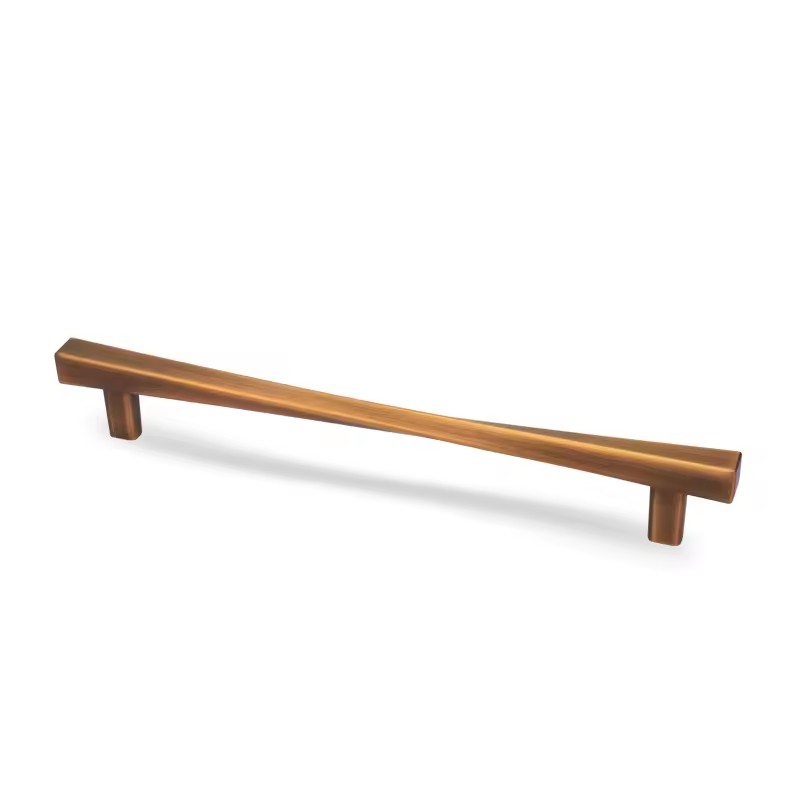
Featured Export Catalog
Core Hardware Portfolio for Korean Furniture Manufacturers
Tested for high-humidity resistance, cyclic durability, and seamless integration with modern Korean system kitchens, modular wardrobes, and residential architectural developments.
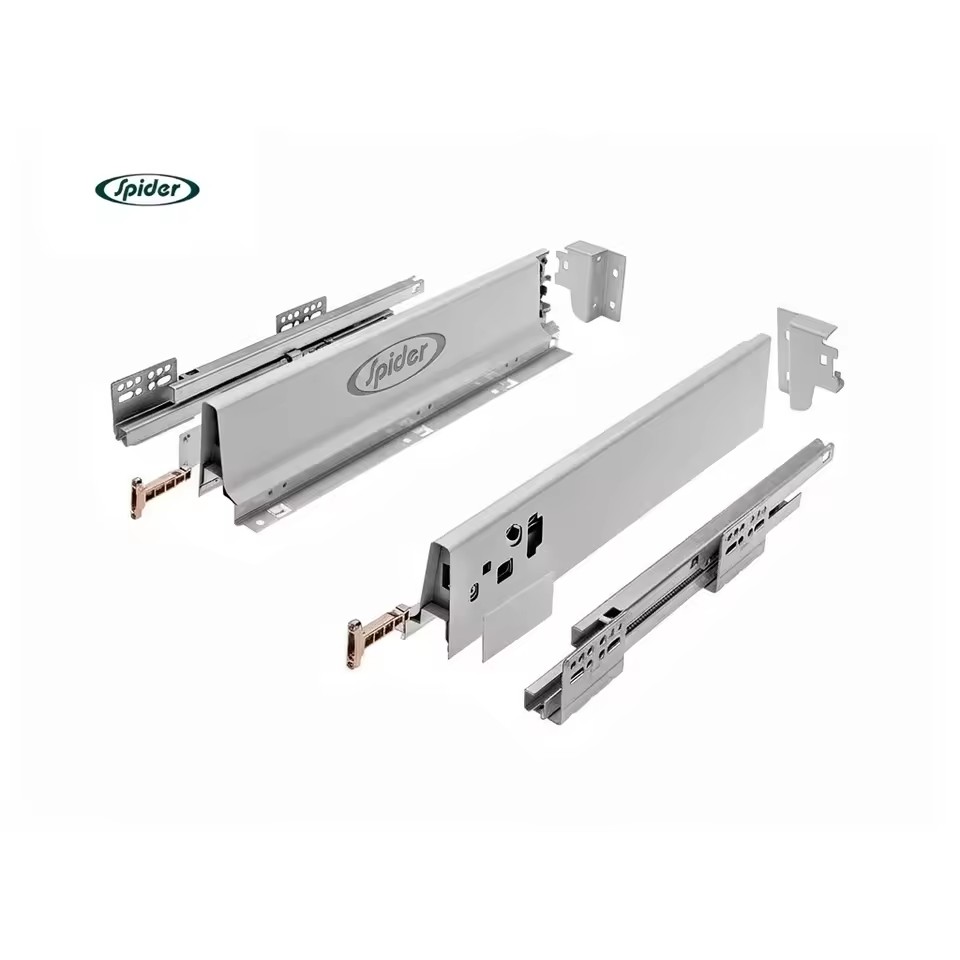
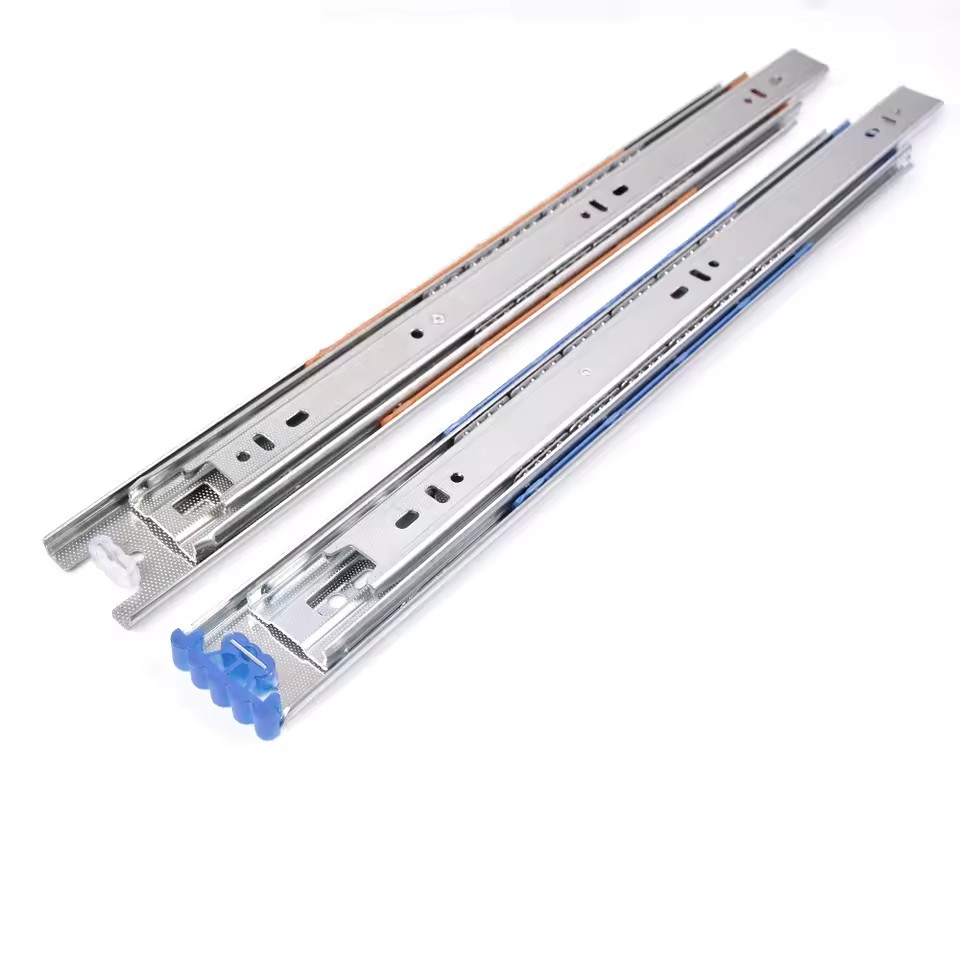
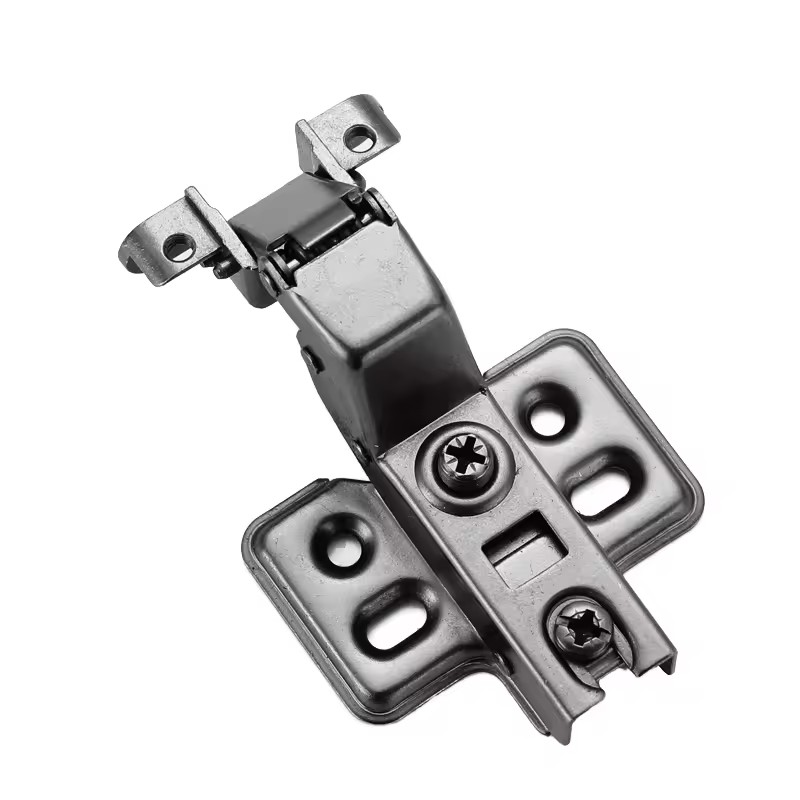
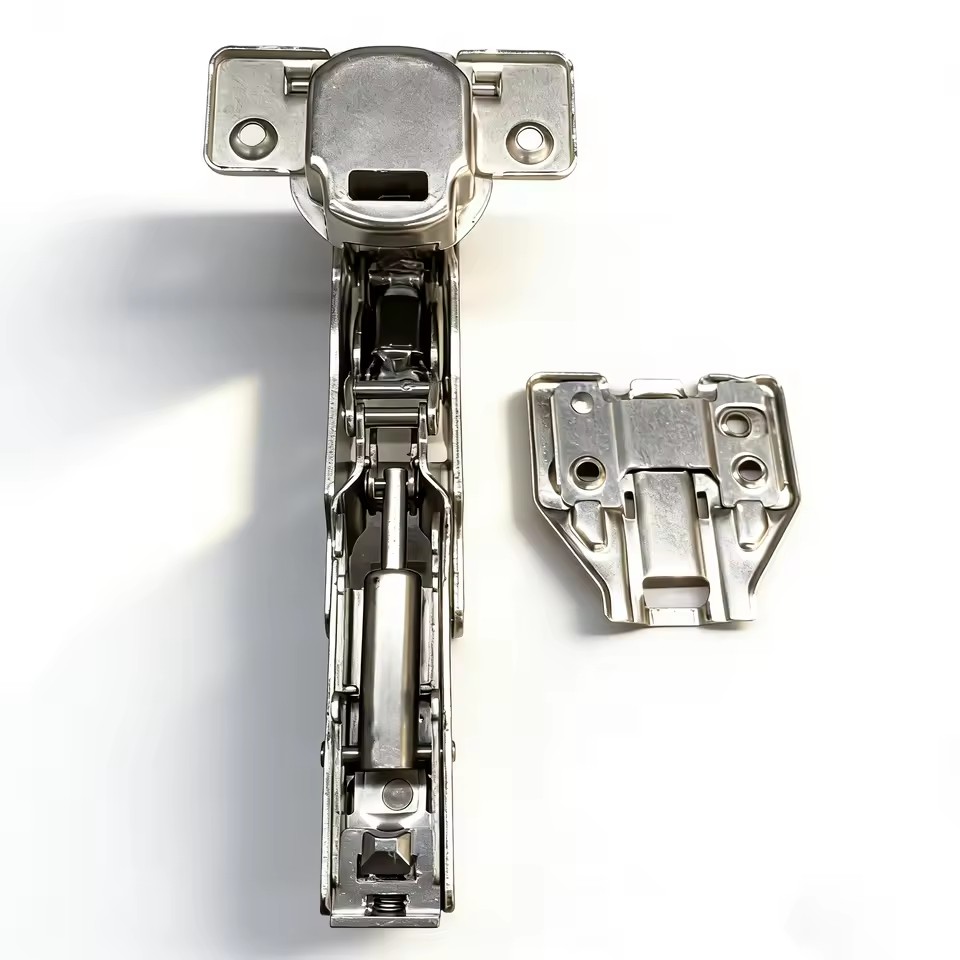
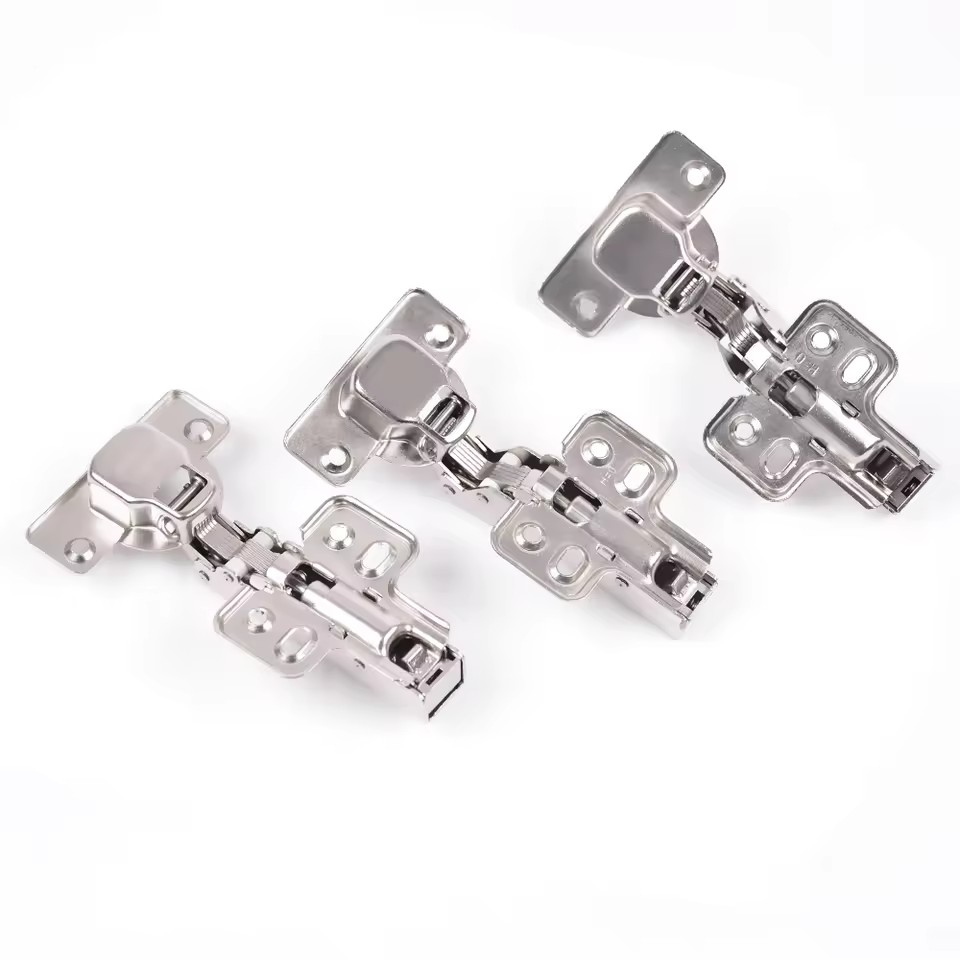
15+
Years Verified OEM/ODM Precision Manufacturing
≤2h
Fast Response Time for Drawings & Quotations
97.3%
Verified In-Time Delivery & Service Response Rate
30+
Countries & Tier-1 Construction Projects Supplied
Engineering Excellence: Zinc Alloy Furniture Pulls for South Korea's Demanding Built-In Market
The South Korean furniture manufacturing and interior architecture sectors operate under some of the most rigorous technical standards and refined design aesthetics in the Asia-Pacific region. Driven by large-scale apartment complexes (such as those developed by Hyundai E&C, Samsung C&T, GS E&C, and DL E&C) and leading residential brand ecosystems like Hanssem, Enex, Livart, and Illoom, the demand for high-integrity architectural furniture hardware has evolved dramatically. Among diverse alloy solutions, zinc alloy furniture pulls (Zamak 3 and Zamak 5 die-casting) represent the gold standard in premium cabinetry, combining geometric freedom, high tensile strength, and superior electroplating receptivity that exceeds cold-formed sheet steel or hollow extruded aluminium profiles.
Guangzhou Jarkul Hardware Co., Ltd. serves as an integrated OEM/ODM manufacturing powerhouse, bridging specialized Guangdong die-casting foundries with Korean brand distributors, contract joinery factories, and wholesale importers. Operating from Keda Industrial Park in Guangzhou, Jarkul provides high-precision Zamak furniture handles, soft-close hydraulic hinges, telescopic ball-bearing slides, and concealed runner systems that conform precisely to Korean Standard KS F 3117 (Fittings for Windows and Doors) and stringent international RoHS/REACH environmental mandates.
Material Science & Metallurgy: Why Zamak 3 and Zamak 5 Dominate Korean Specifications
In contemporary Korean interior design, handles and hardware accessories are no longer treated merely as utilitarian levers; they are tactile focal points where the resident interacts directly with the interior space. The choice of alloy determines structural longevity, anti-loosening torque resistance, and surface longevity under varied domestic microclimates—from the sub-zero winter heating dry spells (Ondol floor heating) to humid summer monsoon seasons in coastal hubs like Busan and Incheon.
| Alloy Parameter | Zamak 3 (High-Purity Zinc) | Zamak 5 (High-Strength Zinc) | Extruded Aluminium 6063 | Cast Solid Brass |
|---|---|---|---|---|
| Nominal Composition | Zn-4% Al, 0.04% Mg, Bal. High Purity Zn | Zn-4% Al, 1% Cu, 0.04% Mg, Bal. Zn | Al-0.7% Mg-0.4% Si | Cu 60%, Zn 40% |
| Tensile Strength (MPa) | 283 MPa | 328 MPa | 190–220 MPa | 310–350 MPa |
| Dimensional Stability | Exceptional (±0.02 mm tolerance) | High (Retains tapped thread torque) | Moderate (Prone to extrusion warp) | High |
| Plating / PVD Affinity | Flawless mirror & satin finishes | Exceptional electroplating base | Anodized only; limited plating | Natural polishing; expensive |
| Cost-to-Weight Ratio | Optimized for luxury mass production | Ideal for high-stress long pulls | Cost-effective but lightweight feel | Very high material procurement cost |
By utilizing cold-chamber and automated high-pressure hot-chamber die-casting machines with injection pressures exceeding 30–50 MPa, our Guangzhou foundry ensures absolute zero internal porosity. This eliminates structural micro-cavities that could otherwise cause outgassing during the multi-stage electroplating, electro-coating (cataphoresis), or vacuum Physical Vapor Deposition (PVD) cycles. The resulting pulls offer a solid, luxurious hand-feel that Korean consumers correlate directly with high-end residential brand value.
Localized Korean Application Scenarios & Design Paradigms
Supplying furniture hardware to the Korean peninsula requires an intimate understanding of Korean architectural typology, apartment layout floorplans, and institutional procurement cycles:
Large-Scale K-Apartment Built-Ins
Standardized residential developments in Seoul, Gyeonggi, and Sejong mandate flush-mounted, low-profile zinc alloy pulls for shoe storage towers, master bedroom walk-in closets, and hallway consoles. Handles must resist tens of thousands of dynamic cycles without loosening or rattling.
Modular System Kitchens (L-Shape & Island)
Moisture-heavy cooking environments demand superior corrosion resistance. Our multi-layer electroplated pulls (with acid copper strike, semi-bright nickel, satin nickel, and electrophoretic clear coat) withstand everyday cooking vapors, oils, and chemical detergents without discoloration.
Neo-Hanok & Modern Boutique Hospitality
Hybrid spaces blending traditional Korean wood aesthetics with minimalist industrial lines favor custom brushed matte finishes—Warm Brass, Hairline Nickel, and Deep Gunmetal Pearl. Zinc alloy casting enables delicate geometric bevels that honor traditional proportions.
Emerging Architectural Trends in the South Korean Hardware Sector
B2B sourcing teams serving Korean furniture brands must align their product development pipelines with the following evolving architectural shifts:
- Ultra-Minimalist Profile & Finger-Pull Transition: While fully handle-less push-to-open cabinets experienced an initial surge, market feedback revealed consumer fatigue regarding surface fingerprint smudge marks on super-matte PET/LPM cabinet facades. As a result, the market has pivoted toward recessed edge pulls, lip profiles, and micro-knurled zinc bar handles that maintain a clean silhouette while preserving ergonomic convenience.
- Antibacterial & PVD Surface Treatments: Post-pandemic hygiene consciousness remains exceptionally high in South Korea. Jarkul provides specialized ion-deposited anti-fingerprint (AF) coatings and inorganic antibacterial copper/silver-doped finishes that comply with strict consumer health expectations in multi-family housing.
- Unified Hardware Finishes Across Components: Korean interior designers increasingly demand holistic hardware palettes where cabinet pulls, door hinges, drawer tandem sides, and sliding wardrobe tracks share an identical tonal finish (such as Champagne Matte Nickel, Brushed Graphite Black, or Soft Satin Gold). Jarkul’s full-series manufacturing capability ensures perfect color-matching across disparate alloy substrates.
Strategic Sourcing Advantage for Korean Tier-1 B2B Importers: Under the China-Korea Free Trade Agreement (CKFTA) and the Regional Comprehensive Economic Partnership (RCEP), Chinese furniture hardware items classified under HS Codes 8302.42.00 (Base metal mountings, fittings for furniture) and 8302.10.00 (Hinges) qualify for preferential zero-duty or substantially phased-down tariff regimes upon submission of valid Certificates of Origin (Form K or Form RCEP). This gives direct factory buyers a significant landed-cost advantage over fragmented regional trading intermediaries.
Rigorous Quality Assurance: Meeting KS Standards & SGS Verification
Hardware imported into Korea must satisfy rigorous quality validation protocols prior to mass installation. Guangzhou Jarkul Hardware implements a 4-tier in-line Quality Assurance framework to guarantee flawless lot-to-lot consistency:
- Spectrographic Raw Ingot Verification: High-grade Zamak ingots (Zn99.995%) are analyzed before melting to prevent lead, cadmium, or tin contamination that causes intergranular corrosion (zinc pest).
- CMM & Thread-Gauge Inspection: Tapped M4 mounting screw holes are verified using optical CMM and go/no-go plug gauges to prevent site stripping during pneumatic screwdriving in automated furniture assembly lines.
- Neutral Salt Spray (NSS) & CASS Testing: Finish coatings undergo 96 to 240 hours of continuous Neutral Salt Spray testing (exceeding standard ASTM B117 and ISO 9227 criteria) with zero blistering, red rust, or pitting.
- Dynamic Lifecycle & Tensile Pull Load Checks: Handles are subjected to static pull loads in excess of 500 N and dynamic fatigue cycles over 50,000 actuations without deformation or thread extraction.
Comprehensive B2B Procurement FAQ for Korean Importers & Cabinet Makers
1. What specific testing certifications can you provide for Korean customs and construction compliance?
We provide comprehensive third-party SGS/TÜV test reports covering ASTM B117/ISO 9227 Neutral Salt Spray (NSS) corrosion resistance (96–240 hrs), RoHS hazardous substance restriction compliance, and tensile mechanical strength test data. For large apartment supply bids, we facilitate mill test certificates (MTC) and assist your customs broker in matching specifications against Korean Standard KS F 3117 guidelines.
2. What is the typical transit lead time from your Guangzhou facility to Busan or Incheon Port?
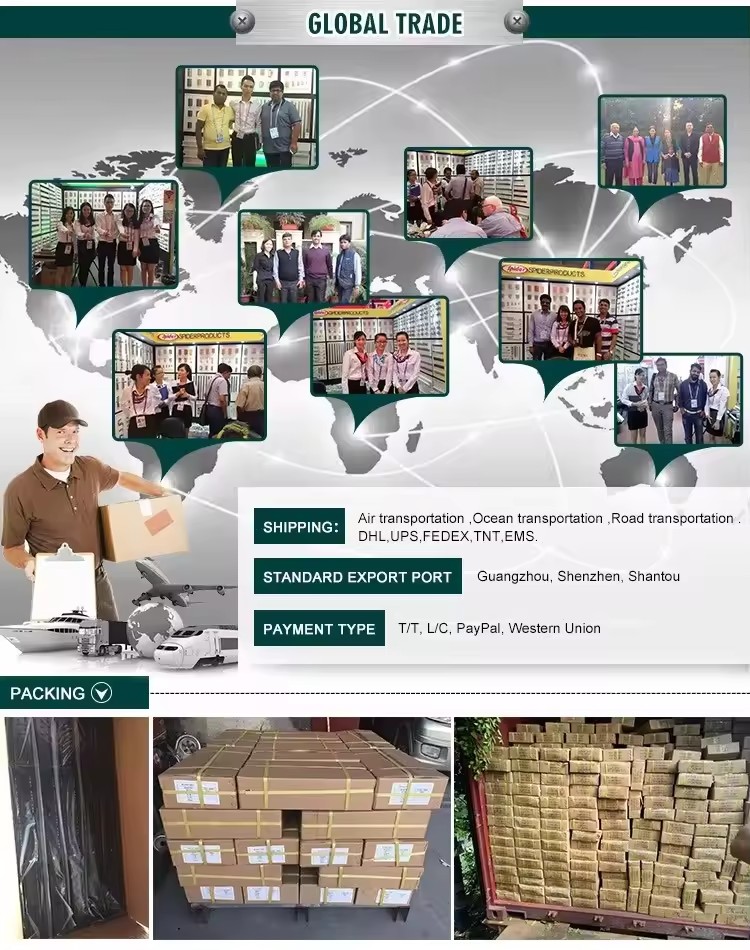
Shipping from Guangzhou / Nansha or Shenzhen / Yantian ports to Busan Port takes approximately 3 to 5 days on direct feeder and mother vessels. Incheon Port transit takes 4 to 6 days. Our export logistics desk coordinates container stuffing, fumigation, export customs clearances, and provides Bill of Lading, Packing List, Commercial Invoice, and China-Korea FTA Certificate of Origin (Form K) within 48 hours of vessel departure.
3. Can you manufacture custom zinc alloy pulls based on our CAD drawings or physical design samples?
Yes. Our internal engineering and tooling department provides rapid 3D prototyping (SLA/metal printing) within 72 hours. Custom die-casting tooling (hardened H13 steel molds) is completed within 20 to 25 business days, followed by sample sign-offs for center-to-center (CC) hole dimensions, draft angles, and specific electroplating tones before starting mass production runs.
4. What surface finishes are currently most in demand for the Korean residential market?
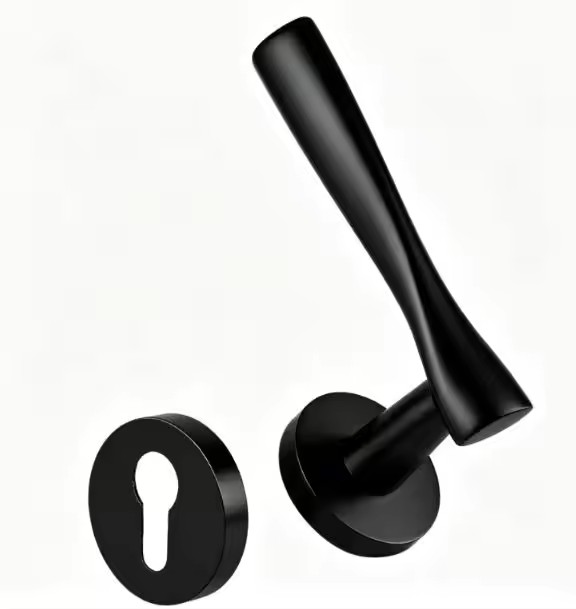
Currently, our most requested finishes for Korean importers are Matte Hairline Nickel (satin nickel with directional brushing), Pearl Gunmetal (dark electro-coating), Warm Champagne Gold (PVD finish), and Ultra-Matte Deep Black (electrophoretic coating). We can precisely match your master color swatches with Delta-E color variance under 0.8.
5. Do you accommodate mixed-container orders combining pulls, hinges, and drawer slides?
Absolutely. Over 91% of our manufacturing volume serves international container consolidation. Importers can combine zinc alloy pulls, soft-close 3D hydraulic hinges, 45mm ball-bearing slides, tandem box systems, and gas struts into a single 20ft or 40ft HQ container. This streamlines shipping costs and minimizes domestic inventory warehousing risks.
6. What are the standard MOQ requirements for catalog items versus bespoke OEM runs?
For standard production runs of existing handle models, MOQ begins at 1,000 pieces per size/finish. For custom die-cast tooling with private-label branding, customized color boxes, and individual protective polybags with breakable M4 screws, the typical MOQ is 3,000 to 5,000 pieces, with tooling amortizations negotiable based on annual volume commitments.