Extruded Alloy
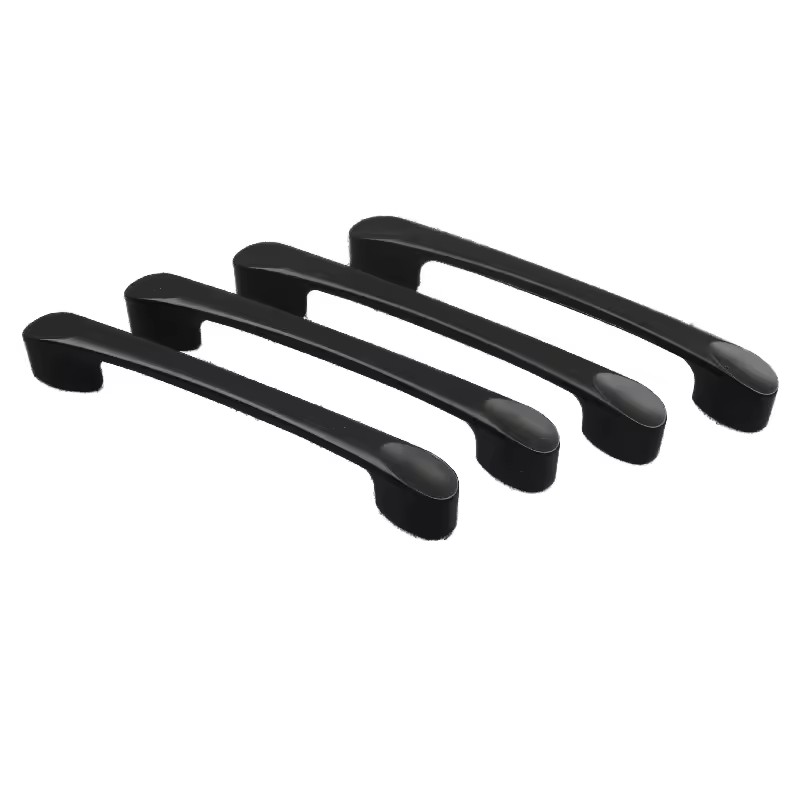
Manufactured under strict ISO9001 and DIN European load tolerances. Verified for marine humidity resistance and high cycle endurance across regional contracting frameworks.
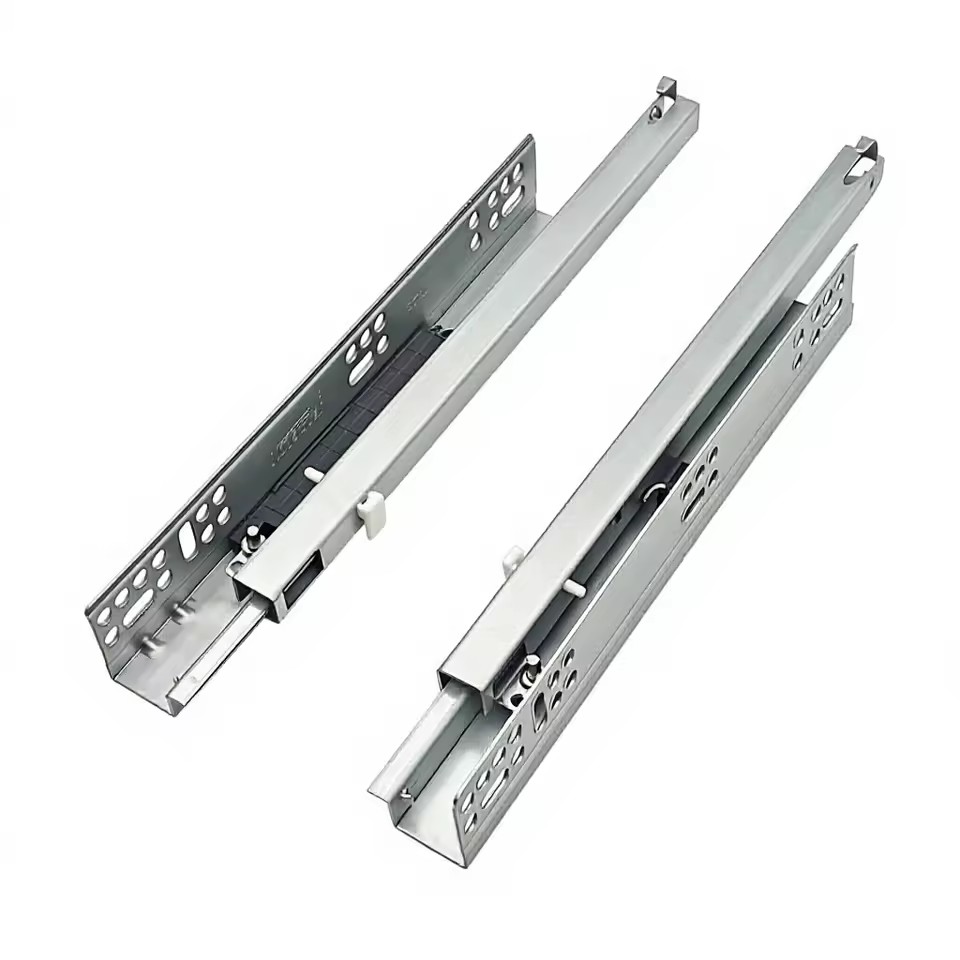
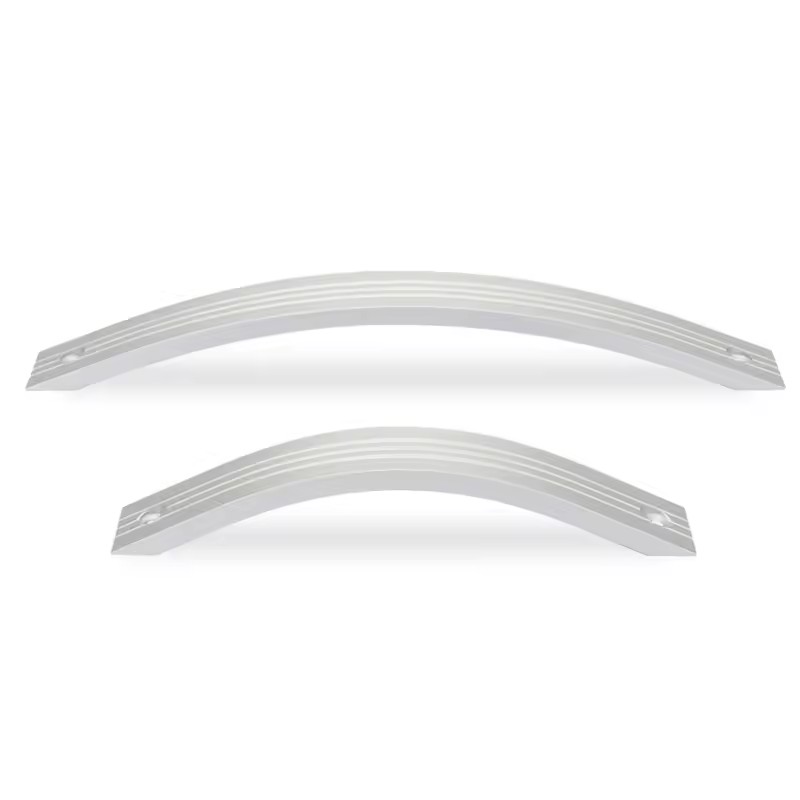
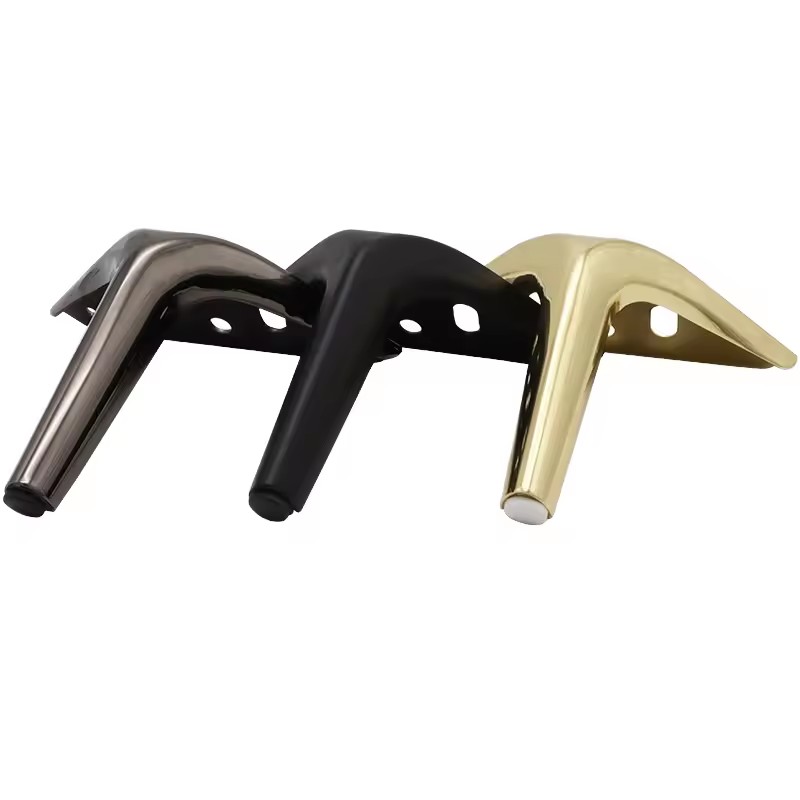
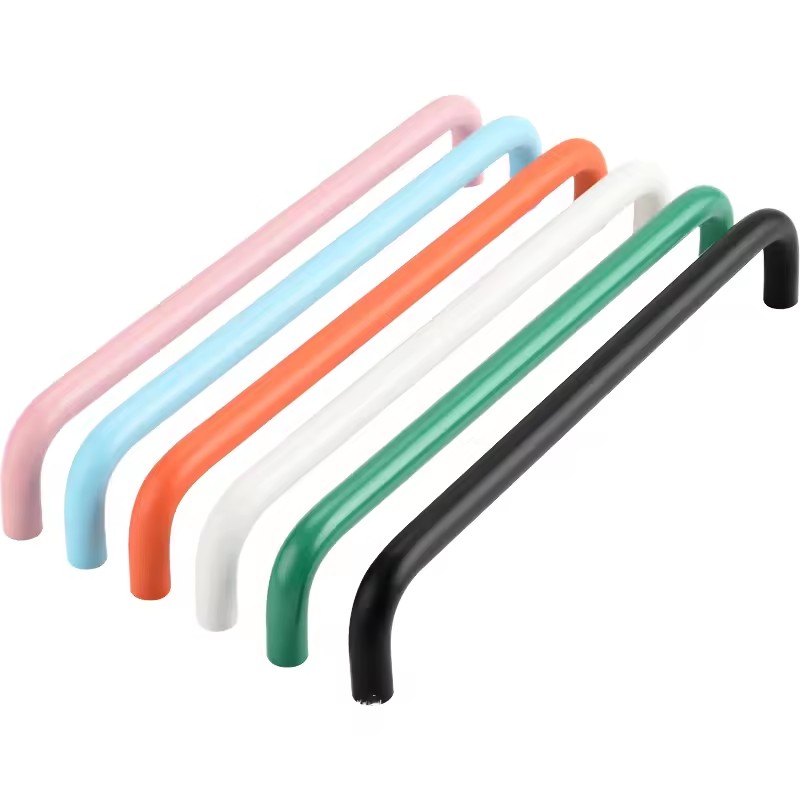
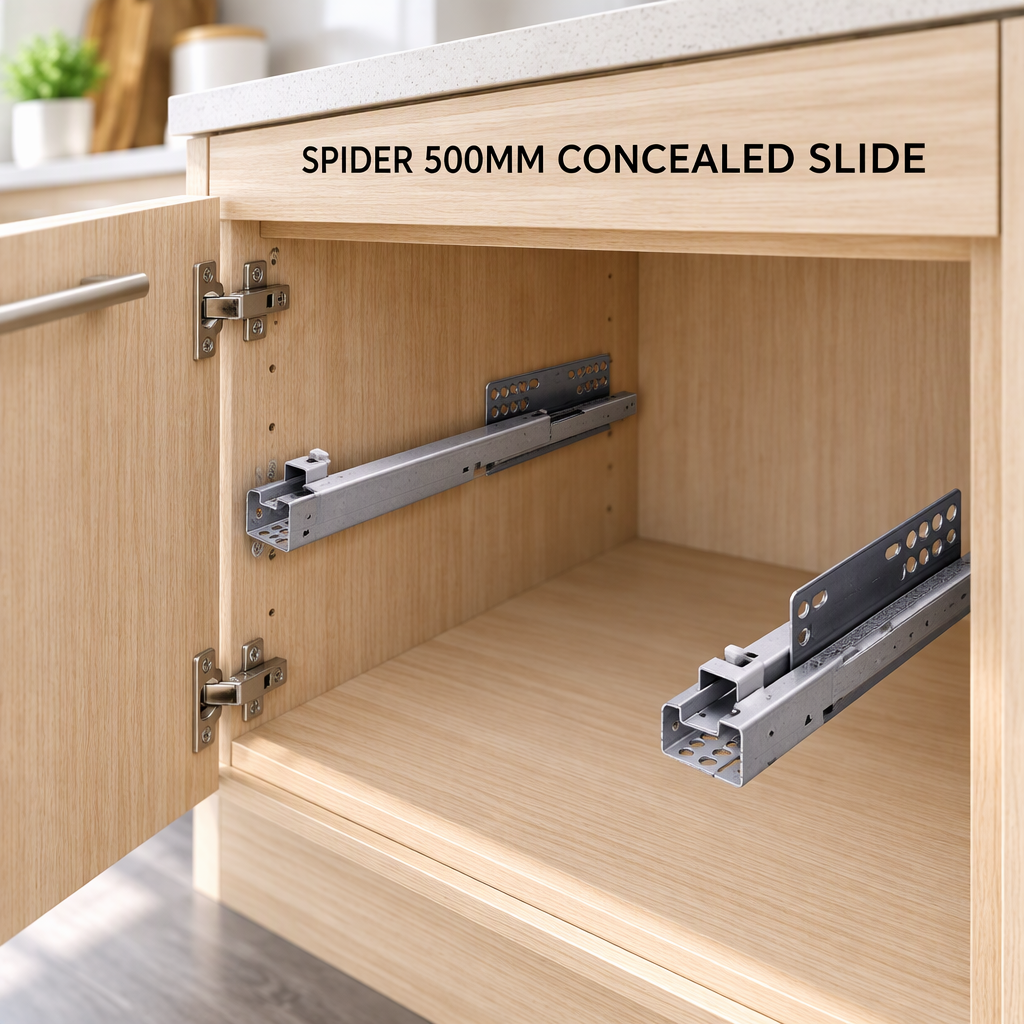
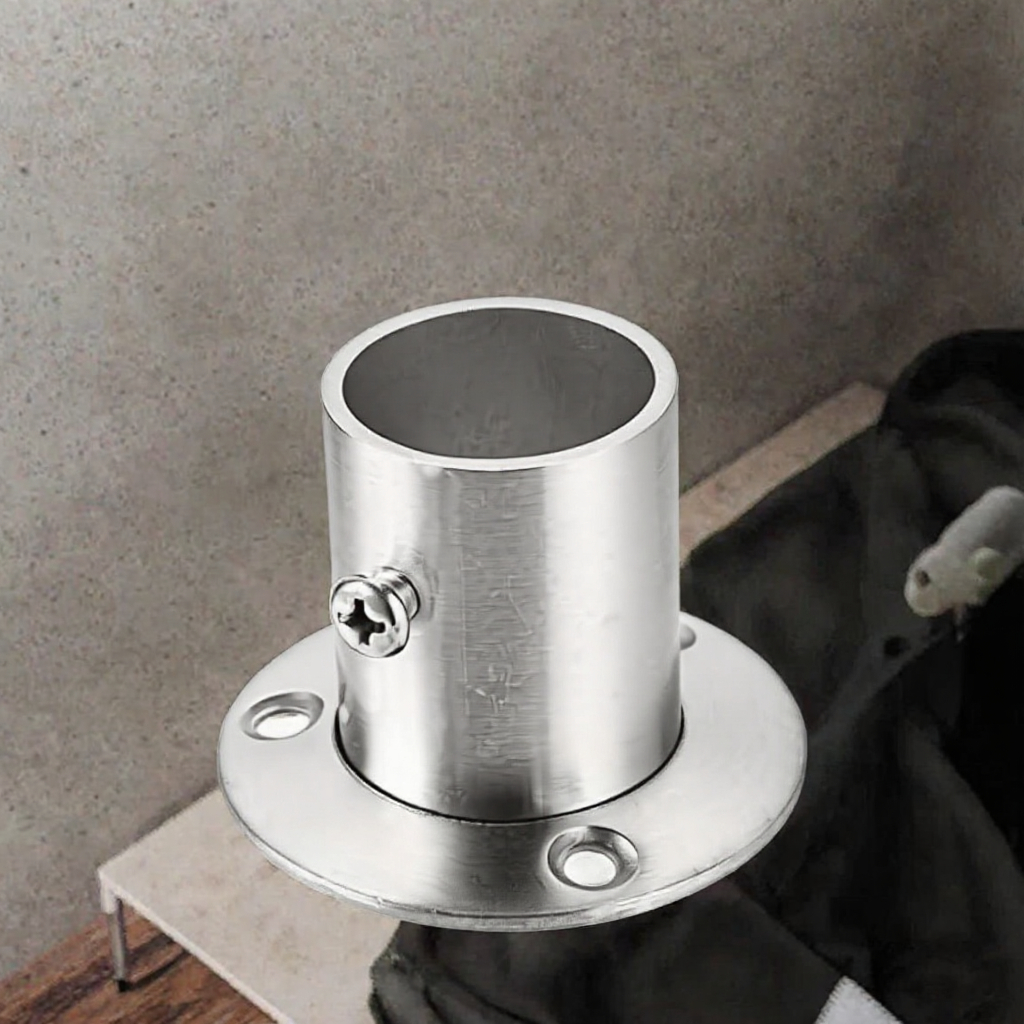
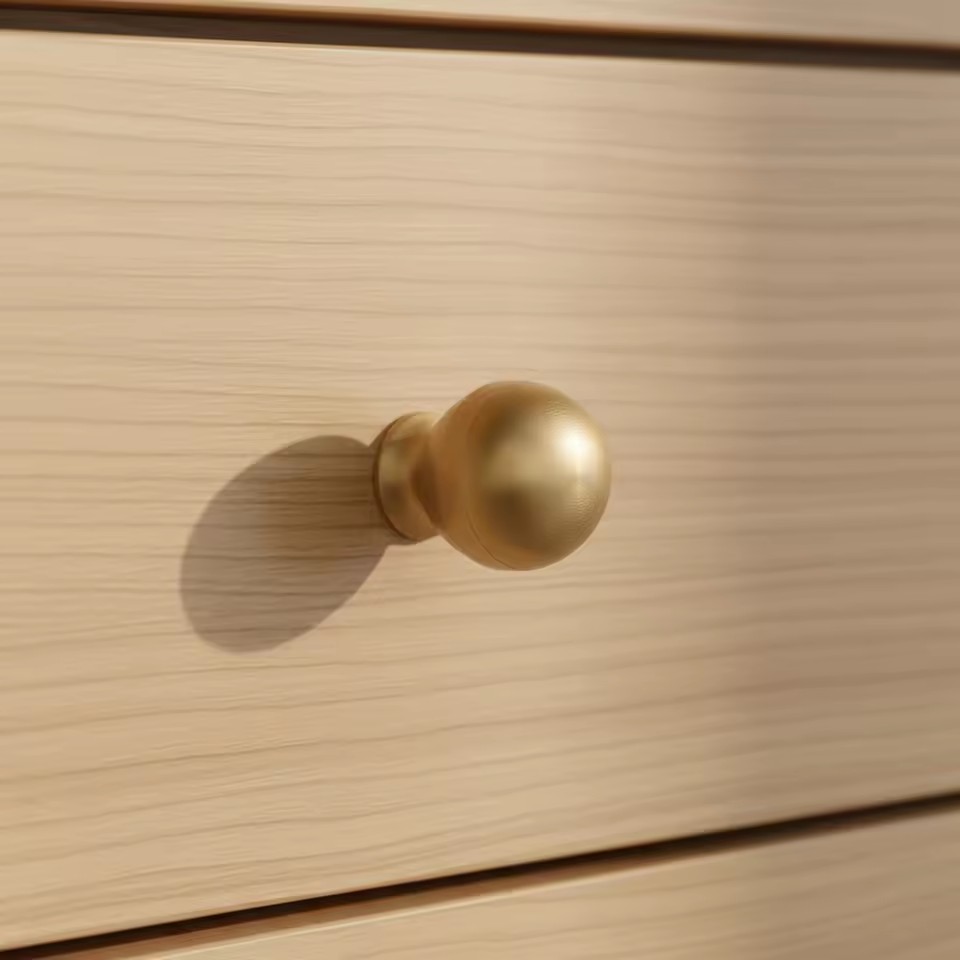
In modern commercial joinery, modular architectural construction, and high-density residential developments, the structural anchor of wall-mounted cabinetry is often overlooked until catastrophic joint failure occurs. Serving the capital of Covalima District—Suai—and its broader regional infrastructure initiatives, the specification of cabinet support brackets transcends mere interior decoration. It represents a vital structural discipline demanding rigorous metallurgical consideration, high shear-stress resilience, and dynamic load compensation.
As Suai evolves through sustained investments linked to the South Coast Petroleum Corridor (Tasi Mane Project), the expansion of the Suai Supply Base (SSB), and local civil administration enhancements, interior fittings face operational stresses unseen in temperate climates. Modern architectural cabinet suspension systems must reliably counterbalance heavy static payloads (such as quartz stone worktops, solid composite carcases, and high-density dishware storage) alongside severe cyclic vibrations, elevated tropical humidity levels, and dynamic coastal air masses rich in sodium chloride particulates.
Key Engineering Takeaway: Cabinet brackets installed in equatorial coastal regions like Suai require minimum tensile yield strengths exceeding 420 MPa and surface passivation passing at least 96 hours of ASTM B117 neutral salt spray without substrate corrosion.
Guangzhou Jarkul Hardware Co., Ltd. manufactures heavy-duty support brackets using premium cold-rolled steel (Q235 and SPCC grades), cast zinc alloy (Zamak 3 and Zamak 5), and marine-grade austenitic stainless steel (AISI 304 and 316). While conventional residential brackets often rely on thin 0.8mm stamped sheet metal that sags under sustained cantilever tension, our engineering portfolio emphasizes cold-rolled, work-hardened profiles ranging from 1.5mm to 3.0mm in structural thickness.
Each suspension system is evaluated under European DIN 68840 testing standards for wall-hanging fittings. This protocol subjects brackets to destructive static mass overloads, cyclic downward fatigue cycles (up to 50,000 movements simulating door and drawer operations), and pull-out stress testing against masonry anchors. By incorporating cold-forged internal reinforcement ribs and stamped gussets, our cantilever brackets eliminate downward deflection, preventing the micro-fissuring of cabinet back panels and maintaining absolute coplanarity between adjoining cabinet units.
| Hardware Category | Substrate Grade | Rated Load Capacity (Per Pair) | Corrosion Resistance Metric | Target Functional Scenario |
|---|---|---|---|---|
| Concealed 3D Heavy Hanger | SPCC Cold-Rolled Steel + Zamak Casing | 160 kg to 240 kg (DIN 68840 Certified) | Zinc Electroplating ≥ 12 μm (96h Salt Spray) | High-end floating kitchen base and wall cabinets |
| L-Profile Reinforced Shelf Bracket | Structural Q235 Carbon Steel (2.5mm) | 80 kg to 150 kg static cantilever load | Epoxy-Polyester Hybrid Powder Coating | Modular utility rooms, commercial pantries, clinics |
| Heavy-Duty Adjustable Leg / Bracket | High-Impact ABS Core + Steel Spindle | 450 kg static downward vertical load | Immune to chemical corrosion & floor washdown | Base plinths, uneven terrazzo, marine base housing |
| Wardrobe Flange & Rod Hanger | Austenitic Stainless Steel AISI 304 | 60 kg axial perpendicular weight | Grade 4 Passivation (≥ 240h ASTM B117) | Walk-in wardrobes, offshore staff modular suites |
The operational environment of Suai presents distinct mechanical and environmental challenges that directly dictate the selection of cabinet support hardware. Sourcing teams, general contractors, and master carpenters must account for specific site topologies across local installations:
Prefabricated modular living suites, engineering barracks, and operational administrative offices near the Timor Sea require high-density, vibration-resistant concealed hanging brackets that prevent carcase detachment during seismic tremors and continuous logistical heavy vehicle ground tremors.
With annual relative humidity frequently exceeding 85% and sustained ambient temperatures above 31°C, domestic and commercial kitchens in coastal Suai suffer from accelerated galvanic corrosion. Multi-layer nickel-plated brackets and 304 stainless accessories prevent rust staining on luxury white laminate doors.
Regional health centers, educational institutions, and civic halls in Covalima mandate lockable, heavy-capacity cabinetry. The use of reinforced bottom-mount slides and die-cast industrial support hardware ensures that medicine and archival lockers remain structurally secure under continuous institutional utilization.
The construction ecosystem of Timor-Leste is currently transitioning from on-site, wet-construction bespoke timber joinery toward industrial precision manufacturing, flat-pack cabinetry, and pre-hung modular millwork. Historically, local joiners relied on tropical hardwoods fastened with standard timber battens (French cleats) glued or screwed directly into uneven brick masonry. However, changing material trends and skilled labor costs are driving three dominant shifts:
First, the adoption of concealed 3D-adjustable suspension systems: Modern building envelopes constructed from hollow concrete masonry blocks (CMUs) or light-gauge steel framing frequently exhibit plane irregularities. Our concealed hanging brackets, featuring independent depth, horizontal, and vertical screw adjustments accessible via a clean 10mm hole in the back panel, allow installers in Suai to align continuous runs of cabinetry with millimeter accuracy without dismounting the unit.
Second, total integration of the Euro 32mm System: Importers in Dili and regional hubs are aligning their orders with standardized 32mm system holes. This permits automated CNC drilling of carcases, allowing cabinet support brackets, concealed hinges (35mm cup), and 45mm ball-bearing runners to share unified boring patterns. This standardization slashes installation man-hours on large commercial developments by up to 60%.
Third, mandatory moisture barrier decoupling: Traditional wood plinths resting directly on uninsulated screed floors absorb rising dampness, leading to wood rot and termite infestation. Architectural specifications in Suai now widely dictate heavy-duty adjustable ABS and polypropylene leveling legs clipped to removable aluminum or PVC plinths, physically elevating wooden cabinetry away from moisture, cleaning detergents, and pests.
Selecting an offshore manufacturing supplier for critical building hardware involves significant trade risk. Since 2011, Guangzhou Jarkul Hardware Co., Ltd. has served as a benchmark B2B export manufacturer for importers, tier-one developers, and wholesale distributors in more than 30 countries across Southeast Asia, the Middle East, Africa, and the Americas.
Our competitive advantages are deeply rooted in factual operational competence:
Connect directly with our senior export engineering team in Guangzhou. Request technical submittal sheets, physical material sample packs, factory test reports, and an optimized container loading schedule tailored to your exact bill of quantities.