High-Precision Hardware Supporting Vaduz Architectural Millwork
Combining heavy-load structural support with micro-tolerance damping, our catalog supports premium seating manufacturers, contract interior fitters, and luxury joiners throughout the Rhine Valley.
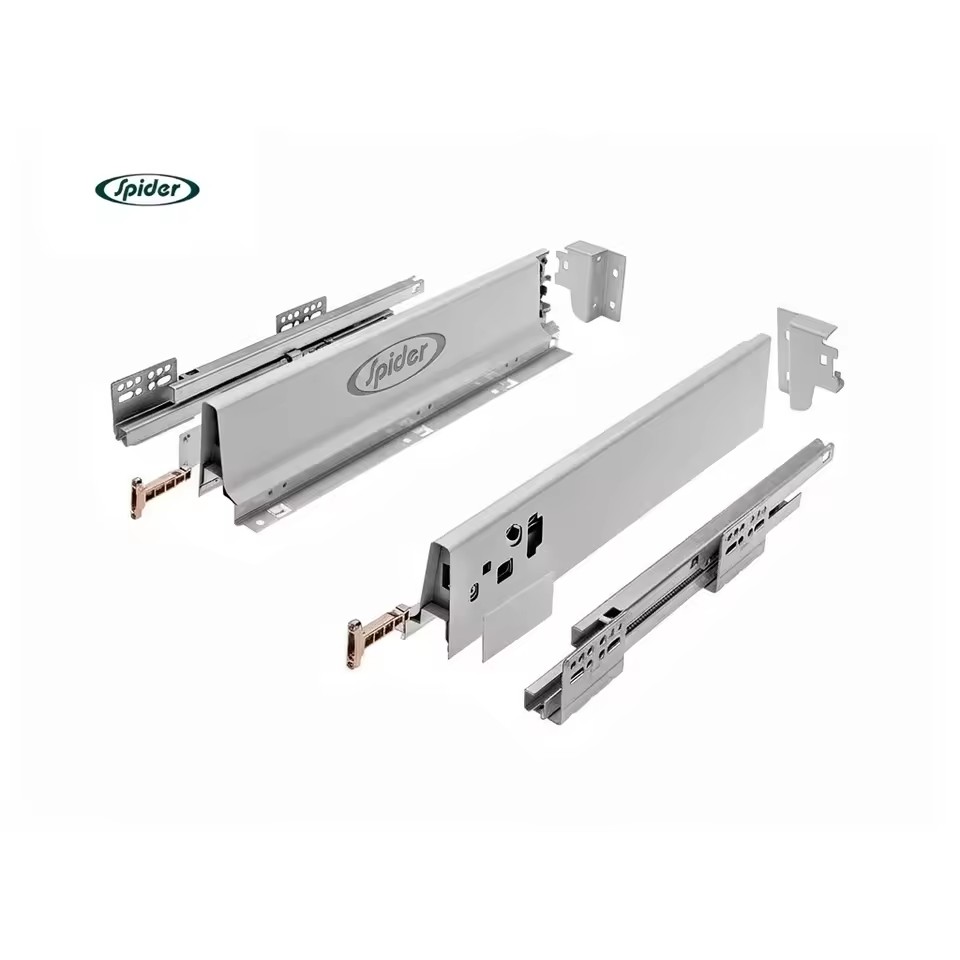
Load Capacity Forty Kilogram Easy Installation System Synchronized Runner Movement Eighteen Inch Length Modern Box Drawer Silent
- Payload Dynamic: 40 kg Certified
- Mechanism: Rack Synchronized
- Length: 18 Inch (450mm)
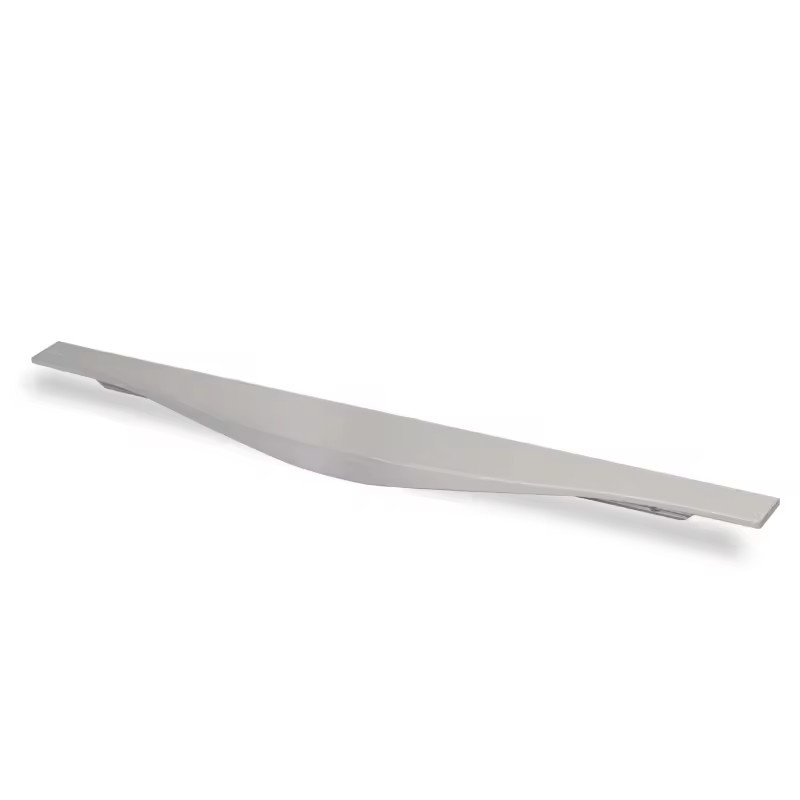
Kitchen Hardware Furniture Cabinet Drawer Handle Aluminium Alloy Material Cabinet Handles Silver Black Gold Aluminum Profile
- Material: Extruded Al-Mg-Si
- Finishes: Anodized Gold/Matte
- Tolerance: CNC ±0.15mm
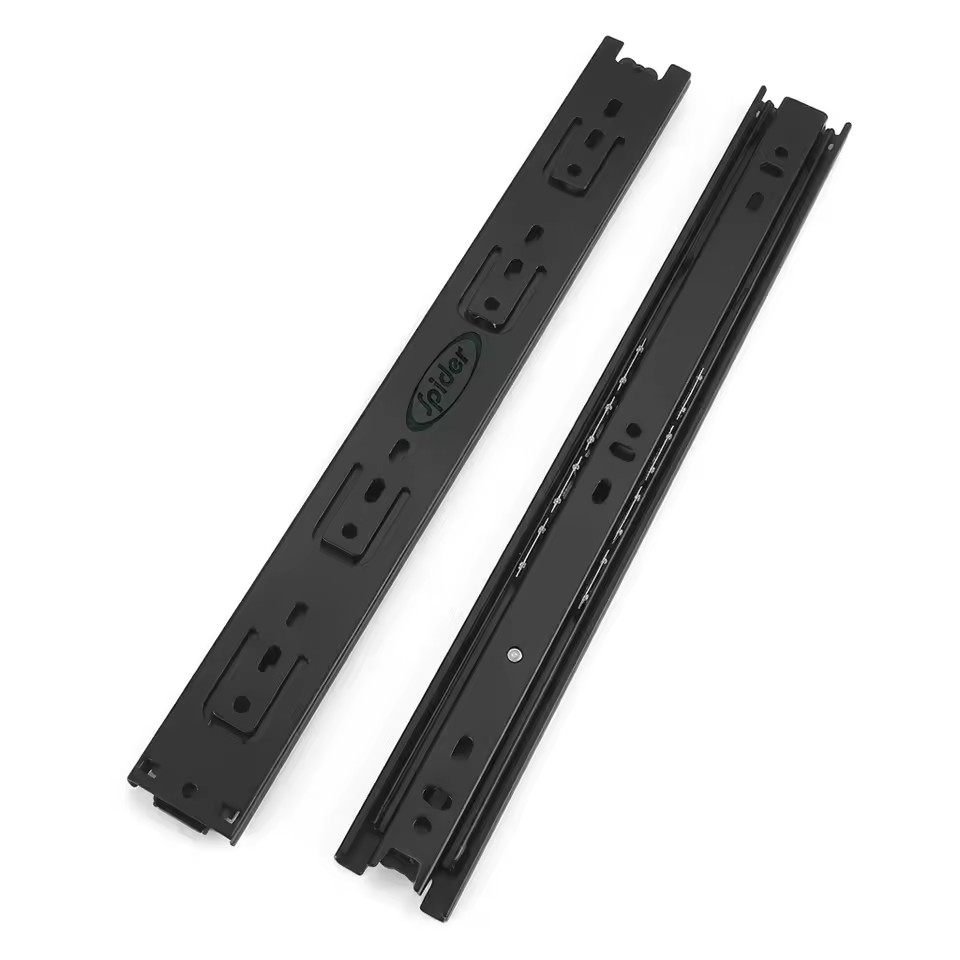
Three Fold Telescopic Ball Bearing Kitchen Cabinet Drawer Guide Sleek Slewing Smooth Operation Slides Steel Hardware Accessory
- Travel: 100% Full Extension
- Bearing: High-Carbon Steel Balls
- Plating: Multi-Layer Zinc Blue
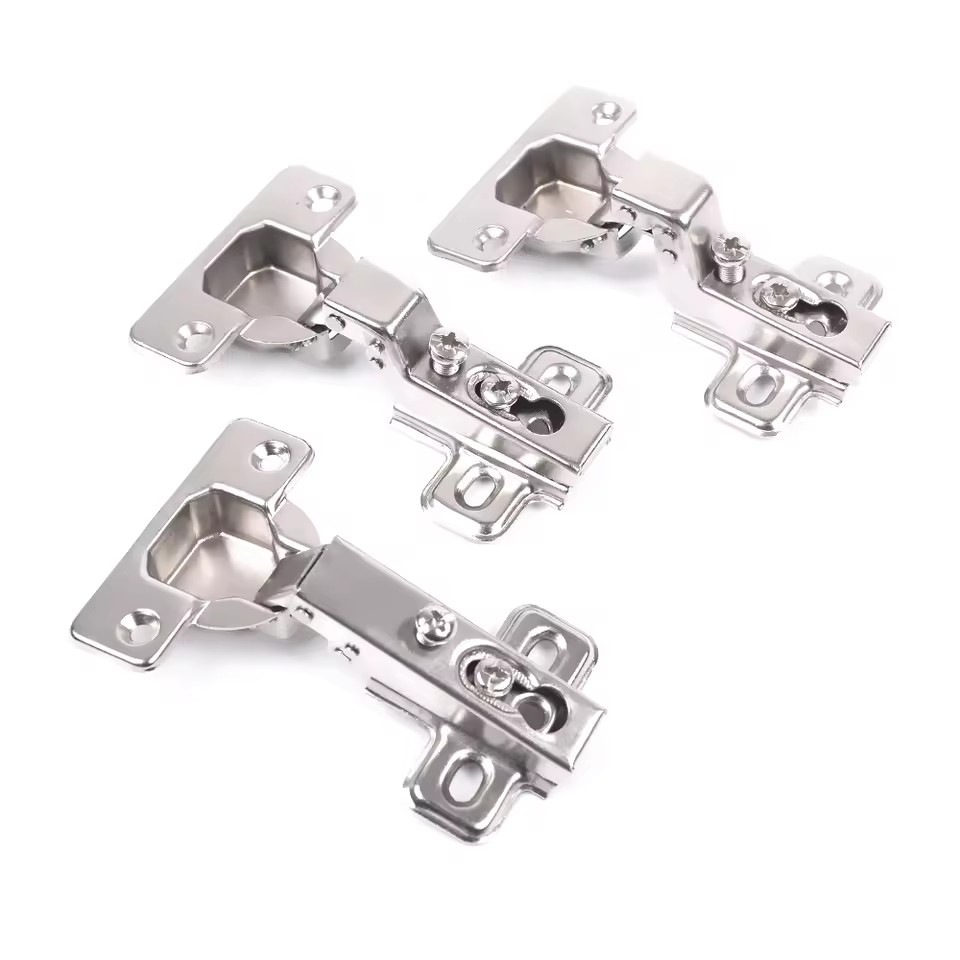
Soft Closing Heavy Duty Iron Furniture Hinges for Wardrobe Cabinet Doors Bus Hinges Kitchen Workshop Living Room Hotel Hospital
- Damping: Sealed Copper Piston
- Endurance: 80,000+ Cycles
- Salt Spray: NSS 48h Passed
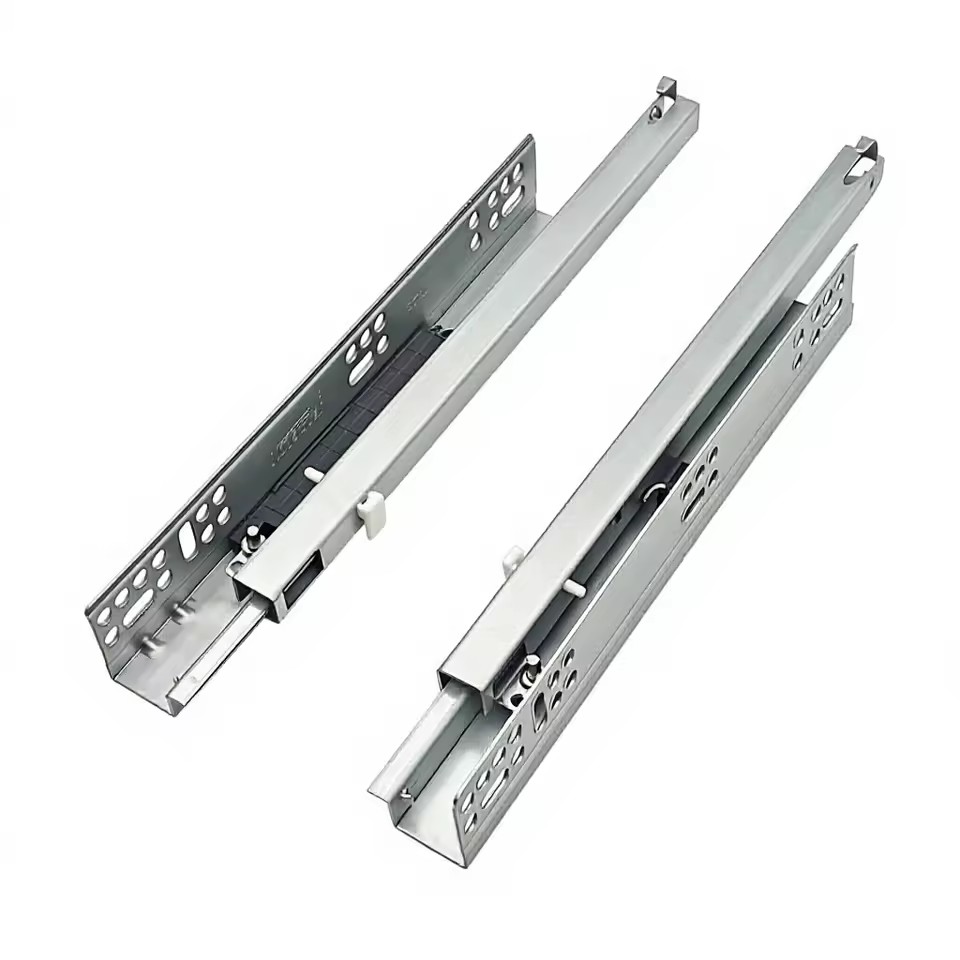
Modern Steel Drawer Bottom Mount Slide Silent Hidden Sliding Rail Guide for Kitchen Bedroom Cabinets Adjustable Durable
- Mounting: Undermount Invisible
- Adjustment: Tool-free 3D Clamps
- Motion: Fluid Soft-Close Run
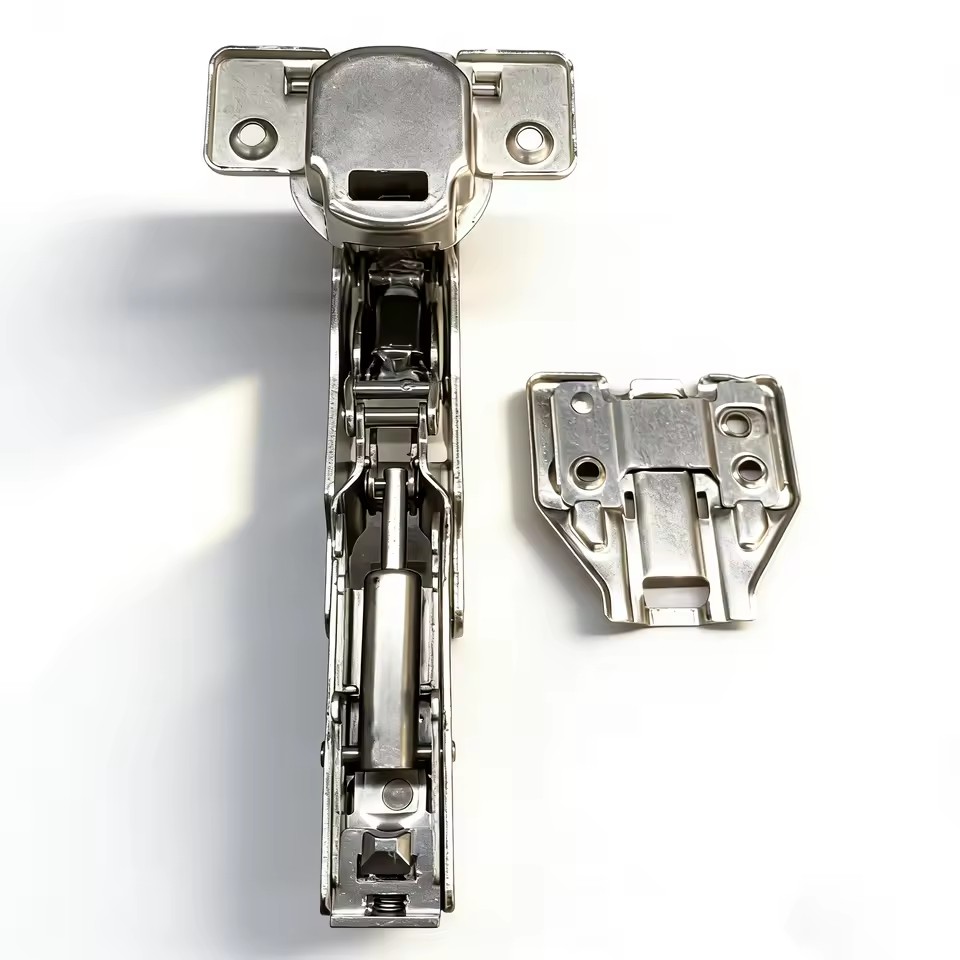
High Quality SPIDER Bedroom Apartment School Furniture Hardware Contemporary Large Angle 165 Multi Function Hydraulic Soft Close
- Aperture: 165 Degree Clearance
- Structure: Cold-Rolled Carbon
- Series: SPIDER Contract Grade
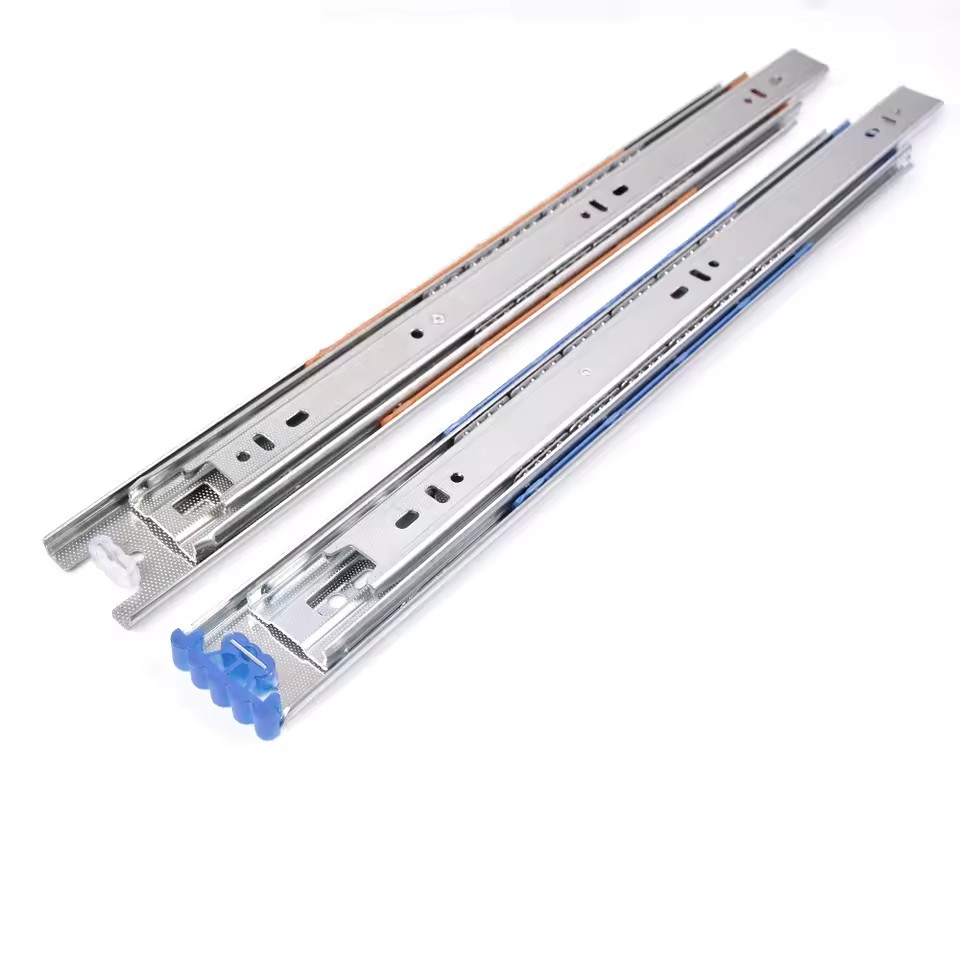
Ball Bearing Drawer Slides Wardrobe Cabinet Full Extension Heavy Duty Hardware Accessory Component Durable Sturdy Fitting Supply
- Width Profile: 45mm / 51mm Gauge
- Disconnection: Trigger Release Lever
- Load Static: Up to 65 kg
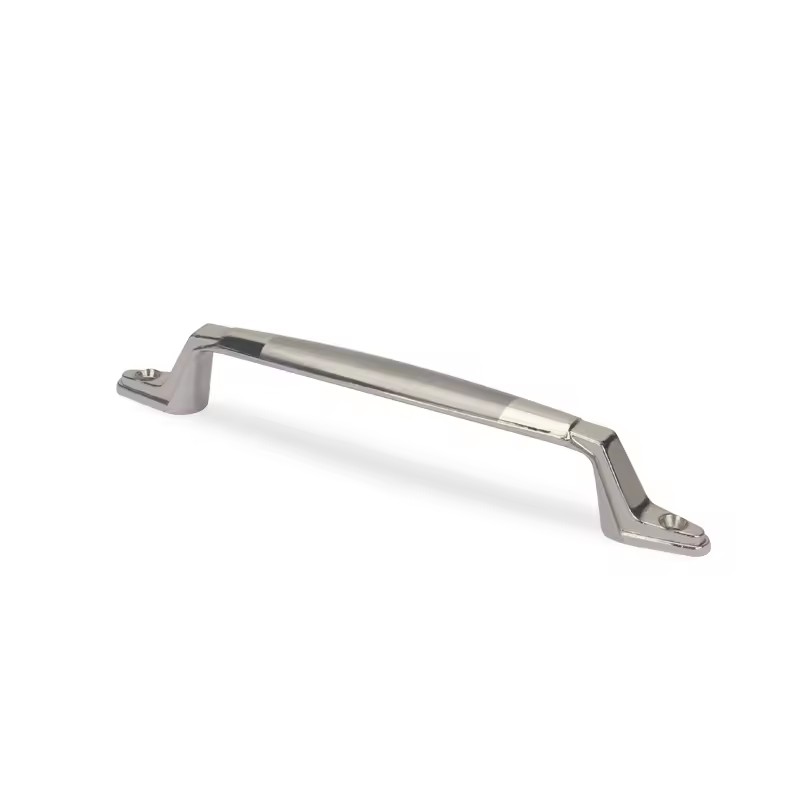
Cabinet Pull Handle Zinc Alloy Wholesale Brushed Nickel Wardrobe Door Furniture Hardware Accessory Component Durable Sturdy
- Alloy: High-Density Zamak #3
- Finish: Electroplated Satin Nickel
- Centers (CC): 96mm to 320mm Options
The Vaduz Furniture & Architectural Hardware Ecosystem: Technical Sourcing Analysis
An in-depth perspective on material metallurgy, structural load standards, and Swiss-Liechtenstein supply chain integration for luxury contract joinery.
The Principality of Liechtenstein, with its capital in Vaduz, represents one of the most affluent, architecturally refined, and quality-discerning interior markets in the European continent. While geographically compact, Vaduz functions as a prime node within the greater St. Gallen–Chur–Vorarlberg Alpine economic triangle. Bespoke furniture makers (Schreiner and Möbelbauer), high-end upholstery manufacturers, and interior architecture ateliers in Vaduz cater directly to ultra-high-net-worth individuals (UHNWIs), family office estates, elite trust banking institutes along Städtle, and boutique luxury residences perched along the Alpine slopes overlooking the Rhine Valley.
"Procurement in the Vaduz market is never driven by nominal unit cost; it is dictated by mechanical endurance, absolute structural silence under dynamic loads, flawless metallurgical finishes, and seamless integration with Swiss-standard construction specifications."
Micro-Economic Reality: High Purchasing Power & Spatial Aesthetics
In Vaduz, residential real estate commands exceptional valuations, leading architects to prioritize open-plan living environments where furniture acts as architectural sculpture. In luxury seating—ranging from multi-meter modular sectional sofas to deep-lounge executive club chairs—the structural leg assembly serves as the defining visual anchor. Over the past five years, the market has shifted decisively away from standard cast-zinc generic legs toward customized carbon-steel, cold-drawn stainless steel (AISI 304/316), and precision-extruded aluminum profiles treated with Physical Vapor Deposition (PVD) or hard micro-sandblasted anodization.
Furthermore, because Liechtenstein shares a unified customs and currency territory with Switzerland under the historic Swiss-Liechtenstein Customs Treaty (Zollvertrag), hardware goods imported into the Vaduz market are subject to Swiss customs clearance protocols (EZV/BAZG) and must comply seamlessly with Swiss SIA standards, European Norms (EN 12520 for domestic seating strength, EN 1022 for stability, and EN 1335 for contract use), and rigorous REACH / RoHS environmental directives.
Localized Application Scenarios in the Vaduz Area
A rigorous understanding of localized application scenarios is paramount for any international exporter seeking to establish long-term supply arrangements with Vaduz procurement officers. Our product lines are systematically engineered to serve four distinct architectural and commercial niches:
Private Wealth Headquarters & Trust Law Lounges
Vaduz hosts dozens of renowned wealth institutions and legal chambers along Städtle. Executive suites demand bespoke modular sofas with low-profile, brushed bronze or matte-black powder-coated steel legs. These assemblies incorporate high-density POM (polyoxymethylene) glides to protect rare Italian marble and Swiss white-oak flooring against scratch degradation while bearing dynamic weights up to 600 kg.
- Requirement: Invisible weld seams and acoustic damping
- Finishes: PVD Titanium Gold, Brushed Gunmetal, Matte Black RAL 9005
- Testing: 500-hour neutral salt spray (ASTM B117)
Alpine Chalets & Luxury Slope Residences (Malbun & Triesenberg)
Properties in the alpine heights above Vaduz experience seasonal temperature swings and fluctuating indoor humidity during winter underfloor heating cycles. Sofa legs and internal framing hardware must exhibit zero structural resonance and superior anti-oxidation coatings that resist condensation caused by large thermal differentials.
- Challenge: Micro-expansion of natural timber structures
- Hardware Solvers: Flexible slotted mounting plates & heavy-gauge steel
- Acoustics: Zero-creak mechanical fastening interfaces
Schaan-Vaduz Industrial Design Showrooms & Custom Cabinetry
Liechtenstein's design houses frequently blend industrial aesthetics with Swiss minimalist heritage. Upholstery manufacturers regularly specify minimalist tapered cone legs, cantilevered hairpin geometry, and hidden recessed leveling feet capable of micro-adjustment on uneven stone masonry surfaces.
- Adjustment Range: M8/M10 thread micro-leveling from 0 to 25mm
- Compatibility: CNC pre-drilled standardized bolt matrices (System 32)
- Materials: Die-cast zinc alloy and cold-extruded aluminum
Structural Metallurgy & Finishing Standards for Vaduz Importers
A side-by-side metallurgical and mechanical comparison of our sofa leg components engineered for high-duty Alpine and Central European installations.
| Component Series | Base Alloy & Grade | Dynamic Load Capacity | Surface Treatment Technology | Floor Protection Interface | Vaduz Application Niche |
|---|---|---|---|---|---|
| Alpine-Max Tapered Leg | Q235A Seamless Carbon Steel (2.0mm wall) | 250 kg per leg (1,000 kg set) | Cathodic Electro-Deposition + Matte Epoxy | Vulcanized Non-Marking Neoprene Pad | Heavy Chesterfield & Modular Sectionals |
| Städtle Minimalist Blade | Cold-Rolled Solid Steel Plate (8.0mm) | 350 kg per leg (1,400 kg set) | PVD Magnetron Sputtered Titanium Champagne | Self-Lubricating POM Machine Glides | Corporate Executive Lounges & Penthouses |
| Rhine-Deco Cast Foot | High-Purity Zamak #3 Die-Cast Alloy | 180 kg per leg (720 kg set) | Multi-Layer Brushed Nickel + Nanoclear Coat | Felt-Integrated Brass Base Plate | Boutique Hotel Suites & Armchairs |
| Concealed Leveller Leg | Virgin High-Impact Polypropylene + Steel Rod | 120 kg per leg (480 kg set) | Inherent UV & Moisture Stabilized Matte | Concentric Ribbed Slip-Resistant Base | Plinth-Base Kitchens & Recessed Bed Frames |
Current Procurement Trends Driving Hardware Selection in Vaduz (2025–2028)
1. Circular Metallurgy and Non-Toxic Finishes: Environmental responsibility is deeply ingrained in Liechtenstein's corporate governance. High-end architects in Vaduz now demand full material traceability. Powder coatings must be completely VOC-free, electroplating operations must strictly avoid hexavalent chromium (Cr6+), and steel components must have verifiable end-of-life recyclability according to circular building standards.
2. Acoustic Decoupling in Low-Energy Architecture: The vast majority of new builds and renovated historical residences in Vaduz follow the Swiss Minergie-P and Minergie-ECO building standards. These structures feature ultra-tight acoustic insulation. As a direct consequence, interior creaking, structural friction between sofa legs and hardwood, or drawer slide rattle is considered an intolerable building defect. Hardware suppliers must supply mechanical joints with built-in silicone elastomer washers, nylon anti-friction sleeves, and hydraulic dampers.
3. Consolidated B2B Freight via Regional Logistics Hubs: Importers in the Rhine Valley cannot afford fragmented, piece-meal shipments with complex customs delays. The predominant purchasing model involves consolidated 20GP or 40HQ containers routed directly from Guangzhou Huangpu or Nansha port to the central intermodal freight hubs in Buchs SG (Switzerland) or Wolfurt (Austria), just across the border from Vaduz. Exporters capable of supplying complete packages—sofa legs, soft-close hinges, synchronized ball-bearing runners, and profile handles in single mixed containers—enjoy an immense commercial advantage.
Guangzhou Jarkul Hardware Co., Ltd.: Export Integrity Since 2011
Direct manufacturing coordination, transparent technical documentation, and audited quality assurance tailored to discerning European procurement entities.
15-Year Verified Track Record
Onsite-audited supplier operations with deep experience navigating international trade compliance, container stuffing plans, and rigorous overseas buyer requirements.
Full OEM/ODM Customization
From CAD/BIM drawing confirmation and tooling fabrication to private laser engraving, custom-branded master cartons, and tailored protective foam packaging.
Complete BOM Consolidation
Eliminate multiple supplier markups. Combine sofa legs, hydraulic cabinet hinges, 45mm heavy drawer slides, and gas spring stays into unified container shipments.
SGS & Cycle Certified
Products undergo rigorous static load assessments, 80,000-cycle kinetic fatigue runs, and 48-to-96-hour neutral salt-spray anti-corrosion testing prior to departure.
Frequently Asked Questions: Sourcing Hardware for Vaduz & the Swiss Rhine Valley
Clear, direct answers regarding customs compliance, Swiss standards, lead times, and container consolidation logistics.
Request Your Vaduz Project Sourcing Package
Connect directly with Guangzhou Jarkul Hardware's export engineering department. Receive our complete technical specification catalog, standard component CAD libraries, and competitive landed FOB/CIF pricing within 2 business hours.