Engineered Sliding Door & Cabinet Systems
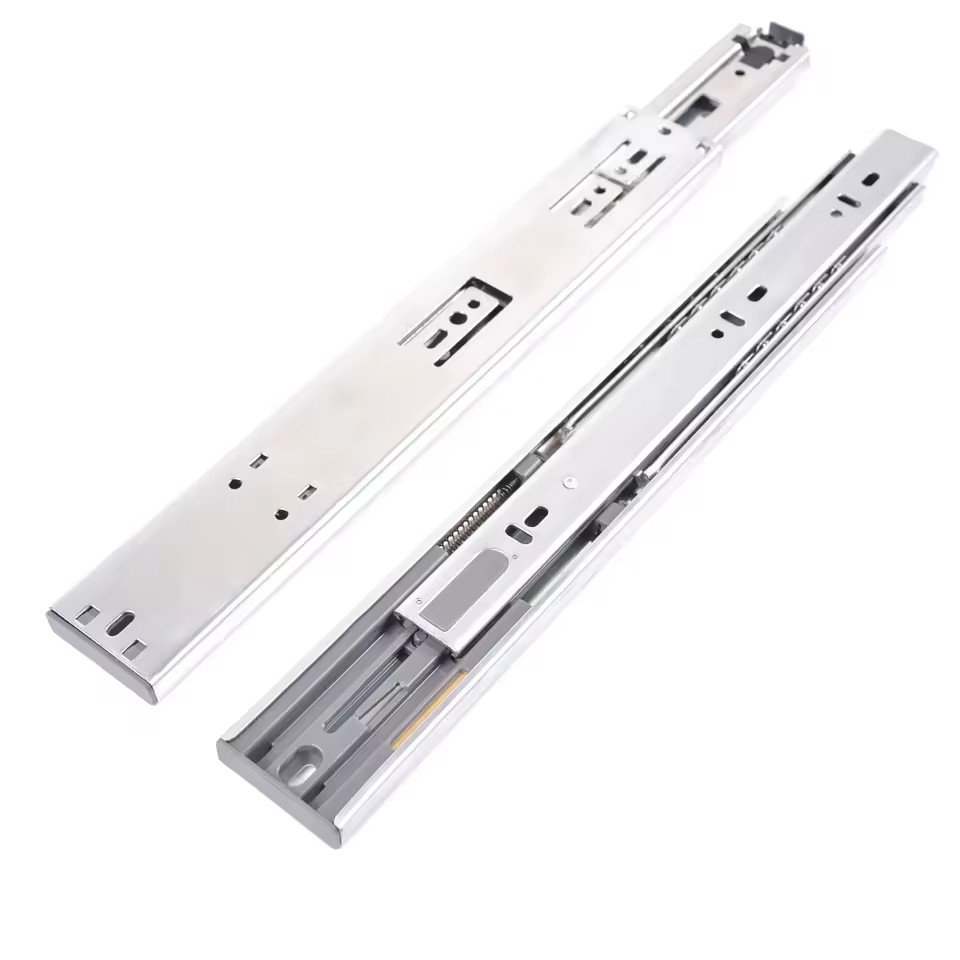
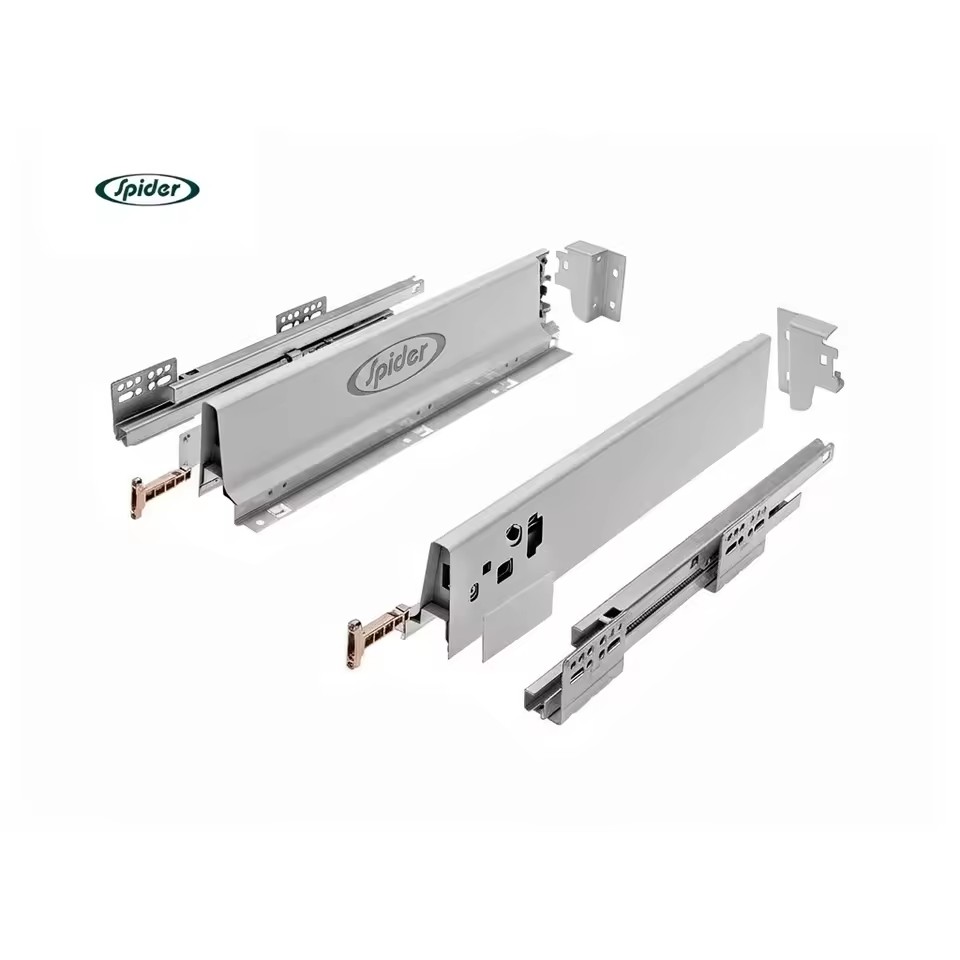
Precision-engineered sliding rollers, hydraulic dampers, concealed hinges, and drawer slide systems tested to over 100,000 continuous operating cycles under industrial and domestic loads.
The Architecture of Sliding Door Damper Roller Systems
A comprehensive examination of kinetic deceleration, fluid friction coefficients, roller polyoxymethylene (POM) mechanics, and track stabilization across commercial and residential architectural projects.
In high-specification interior fit-outs and architectural joinery, the operational feel of sliding door partitions, wardrobes, and pocket systems defines overall perceived build quality. A sliding door damper roller system is far more than a simple wheel carriage running along an extruded rail; it is a kinetic energy management assembly designed to safely bring door leaves weighing between 20 kg and over 120 kg to a silent, vibration-free rest. In dynamic urban centers such as Toulouse—where contemporary lofts in Saint-Cyprien coexist with historic haussmannian apartments near the Capitole and high-tech corporate offices across Labège Innopole—demands placed on sliding door mechanics require extreme mechanical reliability, acoustic isolation, and long-term fluid stability.
The core mechanism combines three synchronized sub-assemblies: the structural suspension carriage, the dual-action pneumatic or hydraulic deceleration cylinder, and the extruded guide profile. When a user throws or glides an expansive wooden, acoustic composite, or tempered glass partition, the door moves with significant momentum: Ek = ½mv². Without continuous fluid damping, the impact against mechanical end-stops causes acoustic shock waves throughout drywall framing, compromises wall masonry, throws glass panels out of plumb, and causes internal derailment. Modern systems utilize high-grade silicone-based hydraulic fluid chambers equipped with progressive orifice bypass valves, maintaining uniform damping force throughout the deceleration stroke regardless of thermal fluctuation.
Pure Polyoxymethylene (POM) Wheels
High-crystallinity engineering thermoplastic rollers integrated with 608RS precision chrome-steel bearings deliver silent, self-lubricating translation under high static and dynamic radial loads.
Dual-Directional Soft-Close Pistons
Bidirectional hydraulic cylinders brake sliding masses smoothly at both full-open and full-close cycles, entirely eliminating bounce-back effects and structural rebound resonance.
Anti-Derailment Safety Clamps
Positive-locking mechanical anti-jump brackets and drop-forged steel trigger tongues secure sliding panels within extruded 6063-T5 aluminum upper tracks under abrupt lateral forces.
To withstand intense daily operation, Jarkul Hardware integrates structural carbon-steel brackets and extruded anodized aluminum carrier housings that resist flexural fatigue. Each roller carriage is fitted with dust-shielded, pre-greased ball bearings engineered to operate smoothly across wide ambient temperature curves—from the dry heat of Occitanie summers to humid autumn conditions along the Garonne River.
Localized Applications in the Toulouse & Occitanie Market
Adapting multi-point kinetic sliding hardware to the unique building topologies, acoustic thresholds, and aesthetic standards of France's fourth-largest metropolis.
Toulouse represents a dynamic crossroads of heritage preservation and high-technology enterprise. The metropolitan fabric ranges from traditional briques foraines (pink brick) multi-family dwellings in the historic center to sprawling modern tech parks across Blagnac, Colomiers, and Montaudran. Sourcing sliding door damper roller systems in this territory demands an acute understanding of how interior architecture interfaces with localized engineering requirements.
Aerospace Corporate & Research Centers (Blagnac / Colomiers)
Office interiors across aerospace campuses demand flexible spatial reconfiguration using heavy acoustic glass partitions (acoustic ratings of Rw 38dB to 45dB). Dampers engineered for 80 kg to 120 kg panels ensure executive briefing suites, collaborative hubs, and acoustic telephone pods glide soundlessly without acoustic leakage.
Historical Haussmannian & Patrimonial Renovations
In central Toulouse districts like Carmes and Saint-Étienne, preservation projects prohibit aggressive masonry disruption. Concealed top-hung sliding hardware allows massive solid oak or lacquered pocket doors to slide cleanly into slim stud partitions, delivering soft-braking action that safeguards fragile plaster ceiling moldings.
Compact Urban Residential Developments (Borderouge & Cartoucherie)
With rapid demographic expansion driven by universities and engineering firms, new eco-districts prioritize space optimization. Integrated pocket door sliding systems maximize usable floor areas by eliminating swing clearance in urban micro-apartments, high-end student residencies, and modern studio lofts.
Hospitality & Luxury Medical Facilities
Boutique hotels along the Canal du Midi and private clinics require hygienic, barrier-free access. Zero-clearance bottom guide pins eliminate trip thresholds, complying strictly with French Accessibility Standards (PMR - Personnes à Mobilité Réduite) without disrupting continuous floor tiles or parquet.
Macro Trends Reshaping Sliding Hardware in Occitanie
Anticipating the technological, regulatory, and environmental shifts governing construction and hardware procurement through 2030.
The construction sector across Occitanie is experiencing substantial regulatory evolution driven by France's environmental regulations (RE2020) and circular economy guidelines. In response, architectural joiners (menuisiers agenceurs), hardware distributors, and general contractors in Toulouse are refining their technical specifications across three primary vectors:
| Industry Megatrend | Underlying Technical Driver | Hardware Engineering Impact | Market Advantage (Toulouse Region) |
|---|---|---|---|
| Decarbonized Timber Construction | French RE2020 environmental regulation favoring biosourced materials (CLT, engineered glulam timber). | Carriages must support heavier cross-laminated timber leaves prone to micro-warping without track binding. | Superior load ratings (up to 120kg) prevent sagging and binding during seasonal humidity shifts along the Garonne. |
| Acoustic Decoupling Mandates | Stringent collective housing noise standards (NRA - Nouvelle Réglementation Acoustique). | Integration of elastomeric damper seals and vibration-isolated mounting brackets. | Elimination of structure-borne noise (≤ 25 dB(A)) transmitted through structural framing into adjacent residential units. |
| Modular Circularity & Demountability | Loi AGEC (Anti-waste for a circular economy) requiring field-serviceable building hardware. | Modular damper cartridges that can be unclipped and serviced without demolishing surrounding drywall casings. | Long-term reduction in facility maintenance overhead for commercial property managers across Toulouse Métropole. |
| Concealed Minimalist Aesthetics | High-end interior architecture favoring invisible ceiling flush tracks and zero frame reveals. | Ultra-low clearance suspension plates (≤ 2 mm gap) and recessed damper pistons concealed within track extrusion. | Seamless ceiling lines and full-height architectural openings favored in high-profile luxury architectural fit-outs. |
Frequently Asked Questions: Toulouse Buyers & Importers
Critical mechanical, logistic, and commercial insights for hardware stockists, kitchen manufacturers, and commercial project specifiers.
Why Major Importers Partner with Guangzhou Jarkul Hardware
Over 15 years of verified export engineering, disciplined metallurgical selection, and an unyielding commitment to B2B partnership integrity.
Rigorous In-House Quality Control
Every batch undergoes automated 4-stage inspection: spectroscopic alloy validation, dimensional micrometer gauging (within ±0.05 mm), continuous hydraulic stroke damping curve analysis, and extreme dynamic fatigue cycling.
Prompt B2B Communication Protocols
Our dedicated European export desk guarantees technical drawing verification, quote generation, and production inquiries within ≤ 2 hours during normal business operating windows, ensuring rapid project cycle turnaround.
Comprehensive Portfolio Integration
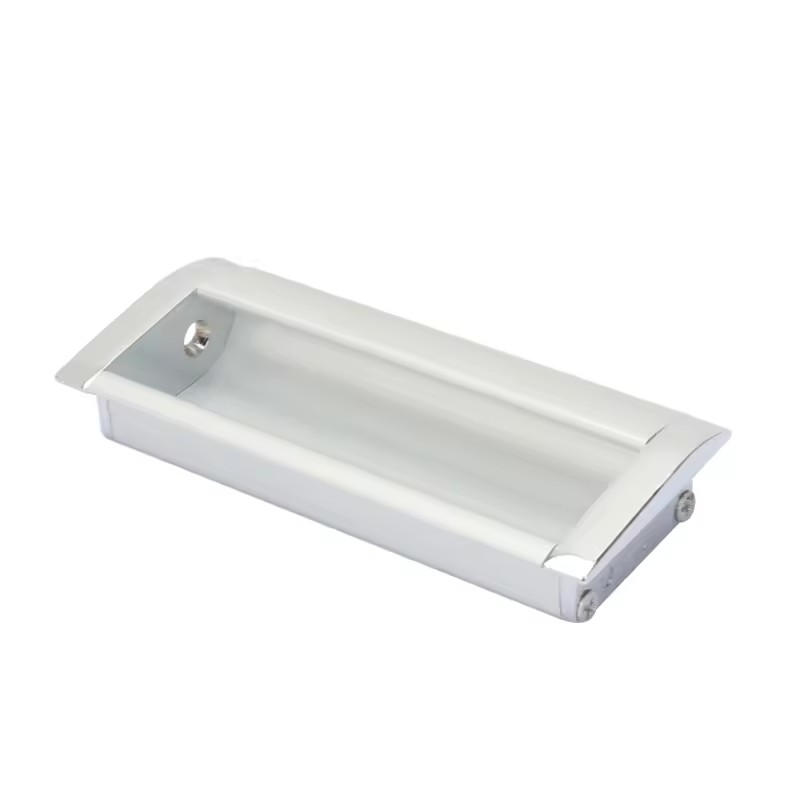
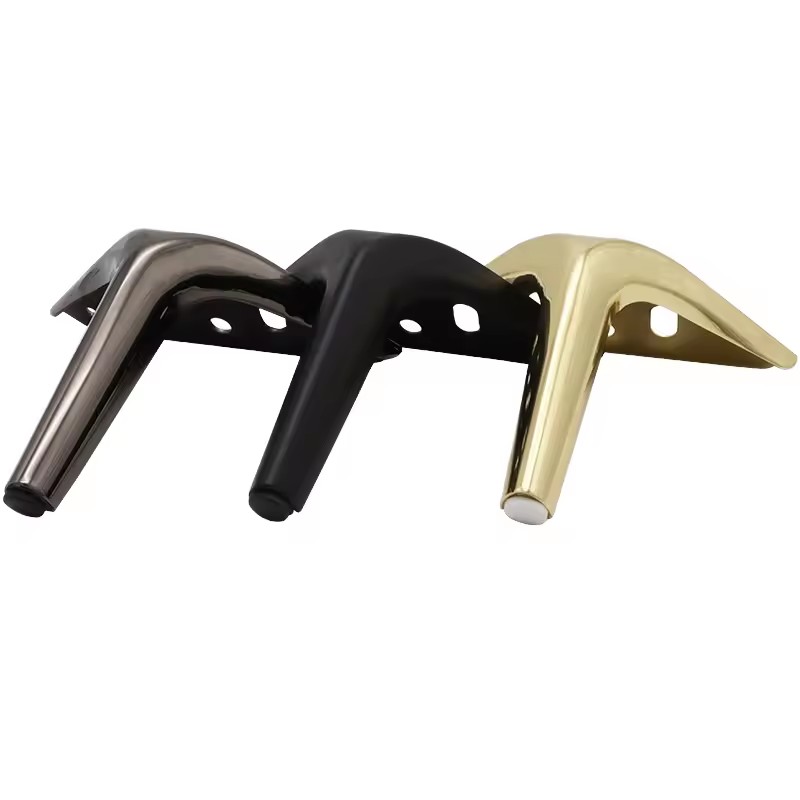
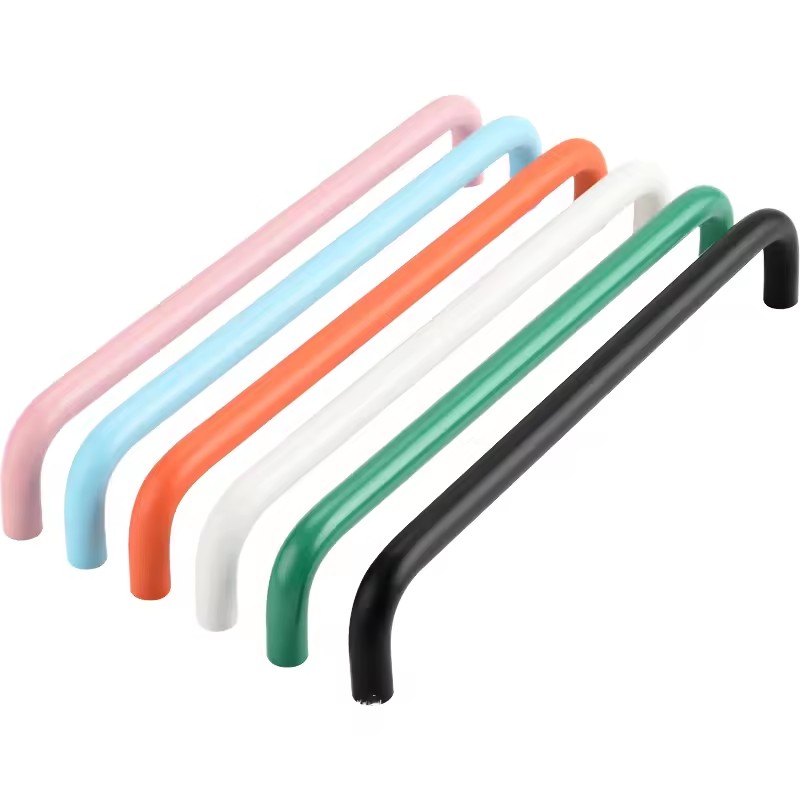
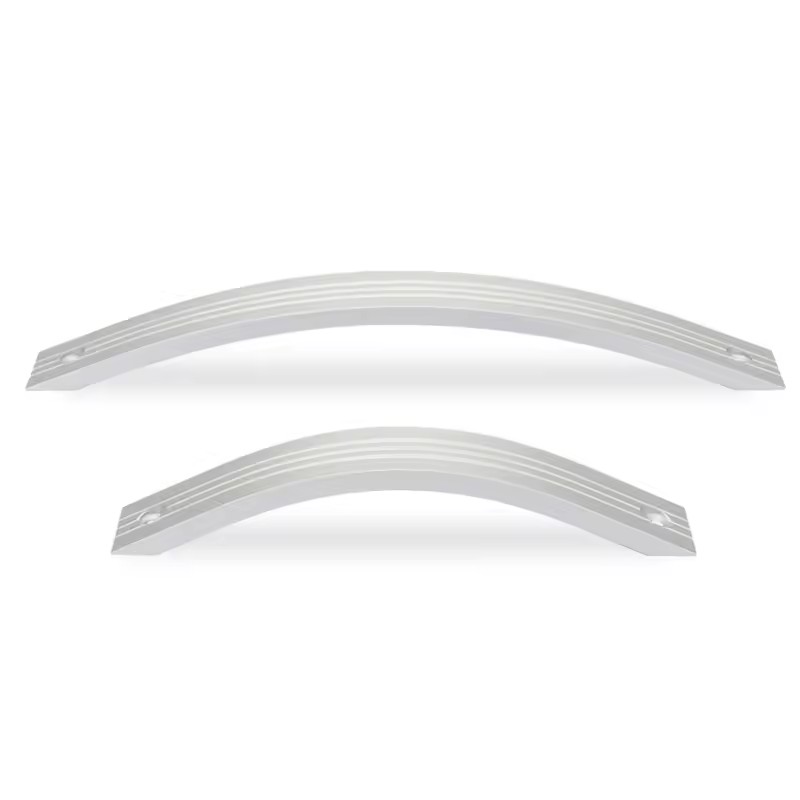
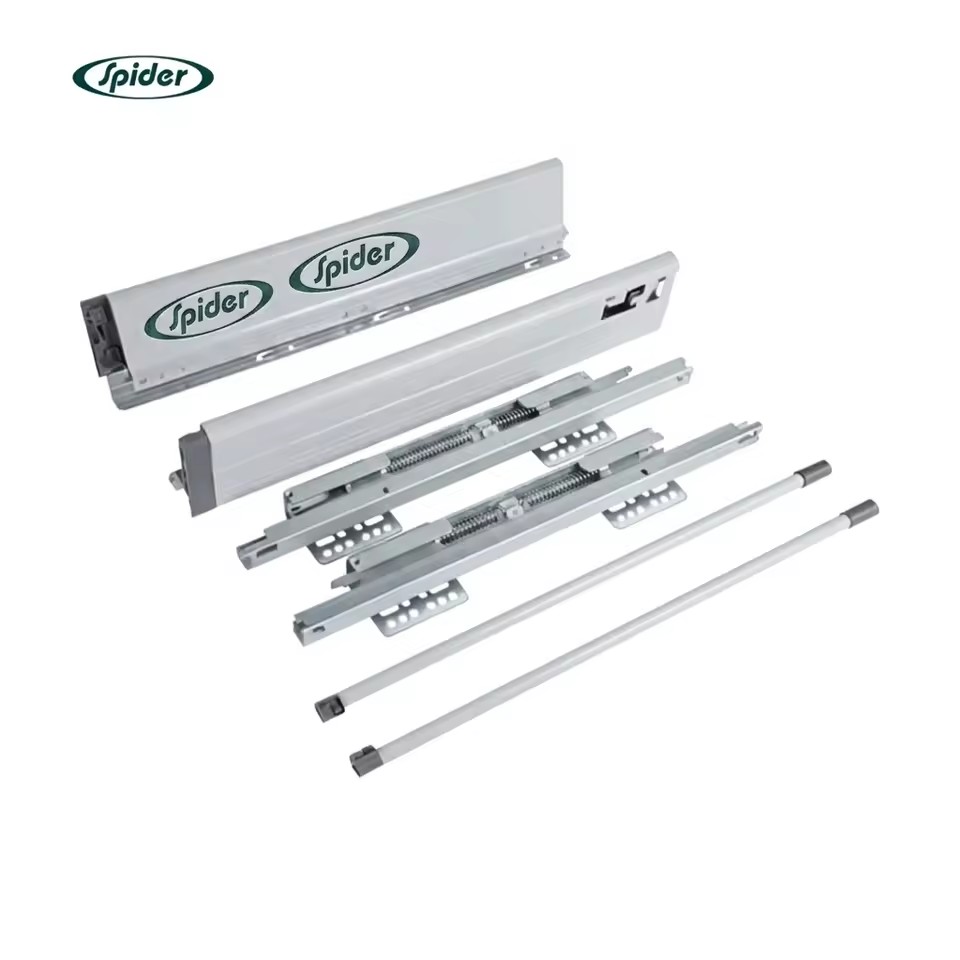
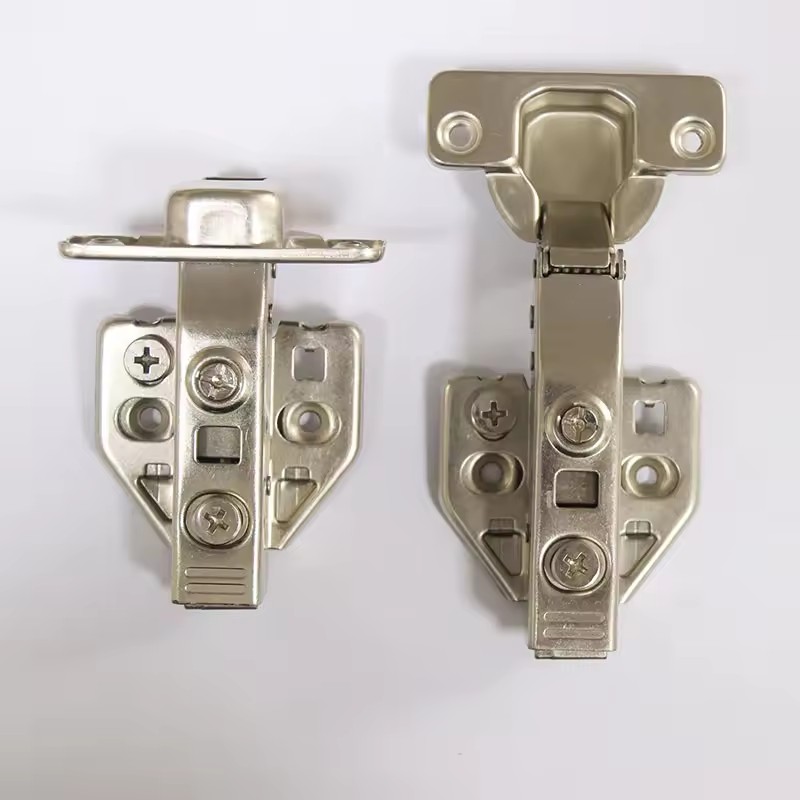
Consolidate your complete hardware inventory with one audited manufacturing partner: sliding door roller assemblies, concealed hinges, undermount slides, gas struts, cabinet handles, and leveling feet loaded in unified containers.