Engineered Hardware Systems for Mandalay Wholesalers & Joiners
Tested for humid-dry tropical climate cycles, multi-layer surface adhesion, and precision fitment across solid hardwood, marine plywood, and melamine carcases.
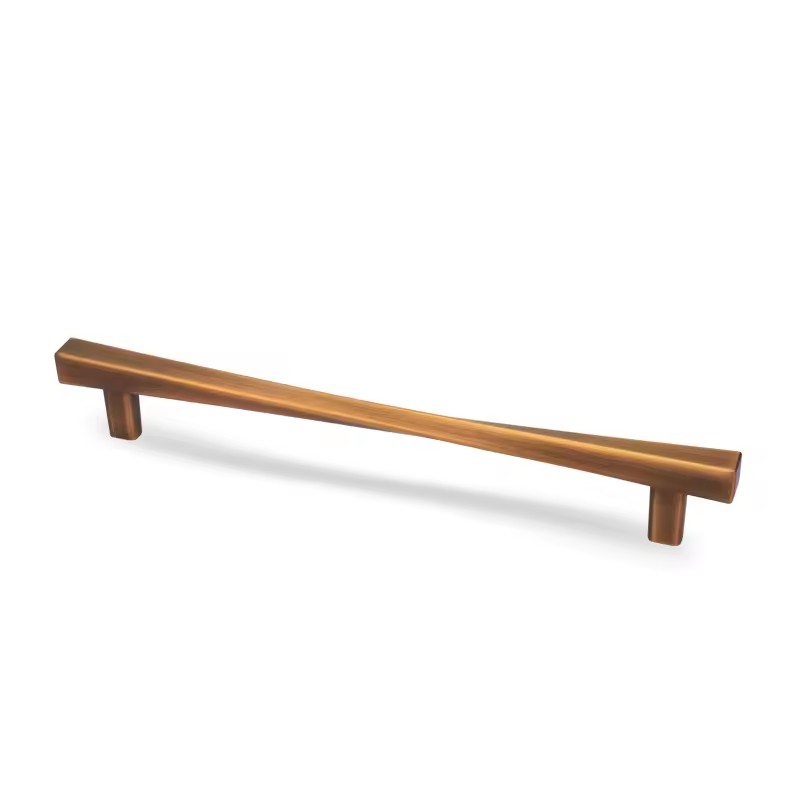
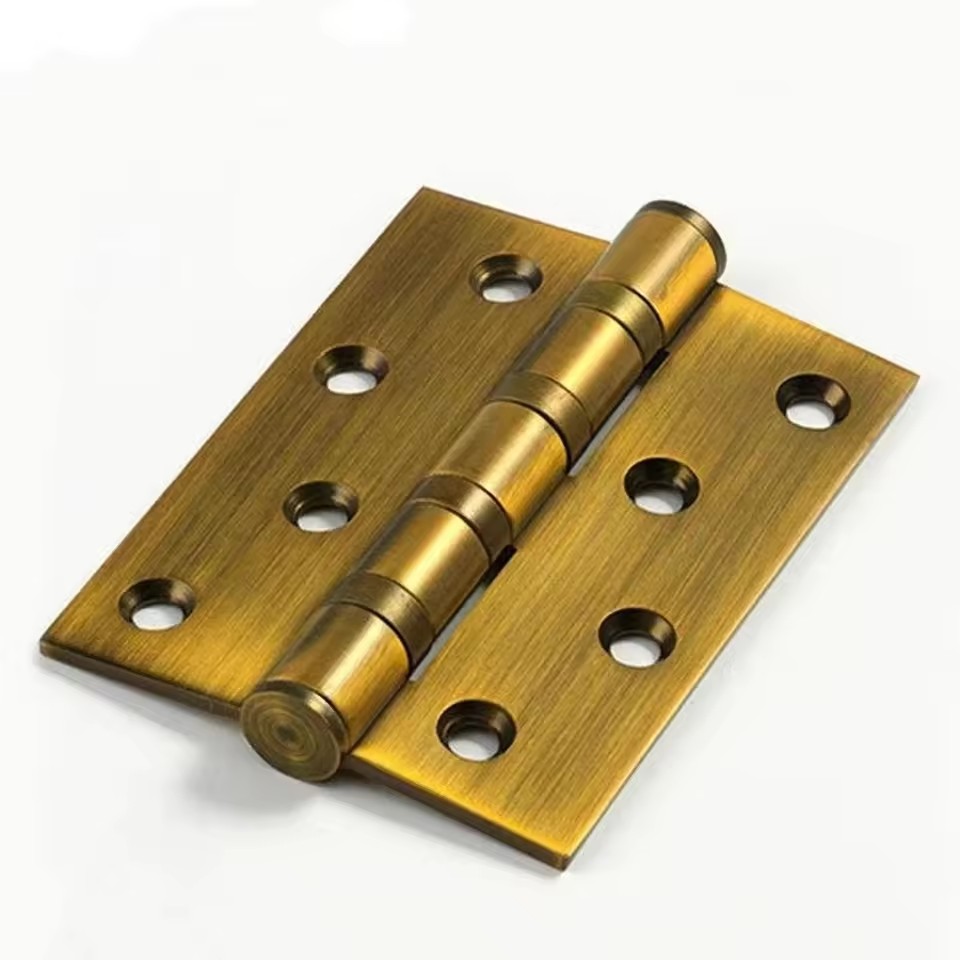
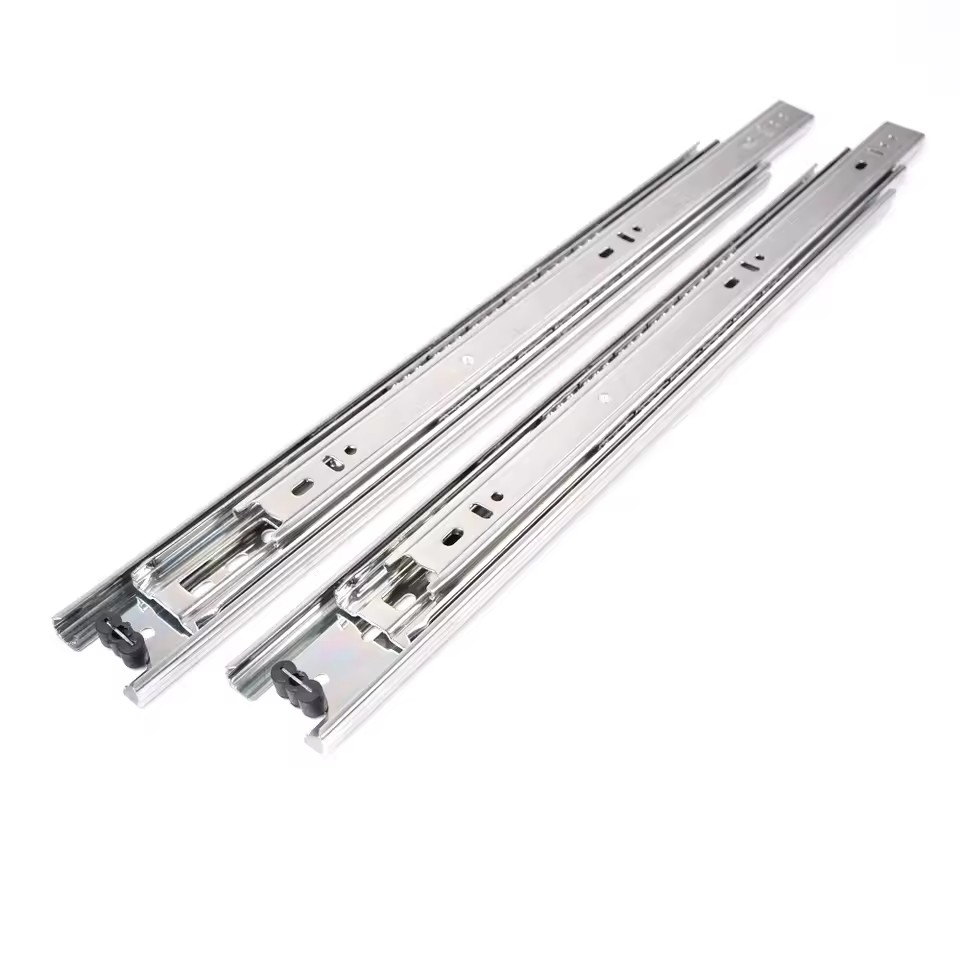
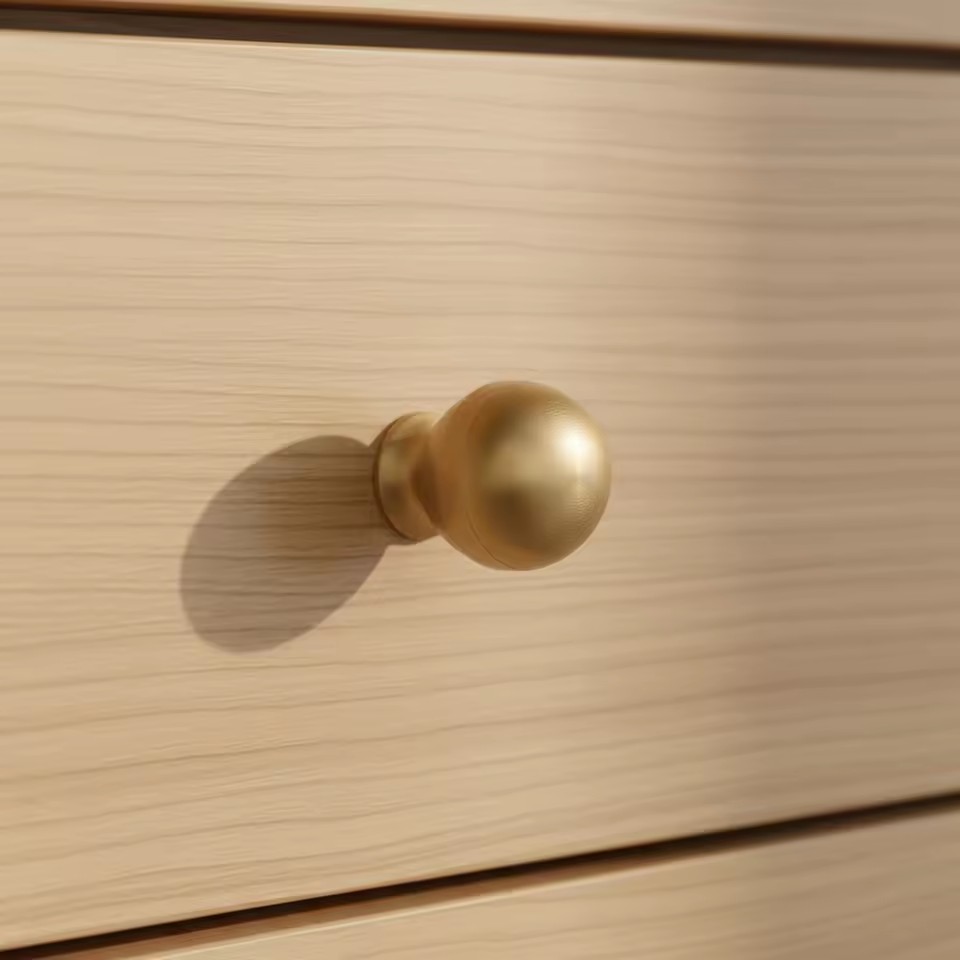
Engineering Specifications: Recessed Cabinet Handles Built for Tropical Climates
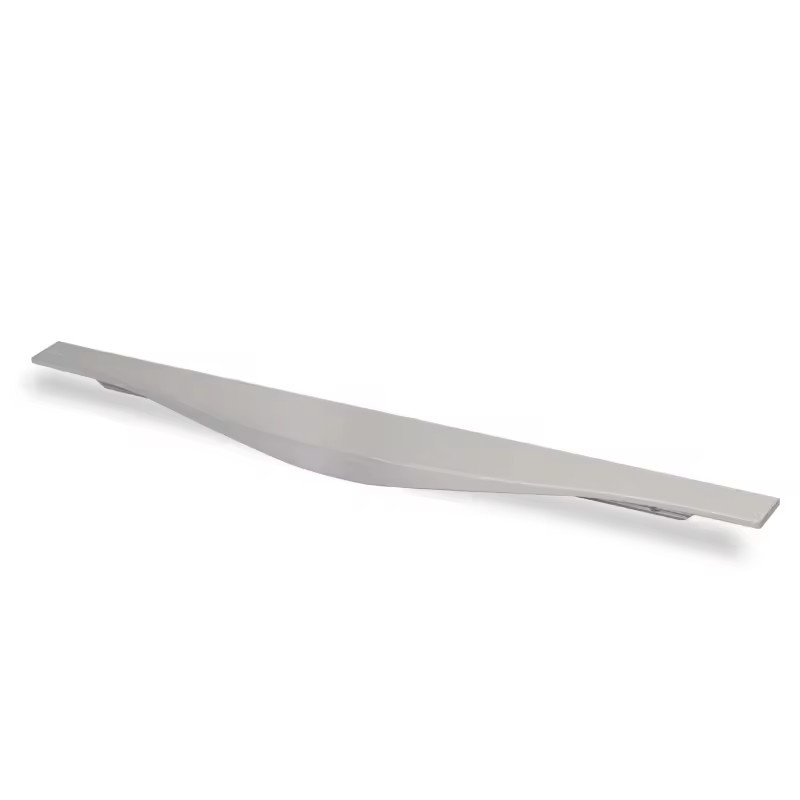
In architectural and bespoke cabinet manufacturing, recessed cabinet handles (frequently categorized as flush pulls, concealed edge profiles, J-pull channels, and mortise pocket handles) represent a specialized segment where dimensional tolerances directly dictate assembly labor costs. For the Mandalay market, which experiences a distinct semi-arid tropical savanna climate characterized by severe seasonal dust, summer temperatures exceeding 40°C, and relative humidity shifts from under 30% in March to over 85% during the monsoon period, conventional decorative surface coatings fail prematurely.
Guangzhou Jarkul Hardware Co., Ltd. produces recessed handles using high-pressure die-cast Zamak 3 and Zamak 5 zinc alloys, alongside architectural-grade extruded 6063-T5 aluminum profiles. In contrast to cheap recycled scrap alloys that develop surface pitting or structural embrittlement, our zinc die-casting operations maintain strict lead (≤0.005%) and tin limits. This prevents intergranular corrosion—a critical failure point in high-heat, high-humidity environments like Upper Myanmar.
Every batch of recessed handles undergoes a comprehensive multi-stage surface pre-treatment, including alkaline degreasing, acid etching, micro-polishing, and an electrolytic copper-nickel base coating before final PVD (Physical Vapor Deposition) or electrostatic powder coating. For our aluminum profile series, we execute a continuous vertical anodizing cycle establishing an oxide layer of 12 to 15 microns (μm), surpassing standard interior hardware thresholds (8 μm). This ensures that frequent contact with human skin oils, ambient dust abrasive forces, and household chemical detergents does not cause discoloration, peeling, or micro-scratching.
| Substrate Alloy | Tensile Strength (MPa) | Milling / Mortise Depth | Surface Treatment | ASTM B117 Neutral Salt Spray | Ideal Mandalay Application |
|---|---|---|---|---|---|
| Die-Cast Zamak 5 | 330 - 360 MPa | 10.5mm – 14.0mm Pocket | Multi-layer Electroplate / Matte Black | 96 Hours Verified (No Blistering) | Solid Teak & Hardwood Sliding Wardrobes |
| Extruded 6063-T5 Aluminum | 185 - 210 MPa | Continuous Edge / J-Pull kerf | 15μm Anodized / Brushed Titanium | 72 Hours Verified (SGS Grade) | Modular Kitchen MFC / Acrylic Fronts |
| Forged Architectural Brass | 380 - 440 MPa | Circular Flush Cup (Ø35-50mm) | PVD Sateen Champagne Gold | 120 Hours Continuous Testing | Luxury Colonial & Hotel Developments |
| AISI 304 Stainless Steel | 515 - 620 MPa | 9.0mm Ultra-thin Recessed Lip | Hairline Brushed Polish | 168 Hours Industrial Testing | Commercial Kitchens & Hospital Joinery |
By eliminating protruding hardware contours, flush recessed handles reduce transit damage during factory-to-site distribution across Myanmar's interior logistics network. Cabinet doors and pre-hung drawer units can be stacked flat with minimal packing clearance, optimizing freight volume per shipping crate.
Mandalay Market Realities: Joinery, Climate & Architecture
Strategic hardware engineering tailored to Upper Myanmar's raw materials, milling traditions, and commercial logistics.
Teak & Hardwood Mortise Integration
Mandalay remains the epicenter of Myanmar's hardwood processing, working with native Burma Teak (Tectona grandis), Padauk, and Tamalan. Natural hardwoods exhibit natural expansion and contraction coefficients across wet and dry seasons. Our recessed zinc handles feature reinforced perimeter fixing ribs and stepped flange profiles that accommodate micro-movements without stressing wood fibers or causing splitting along the grain lines.
Urban Residential & Hospitality Projects
From modern condominiums in Chanmyathazi Township to boutique resort developments in Pyin Oo Lwin and along the Ayeyarwady riverfront, interior designers demand minimalist aesthetics. Continuous J-pull edge profiles and recessed flush cups create flat, handle-free planes that keep dust out of drawer runners and hinge joints—an essential functional benefit in Mandalay’s dry-season dusty conditions.
Engineered Panels & Modular Cabinets
Modern furniture makers in the Industrial Zone are moving from manual carpentry to CNC panel processing using melamine-faced chipboard (MFC), MDF, and compact laminates. Jarkul's recessed profile handles feature standard 32mm system boring compatibility, calibrated back-lip clamping mechanisms, and clean router-bit mortise dimensions that fit automated panel manufacturing lines.
Cross-Border Trade Corridors, Packaging & Consolidation Logistics
B2B hardware procurement for Mandalay distributors, importers at Zegyo Market, and joinery project contractors involves complex trade routes. Sourcing through Guangzhou Jarkul Hardware Co., Ltd. provides distinct geographic and supply chain efficiencies. Operating from our manufacturing and logistics headquarters in Guangzhou, Guangdong, we support both overland multimodal transport via Yunnan (Ruili–Muse–Lashio–Mandalay corridor) and maritime container freight routing into Yangon Port with bonded bonded feeder transit to Upper Myanmar dry ports.
Eliminating Dead Freight via Mixed-Container Loading: Importers frequently face cash-flow strain when forced to buy single-product full container loads (FCL). Jarkul specializes in unified hardware consolidation. Within a single 20GP or 40HQ container, Mandalay buyers can consolidate:
- Concealed & Recessed Cabinet Handles: Anodized 6063-T5 aluminum J-profiles, Zamak flush pulls, modern flush edge mortise units.
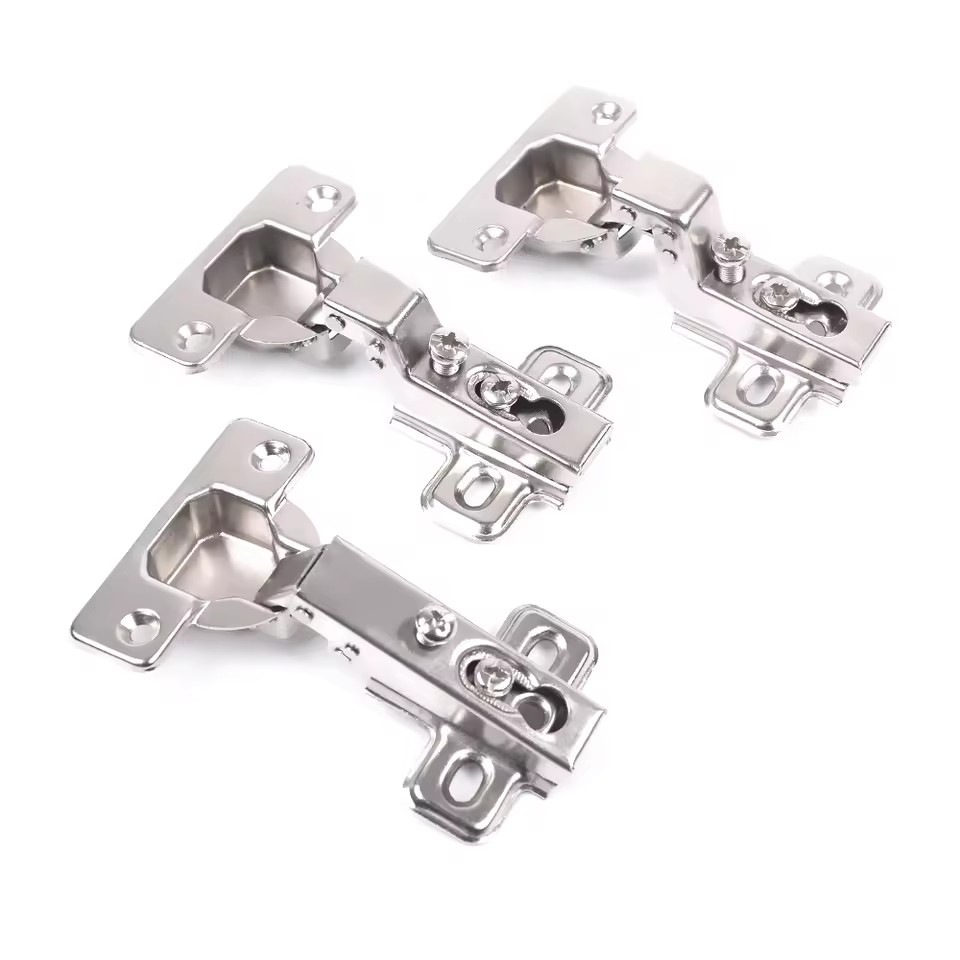
- Soft-Close Concealed Hinges: 35mm cup hydraulic damping hinges (cold-rolled steel or SS201/SS304 for wet kitchens).
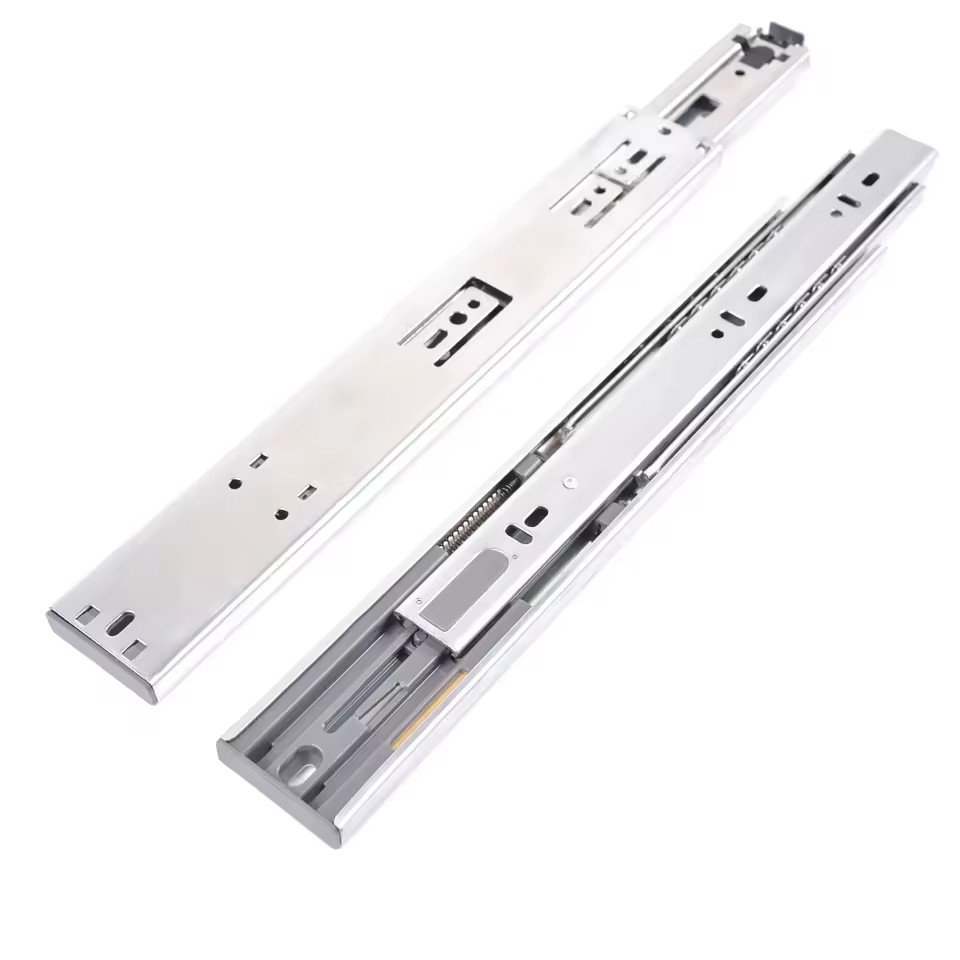
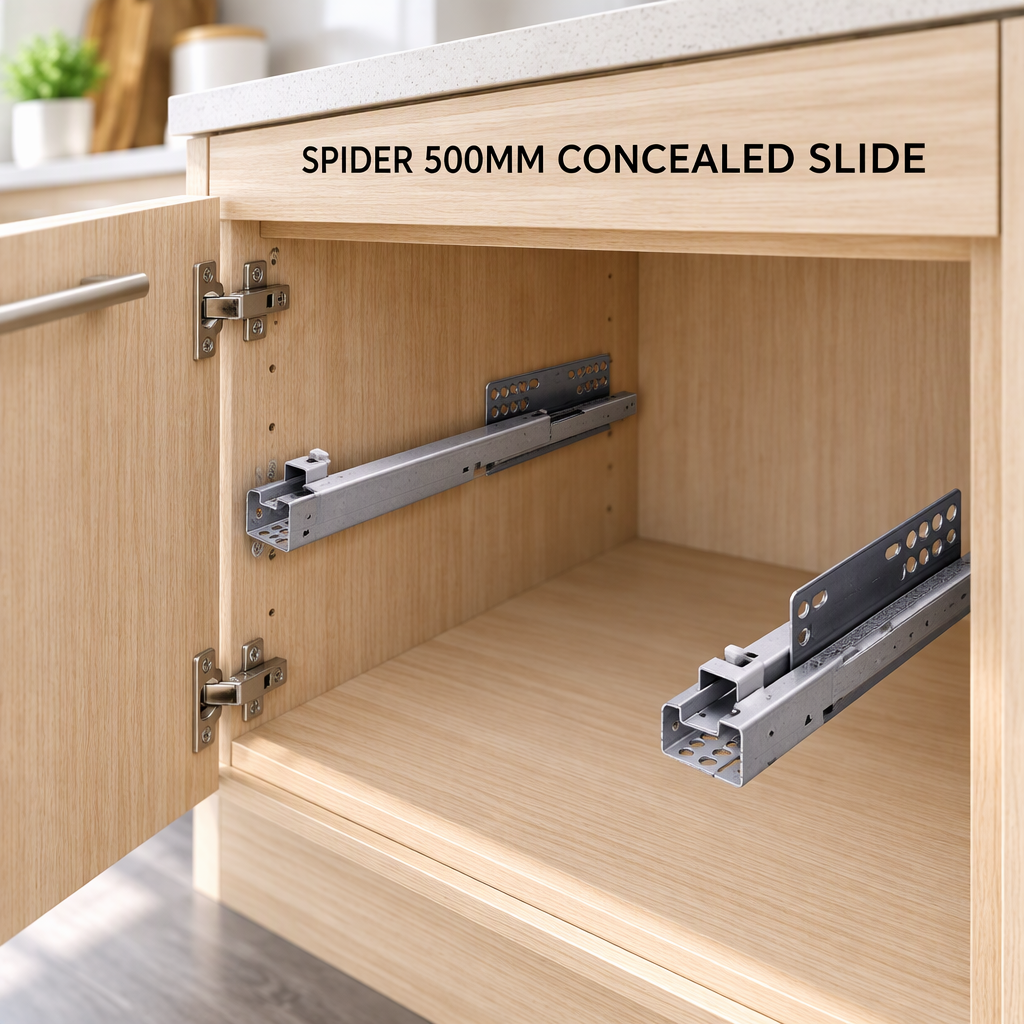
- Telescopic & Undermount Drawer Runners: 45mm cold-rolled ball-bearing slides and heavy-duty 500mm concealed runners.
- Architectural & Door Hardware: Ball-bearing butt hinges (4×3×3mm), gas spring lid-stays, and office drawer cam locks.
Monsoon-Grade Export Packaging: Given the humidity variations and transit vibration along national highway networks, our export packing follows industrial protection protocols. Each recessed handle is individually wrapped in anti-scratch pearl cotton or polybags to prevent abrasive rub. Master cartons are constructed from 5-layer heavy corrugated Kraft board (K=K grade), strapped with poly bands, and shrink-wrapped with moisture-barrier film on fumigated euro-pallets or direct container floor dunnage.
Milling, Routing & Mechanical Fastening Standards for Local Joiners
Clean installation of recessed handles requires precise mortising tolerances. When machining solid Burma Teak, multi-layer plywood, or medium-density fiberboard (MDF), woodworking facilities in Mandalay should observe our recommended manufacturing tolerances:
| Handle Profile Type | Recommended Router Bit | Mortise Depth Tolerance | Pocket Clearance (Length × Width) | Fastening Method |
|---|---|---|---|---|
| Circular Flush Cup (Ø35mm-Ø50mm) | Carbide Forstner bit or 2-flute CNC router | Depth +0.3mm / -0.0mm | Nominal +0.2mm diameter | Rear M4 machine screws or polyurethane adhesive |
| Rectangular Zamak Flush Pull | 12mm Downcut spiral CNC bit | Depth +0.5mm / -0.0mm | Nominal +0.4mm on perimeter | Countersunk wood screws or pressure-clamping studs |
| Continuous Top-Mount Aluminum J-Pull | Kerf slotting saw blade (2.8mm-3.0mm) | 10.0mm barb kerf depth | Continuous door panel length | Knock-in ribbed barb with MS polymer adhesive bead |
| Rear-Lip Semi-Concealed Handle | Standard pilot drill (for M4 screws) | No face mortising required | Flush with panel rear edge | Direct rear-screwed (16-18mm door panel thickness) |
For mass-production cabinet shops utilizing CNC routers (such as flat-bed nested routers common in Upper Myanmar industrial clusters), Guangzhou Jarkul Hardware supplies standardized DXF and CAD mortise vector files. This eliminates manual measurement errors, minimizes technician trial cuts, and ensures flush alignment across thousands of door leaves.
Why Work With Guangzhou Jarkul Hardware Co., Ltd.
Established in 2011 in the manufacturing hub of Guangzhou, Guangdong, China, Guangzhou Jarkul Hardware Co., Ltd. has spent over a decade perfecting the integration of furniture hardware research, mould development, automated assembly, and professional export compliance. With more than 91% of our gross output destined for overseas B2B markets, our operations are configured to handle international buyer requirements, third-party inspection audits, and container shipping deadlines.
15-Year Alibaba Record
Onsite-checked and audited supplier operations with transparent trading credit, zero-defect quality commitment, and verified production capacity.
Documented Performance
≤2-hour average response time on business days, 97.34% response rate, and an industry-leading 33% verified repeat reorder rate among professional importers.
OEM/ODM Customization
Private-label laser etching, custom finish plating, branded retail cartons, technical blueprint drafting, and rapid tooling prototyping.
Our Quality Control department operates a 4-tier inspection regime: raw material spectrographic assay upon warehouse arrival, in-process dimensional tolerance checks, cycle fatigue verification (50,000 to 100,000 open/close cycles on dampening mechanisms and slides), and pre-shipment salt-spray testing. Third-party SGS test reports and container pre-loading inspection logs are available for review prior to dispatch.
Frequently Asked Questions by Mandalay Hardware Importers
Direct engineering and commercial answers to resolve import concerns before placing your initial order.
Source Directly from Guangzhou's Verified Hardware Factory
Send your project schedule, bill of quantities (BOQ), or target product codes. Our dedicated export engineering team will review your specifications, prepare custom CAD blueprints, and provide landed pricing within 2 hours.