Specialist Concealed Cabinet Handles & Coordinated Functional Fittings
Direct manufacturer-to-trade architectural hardware tailored for contemporary British casework, handleless kitchen layouts, and heavy-duty commercial storage systems.
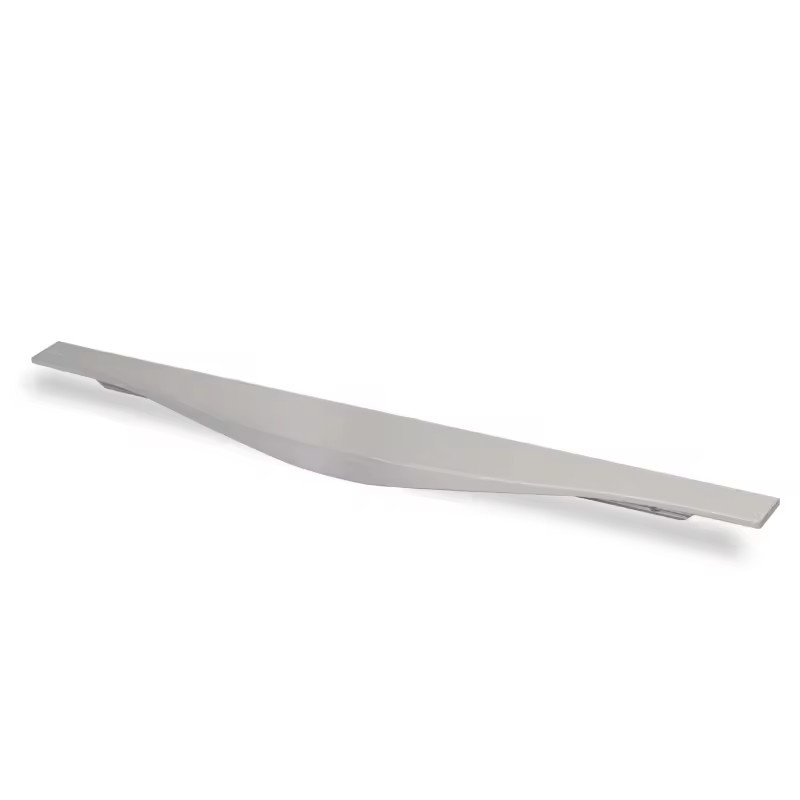
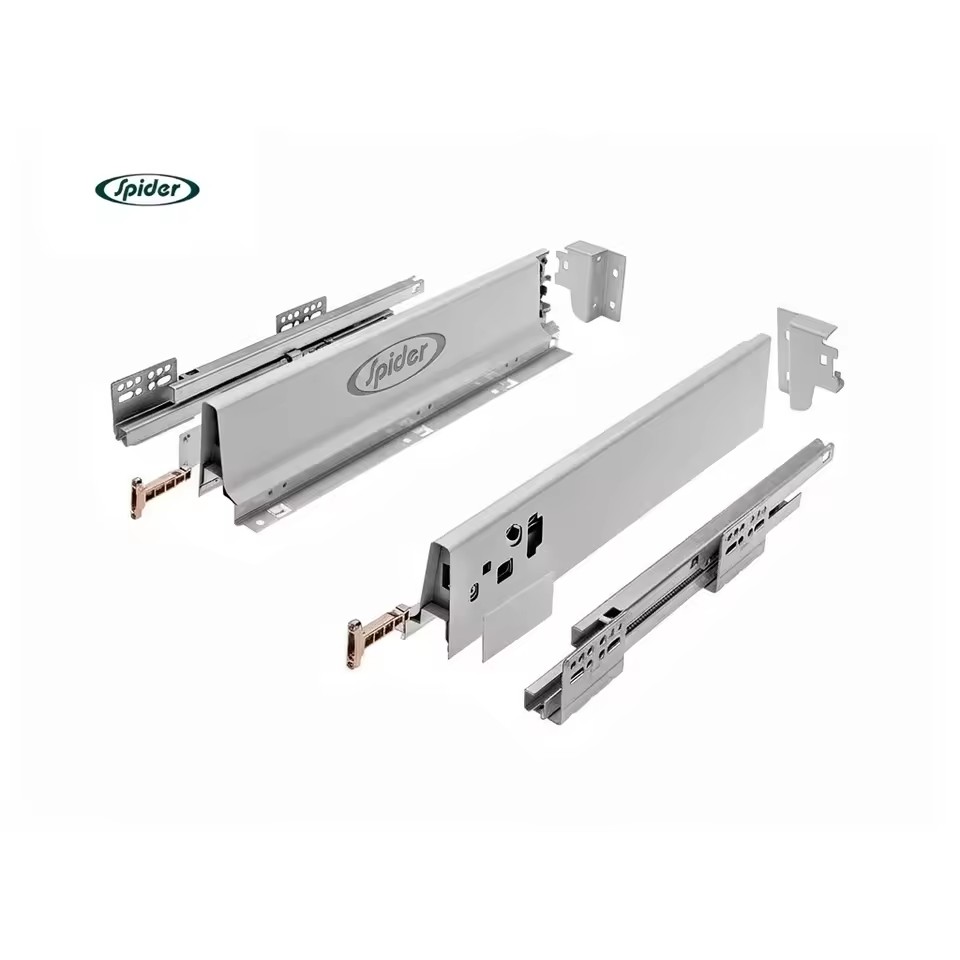
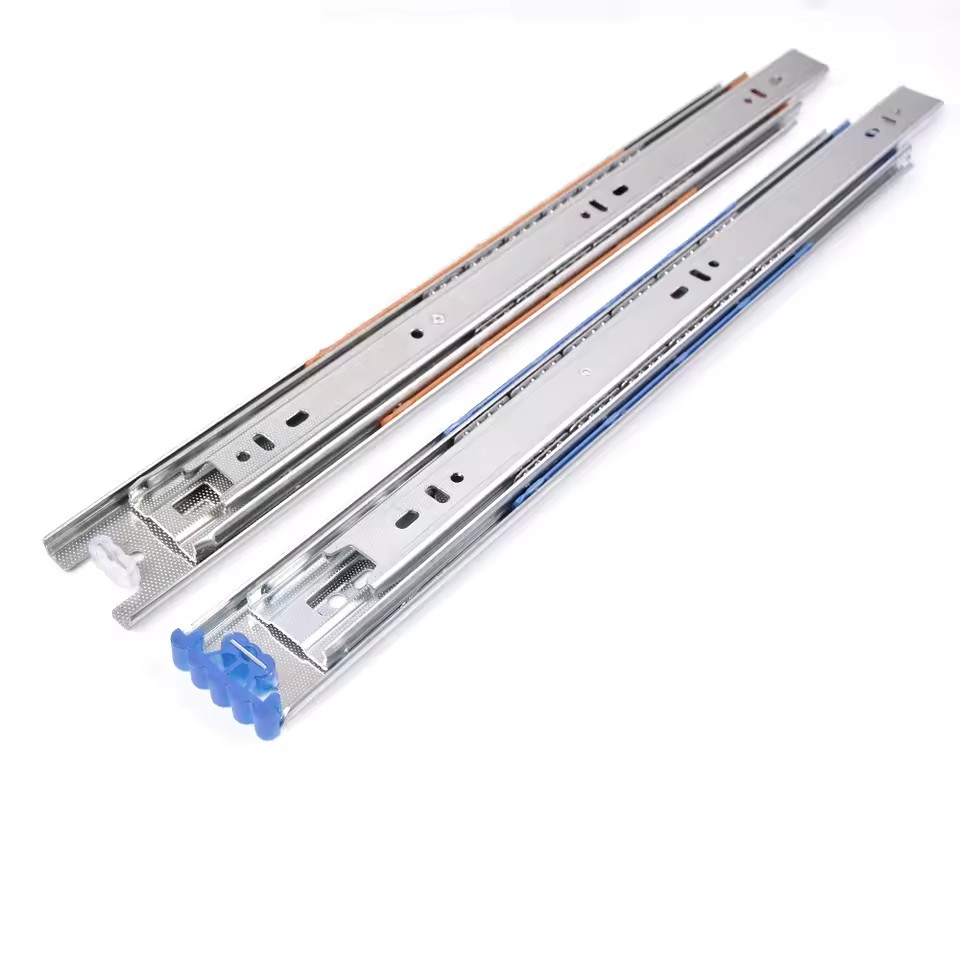
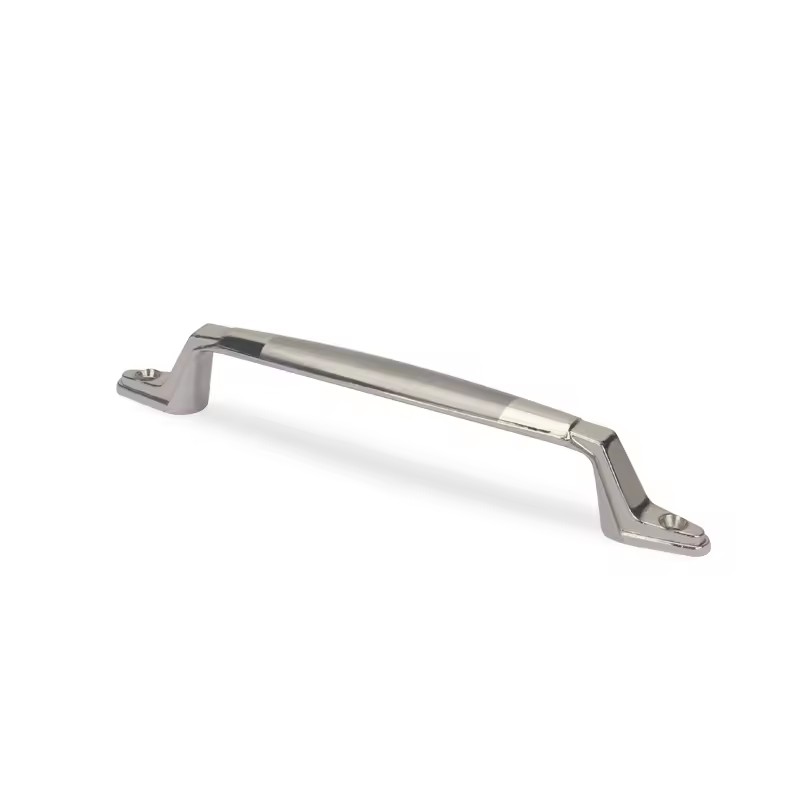
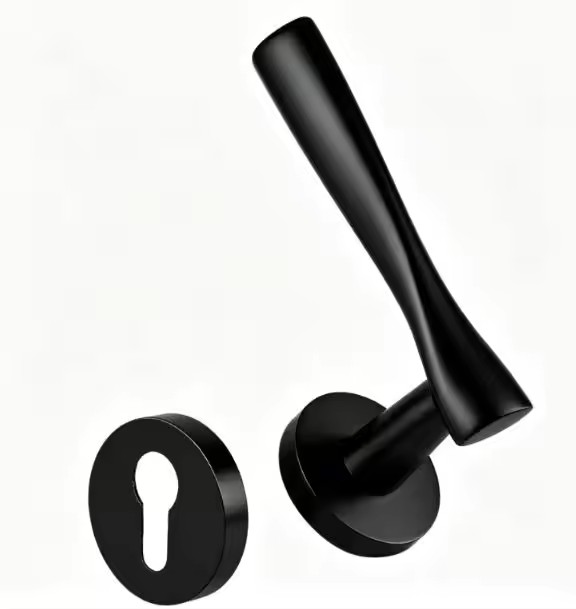
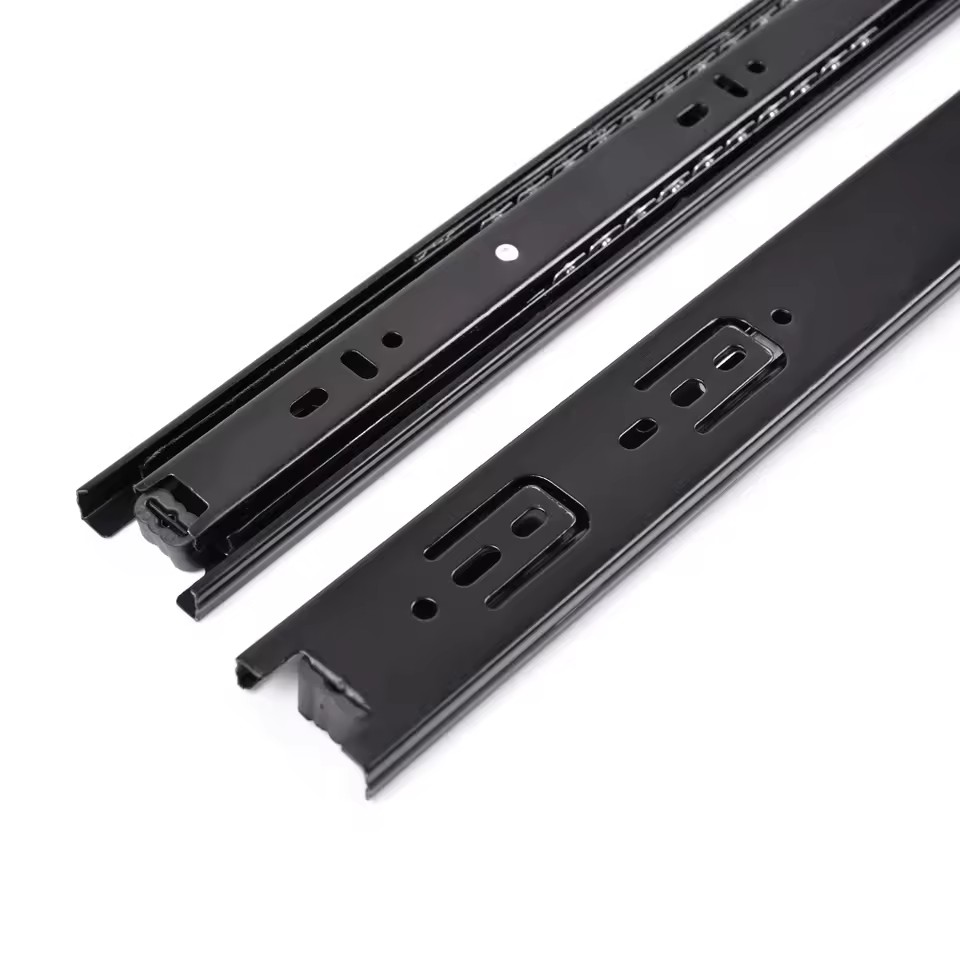
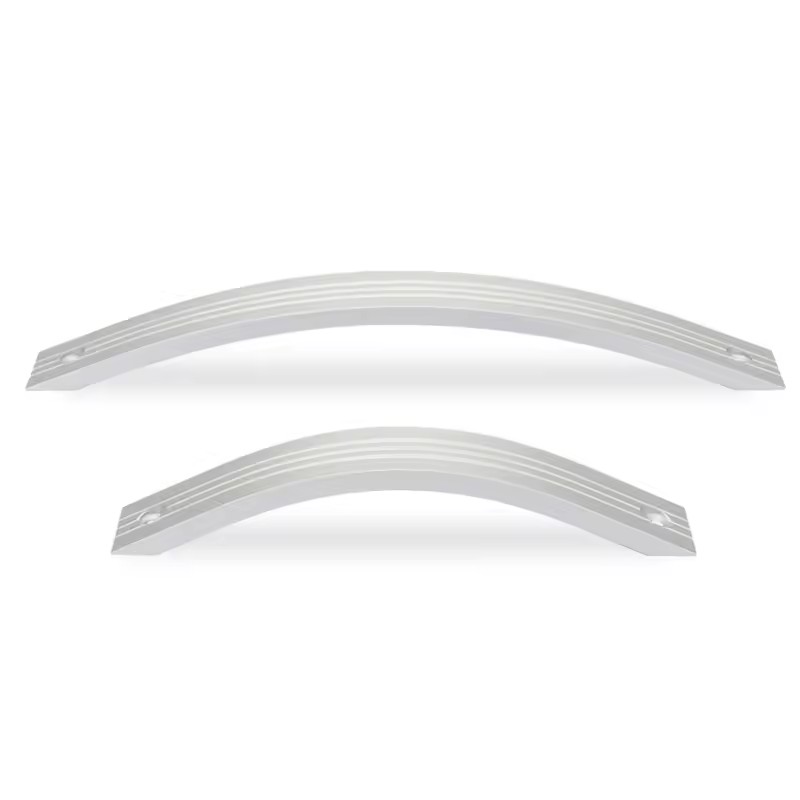
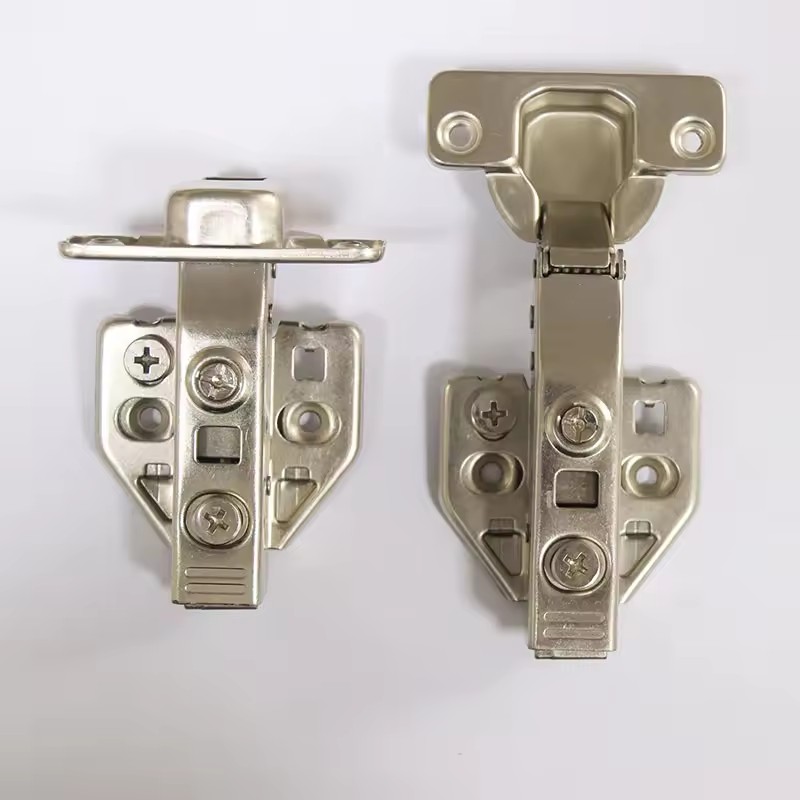
The Ergonomic & Metallurgical Engineering of Hidden Cabinet Handles
In the evolving discipline of architectural joinery, the specification of cabinet hardware has transitioned from decorative surface-mounted ornamentation to integrated, hidden ergonomics. A hidden cabinet handle—encompassing semi-concealed edge profiles, routed finger-pull channels, recessed flush cups, and continuous J-pull aluminum extrusions—demands stringent mechanical design. When supplying commercial developments and residential developers in maritime urban zones such as Liverpool, hardware performance requires an exact balance of tensile metallurgy, anodizing film depth, tactile clearance, and electrochemical corrosion resistance.
Concealed hardware operates on minimalist clearance dynamics. Unlike traditional handles that project 25mm to 35mm outwards into living volumes, hidden handles are recessed within the cabinet door perimeter or housed flush into machined rebates (typically 18mm to 22mm MDF, MFC, or solid timber substrates). This requires precision profile geometries where the finger-engagement lip features a calibrated 30-degree to 45-degree inward chamfer. This angle ensures natural grip purchase while maintaining sufficient wall thickness (≥1.2mm in structural 6063-T5 aluminum) to eliminate deflection during repeated dynamic loads up to 250 N across high-capacity kitchen drawers and heavy wardrobe panels.
Engineering Insight: Mersey Maritime Atmospheric Challenges
Liverpool’s urban coastal topography, bounded by the Mersey Estuary and the Irish Sea, introduces persistent elevated relative humidity coupled with airborne chlorides. Standard internal furniture hardware utilizing low-micron decorative flash coatings frequently suffers filiform corrosion and zinc pitting within 18 to 24 months. Jarkul Hardware engineers hidden handles using high-purity aluminum alloys subjected to anodic oxidation exceeding 15 microns (Grade AA15 per BS EN 12373-1) and die-cast Zamak-3 components undergoing 96-hour Neutral Salt Spray (NSS) validation per BS EN 1670 Grade 4 standards, guaranteeing lifelong aesthetic and structural integrity.
Localized Applications Across Liverpool’s Architectural Landscape
Liverpool represents one of the United Kingdom’s most dynamic architectural corridors, where historic industrial infrastructure, UNESCO-adjacent heritage properties, and modern waterfront high-rises intersect. The demand for hidden cabinet handles varies significantly across the city’s distinct construction and renovation sectors:
Baltic Triangle Loft Conversions
Warehouses and former industrial structures in L1/L8 redeveloped into creative studio apartments demand clean, industrial-minimalist cabinetry. Matte black extruded hidden profile handles installed horizontally across handleless island units provide an unobtrusive visual line, complementing exposed brickwork, steel beams, and polished concrete finishes.
Waterfront & Royal Albert Dock Resi-Units
Modern residential towers along Princes Dock and the Mersey waterside require maximum space optimization. Flush-recessed edge pulls prevent snagging in compact urban footprints, while marine-grade anodized coatings prevent tarnishing caused by direct saline exposure carried by estuary winds.
Georgian Quarter Heritage Restorations
Townhouse refits around Hope Street and Falkner Square often combine historic cornices with high-end contemporary interior kitchens. Subtly routed recessed brass pulls provide discreet functional access without introducing visual clutter that competes with historic architecture.
Liverpool ONE Commercial & Hospitality
High-traffic boutique hotels, retail display fitouts, and luxury student living accommodations in the Knowledge Quarter require robust, tamper-resistant recessed hardware. Concealed screws and structural alloy back-mountings resist aggressive daily cycling without loosening over time.
Joinery Hardware Evolution in the Northwest: Market Trends & Specifications
The interior joinery and casework manufacturing sector in Liverpool and the wider Merseyside region is experiencing a notable design transition. Driven by Scandinavian architectural principles and German system engineering, British homeowners and commercial developers are specifying uninterrupted facade planes. Several design and structural trends define procurement for the next decade:
Continuous Extrusion Gola & J-Pull Integration
Rather than individual cut-to-length handles, custom joiners are sourcing full 3-metre and 4-metre continuous profile rails. These anodized channels attach directly to the cabinet carcase behind the doors, allowing users to hook fingers behind the door lip. This completely eliminates front-facing hardware while simplifying cabinet assembly lines.
Micro-Textured PVD and Deep Matte Finishes
High-gloss chrome has declined across modern Merseyside specifications. Designers are adopting deep matte black electrophoretic treatments, brushed graphite, champagne gold, and brushed bronze PVD coatings. These multi-stage coatings prevent fingerprint residue while matching popular UK tapware and interior ironmongery palettes.
Acoustic Decoupling & Soft-Close Synergy
Because hidden handles often operate on smaller physical leverage radii, door release dynamics require seamless synergy with functional motion systems. Pairing integrated hidden pulls with low-resistance 3D hydraulic hinges and synchronized undermount slides ensures smooth door movement with zero rebound vibration or slamming noise.
Material Specification & Engineering Matrix for Hidden Handle Substrates
Procuring hardware for extensive residential schemes across Liverpool necessitates detailed compliance review against mechanical stress and environmental resilience:
| Profile Category | Material Substrate | Coating / Finish Depth | Tensile Strength (MPa) | NSS Salt Spray Rating | Standard British Applications |
|---|---|---|---|---|---|
| Continuous J-Pull Extrusion | Architectural 6063-T5 Alloy | Anodized ≥ 15µm (Matte/Satin) | 180 – 210 MPa | 120 Hours (Grade 4) | Handleless Island Benches, Full Run Base Units |
| Top-Mounted Recessed Edge Pull | Die-Cast Zinc Alloy (Zamak-3) | Multi-Layer Brushed Nickel / PVD | 280 – 310 MPa | 96 Hours (Grade 4) | Integrated Tall Wardrobes, Commercial Vanities |
| Rear-Screwed Lip Pull | Extruded Aluminum Profile | Electrophoretic Black / Gold | 160 – 190 MPa | 72 Hours (Grade 3) | Overhead Flap Units, Utility Room Cabinetry |
| Recessed Circular / Square Flush Cup | Forged Solid Brass / Zamak-5 | PVD Satin Lacquered / Bronzed | 320 – 380 MPa | 168 Hours (Grade 5) | Georgian Quarter Heritage Doors, Pocket Doors |
Guangzhou Jarkul Hardware Co., Ltd. Global Operations
Providing Liverpool importers, joinery contractors, and building suppliers with certified factory-direct reliability verified by independent onsite audits.
Direct OEM/ODM Advantages for UK & Merseyside Sourcing Teams
Navigating cross-border component procurement requires strict accountability across lead times, material composition, packaging durability, and delivery schedules. Founded in 2011, Guangzhou Jarkul Hardware Co., Ltd. operates with a B2B export discipline that ensures smooth cross-border freight handling:
Consolidated Container Capabilities
UK importers can consolidate hidden cabinet handles, 3D hydraulic hinges, ball-bearing drawer slides, gas springs, and levelling legs inside a single shipping container. This eliminates the operational cost of managing fragmented suppliers and significantly optimizes ocean freight cubic meter utilization.
SGS Testing & Batch Traceability
Our products are manufactured according to strict mechanical tolerances with accessible SGS third-party laboratory test reports. From aluminum alloy purity spectroscopy to 50,000-cycle mechanical fatigue testing on drawer slides and hinges, compliance with UK building fitout standards is fully documented.
Bespoke Tooling & Private Label Packaging
We support custom extrusion dies for unique handle cross-sections, specific centre-to-centre (CC) dimensions, laser-etched brand identities, and customized retail or trade packaging. Barcoding, outer carton drop-test compliance, and tailored shrink-wrap protection preserve finishes during sea transit.
Frequently Asked Questions for Liverpool & UK Importers
Key logistical, technical, and regulatory clarifications for UK joinery companies, fitout contractors, and trade hardware stockists.
Streamline Your Architectural Hardware Sourcing
Connect with our technical export engineers to request physical sample boxes, confirm CAD die dimensions, or receive a landed CIF Liverpool container proposal.
Get a Quote