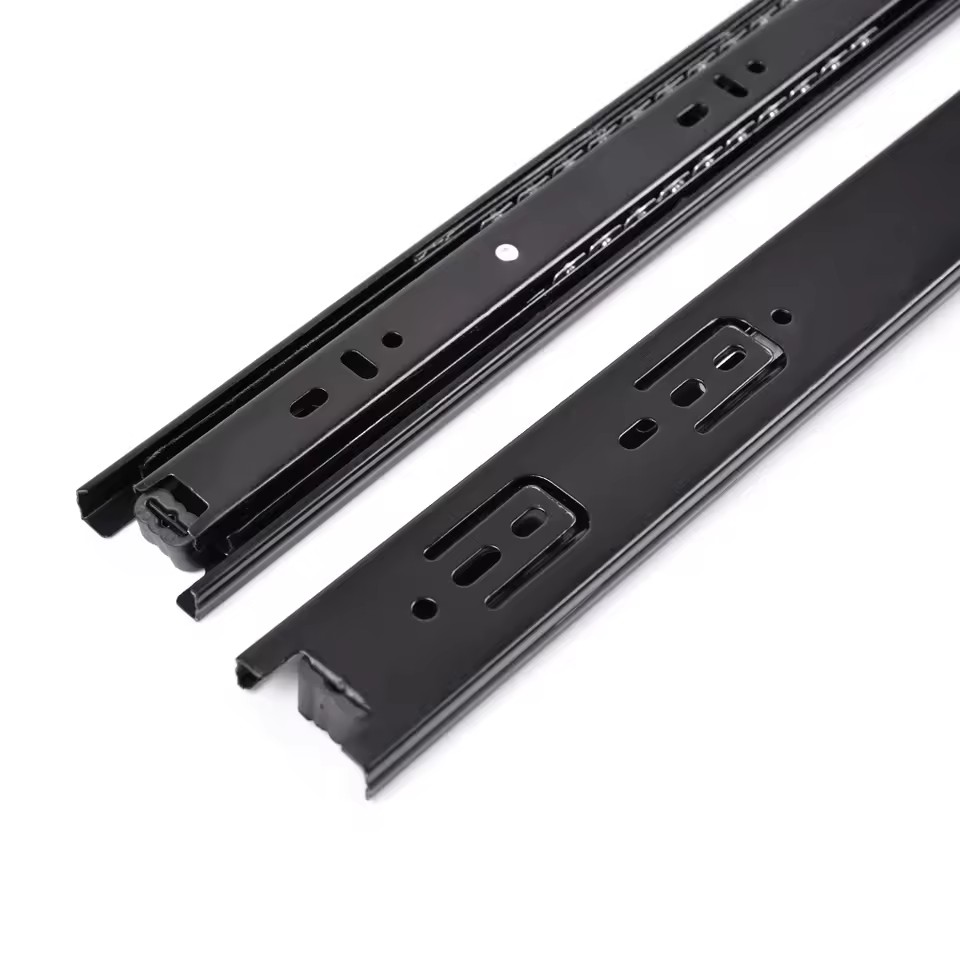
Black Coating Telescopic Channel Drawer Slides (45mm Ball Bearing)
Material: Cold-Rolled SPCC Steel
Finish: Electrophoretic Black
Rating: 45kg Dynamic Load
Engineered for high load-bearing endurance, seamless acoustic dampening, and aesthetic integration across luxury residential, commercial, and modular cabinetry installations.
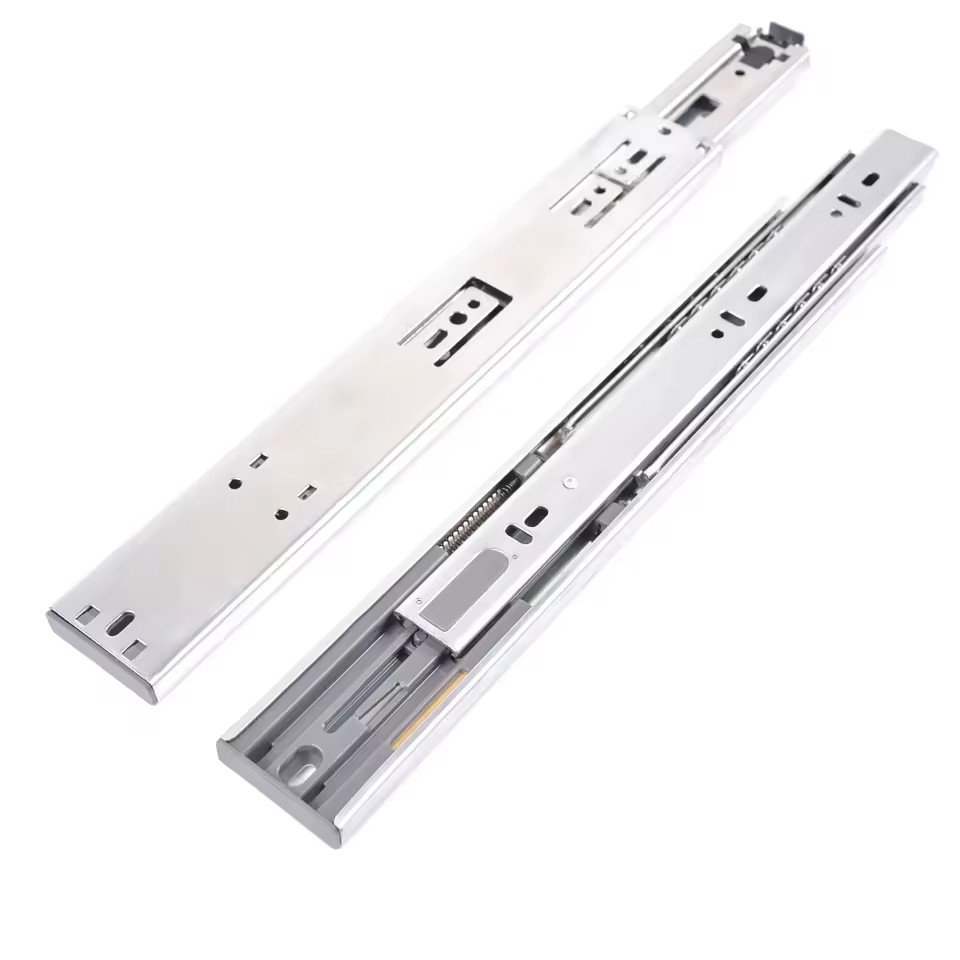
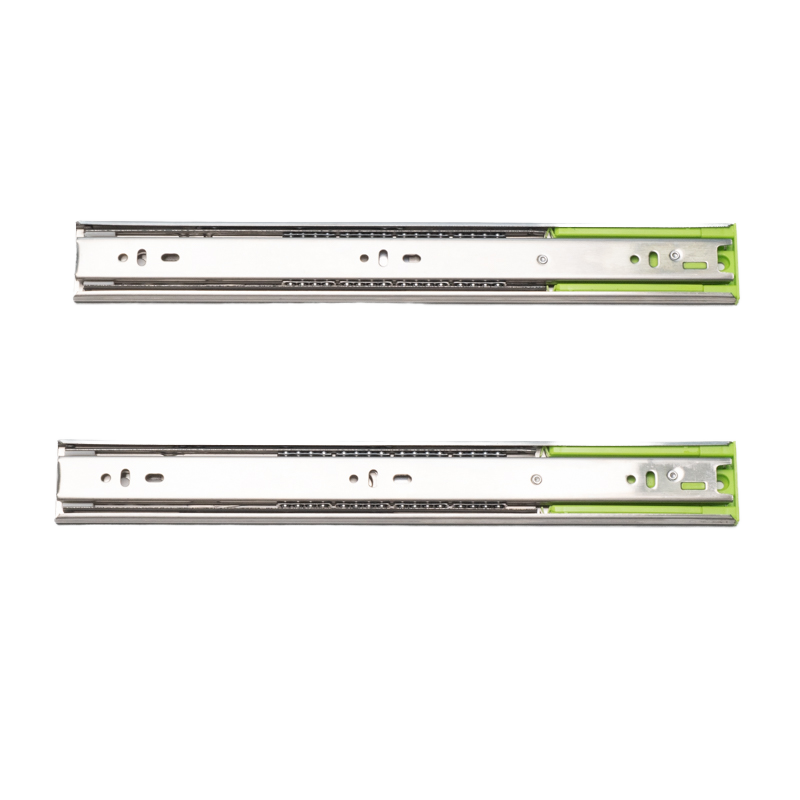
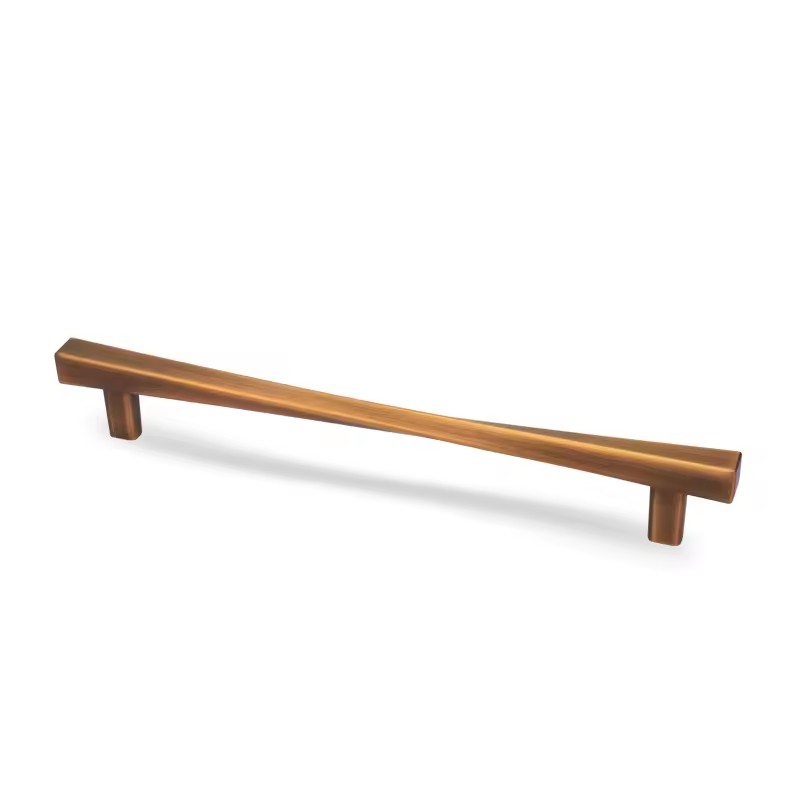
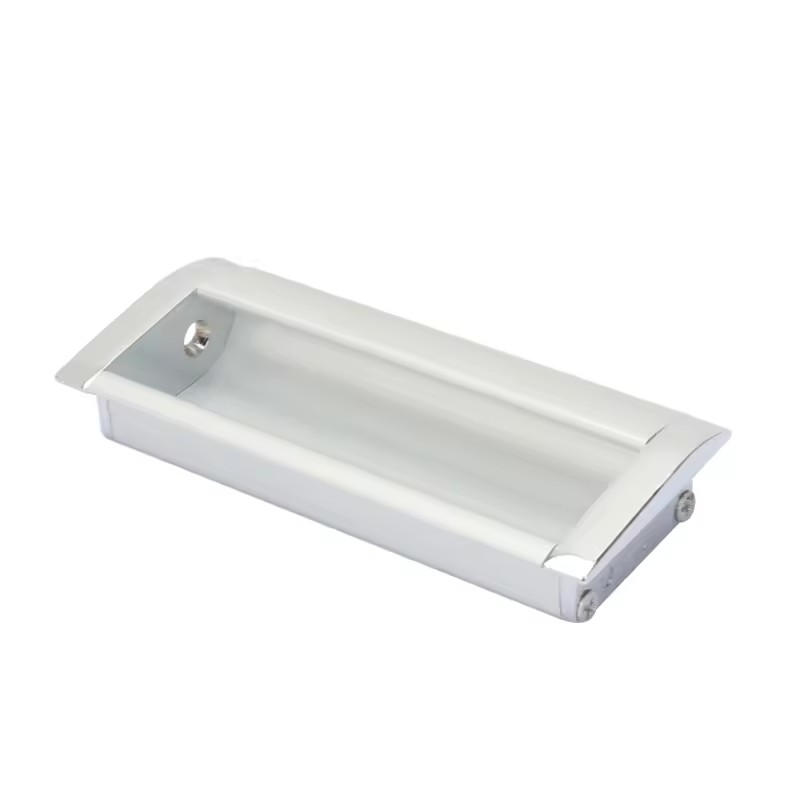
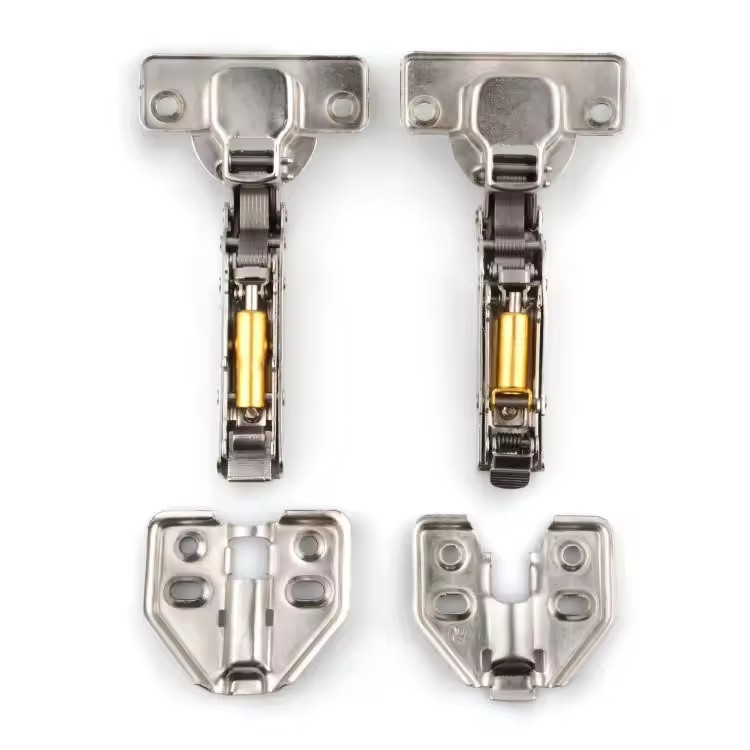
In modern luxury cabinetry, commercial millwork, and high-density residential developments, the functional demands placed on furniture hardware have shifted drastically. While traditional side-mounted ball bearing runners once commanded the high-volume market due to simpler manufacturing geometries, the global architectural sector overwhelmingly specifies undermount concealed drawer slides. The reasons extend beyond visual minimalism: undermount systems redistribute cantilevered gravitational stress directly to the structural carcass base, shielding dynamic components from ambient airborne debris and guaranteeing continuous alignment across decades of use.
High-performance undermount drawer slide mechanisms operate via synchronized inner and intermediate profiles. When a drawer box is pulled forward, rack-and-pinion or gear-assisted synchronizers within the runner members interlock the linear travel speed of both left and right rail channels. Without mechanical synchronization, irregular tugging from non-centered handles produces "racking"—an engineering state where the left and right rails advance at unequal velocities, inducing high frictional wear on ball cages and causing the drawer frontal to bind against the side gables.
At Guangzhou Jarkul Hardware Co., Ltd., cold roll-forming lines operate under continuous laser interferometric inspection. Profile clearances are maintained within a rigid ±0.03mm envelope. Slide members are engineered from premium cold-rolled galvanized steel strips (SGCC/SPCC), balancing elasticity with tensile yield strength (≥310 MPa) to resist permanent cyclic deformation under heavy static payloads (up to 45kg dynamic load rating).
The silent-close performance of premium undermount runners depends fundamentally on hydraulic cylinder mechanics. Our integrated dampeners utilize high-viscosity, silicone-based fluid formulated to exhibit a linear kinematic viscosity profile across temperatures ranging from -20°C to +60°C. In sub-zero northern European and Canadian climates, lower-grade hydraulic dampers seize or stiffen, while in hot Middle Eastern environments (such as the UAE and Saudi Arabia), low-grade mineral oils thin out, resulting in loud door impacts and early cylinder blowout.
By pairing an anti-leak double-lip polyurethane sealing ring with a precision nitrogen-assisted piston return spring, Jarkul undermount slides achieve acoustic attenuation under 38 decibels during self-closing closure cycles, meeting strict quiet-home standards and Class-A commercial hospitality certifications.
For structural engineers, furniture manufacturers, and procurement directors, evaluating slide topography requires cross-referencing clear performance parameters:
| Engineering Metric | Undermount Concealed Slide (Full Ext.) | Standard 45mm Ball Bearing Slide | Single Extension Undermount |
|---|---|---|---|
| Visual Concealment | 100% Invisible from Lateral Angles | Visible Metal Rails (12.7mm Gap / Side) | 100% Invisible from Lateral Angles |
| Lateral Gap Requirement | Negligible (Built Underneath Box) | 12.7mm ± 0.2mm per Side | Negligible (Built Underneath Box) |
| Dynamic Load Capacity | 30kg – 45kg Certified Dynamic | 25kg – 45kg Dynamic | 25kg – 30kg Dynamic |
| Micro-Adjustment Axis | 1D, 2D, 3D (Tool-Free Quick Clip) | 1D Slot Screw Oval Adjustment | 1D or 2D Clip-Assisted |
| Acoustic Deceleration | Hydraulic Fluid Damper (<38 dB) | Rubber Bumper or Basic Piston | Standard Mechanical Buffer |
| Particulate Contamination | Protected Beneath Drawer Substrate | High Susceptibility to Dust/Debris | Protected Beneath Drawer Substrate |
| Lifecycle Durability Standard | 60,000 to 100,000 ANSI/BIFMA Cycles | 30,000 to 50,000 Cycles Typical | 50,000 Cycles Standard |
Analyzing manufacturing innovations, material shifts, and functional demands shaping B2B sourcing strategies over the next five years.
The global design shift toward handleless, monolithic cabinetry has propelled the demand for hybrid mechanisms. Historical push-to-open slides suffered from abrupt recoils without dampening. Next-generation undermount runners integrate mechanical trip latches with internal hydraulic buffers, allowing light front tapping to actuate opening while retaining controlled, buffered damping on closing.
Field installation velocity dictates contractor overhead. Advanced quick-release locking devices (mounting clips) now feature high-precision eccentric thumbwheels providing independent vertical (±2mm), horizontal (±1.5mm), and depth (±2mm) micro-tuning. This allows rapid panel alignment on site without removing the drawer box or unfastening timber screws.
With stricter RoHS, REACH, and environmental ESG mandates across North America and the European Union, standard zinc electroplating is being replaced by trivalent chromium (Cr3+) electro-zinc coatings combined with nano-ceramic sealing. This delivers over 96 hours of ASTM B117 neutral salt spray corrosion resistance without hazardous heavy-metal runoff.
Combining 15 years of verified export competence, streamlined production workflows, and responsive customer-centric engineering support.
Products undergo certified testing for structural fatigue, cyclic endurance (50,000–80,000 cycles under load), and environmental salt spray resistance. Full batch verification reports are furnished prior to loading.
From custom steel thicknesses, specialized rail travel lengths (250mm–600mm), to laser-etched client branding and retail color packaging, our engineering cell implements custom tooling within 20 days.
Our Guangzhou export desk operates on an institutional commitment to respond to formal technical quotes, packaging specifications, and container stuffing plans within 2 hours during active business hours.
Supplying leading importers across North America, the UAE, Saudi Arabia, the UK, South Africa, Malaysia, India, and beyond. We support consolidated multi-SKU container loading (FOB/CIF/EXW).
Clear, direct technical and commercial answers regarding undermount drawer slide specifications, lead times, and factory QA.
Undermount drawer runners require specific clearances. Typically, the internal drawer box width equals internal cabinet carcass width minus 42mm (for 16mm side boards) or internal carcass width minus 38mm (for 15mm boards). Furthermore, a bottom recess depth of exactly 12mm–15mm beneath the drawer bottom panel is needed to clear the mechanical carriage runners.
Our in-house quality inspection center utilizes automated pneumatic cycle-test rigs. Random samples from each heat-treatment batch are loaded with 30kg or 45kg static weights and cycled at 0.25 m/s for 50,000 to 80,000 cycles. Slides must demonstrate zero component fracture, minimal wear on POM rollers, and dynamic dampening retention within 15% of initial baseline values.
For standard zinc-plated catalog products, low initial trial quantities (500 to 1,000 pairs) are supported to facilitate technical verification. For custom stamped client logos on runner profiles, custom-molded 3D plastic brackets, or full bespoke graphic carton packaging, standard batch production MOQ typically starts at 3,000 pairs per specification.
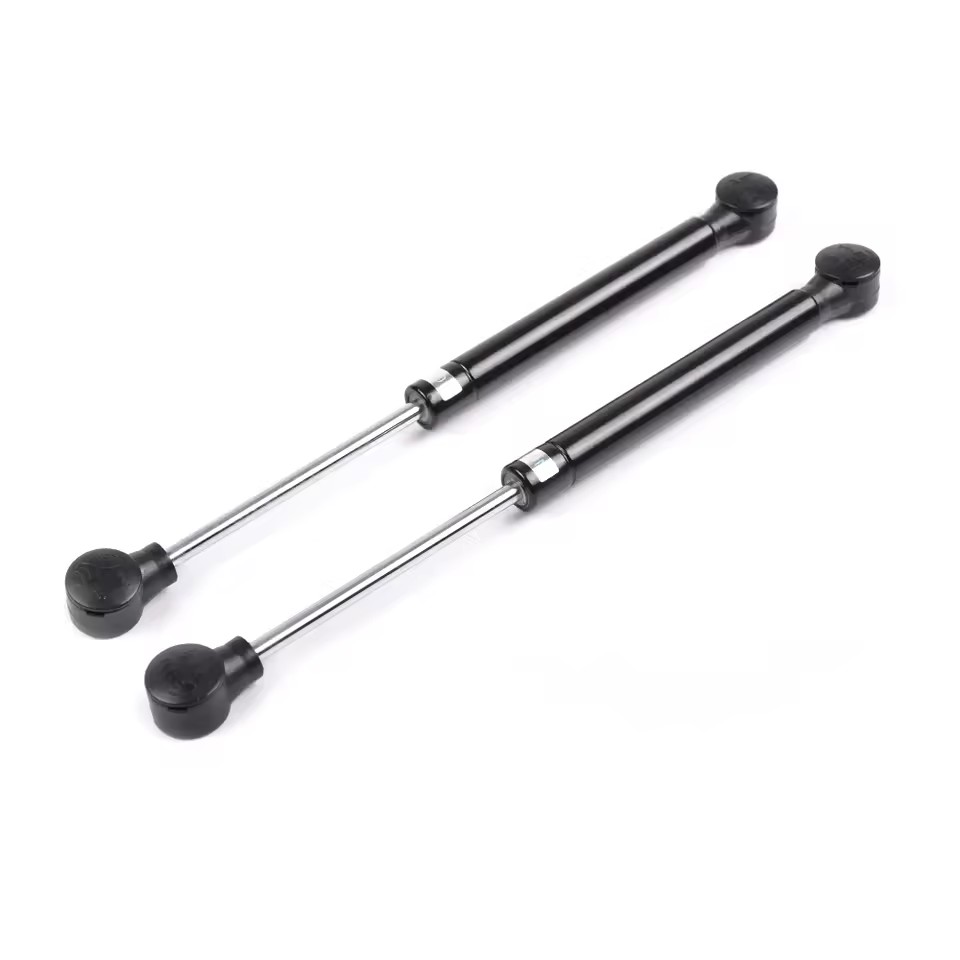
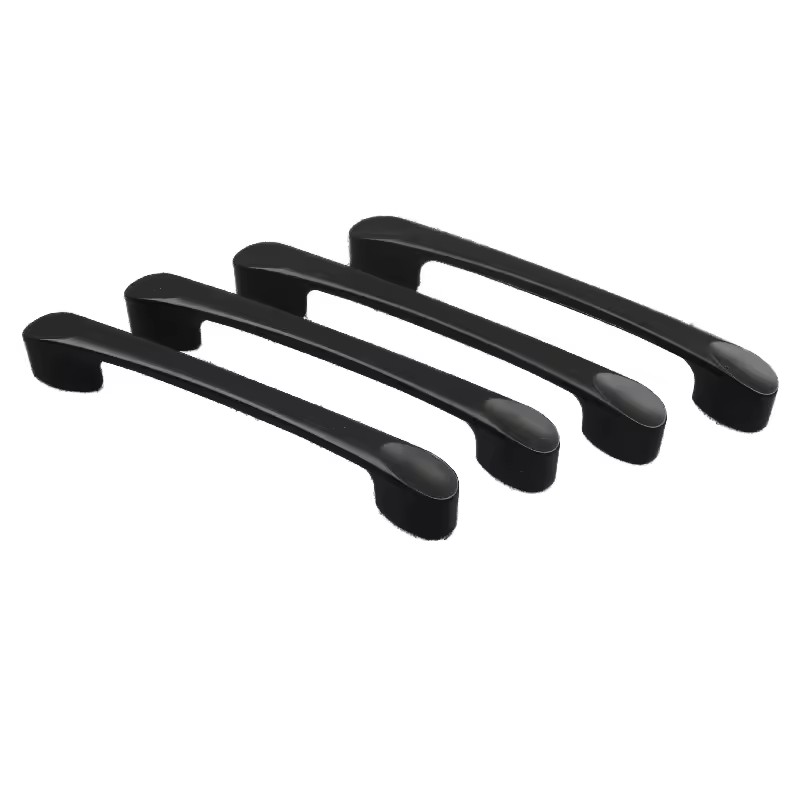
Yes. Over 85% of our overseas container shipments consist of consolidated orders. Importers take full advantage of our comprehensive product line by mixing concealed hinges, 45mm ball bearing slides, undermount runners, gas struts, and aluminum profile pulls in a single 20GP or 40HQ container, significantly reducing freight logistics and customs overhead.
We accommodate global trade standards including FOB (Guangzhou, Shenzhen, Foshan), CIF (destination port), and EXW. Standard international payment instruments include Wire Transfer (T/T), Letter of Credit (L/C at sight), D/P, and D/A for qualified long-term trading accounts, settled in USD, EUR, or CNY.
Physical sample units for functional evaluation, dimensional checks, and cycle testing are provided upon request. Slide pairs are dispatched via international courier (DHL, FedEx, UPS) along with detailed technical CAD drawings and installation drill-hole templates to streamline engineering approvals.