Engineered Cupboard Handles & Coordinated Hardware Matrix
Discover our tier-one architectural drawer pulls, concealed soft-closing hydraulic hinges, and precision telescopic slides designed for commercial millwork and export distribution.
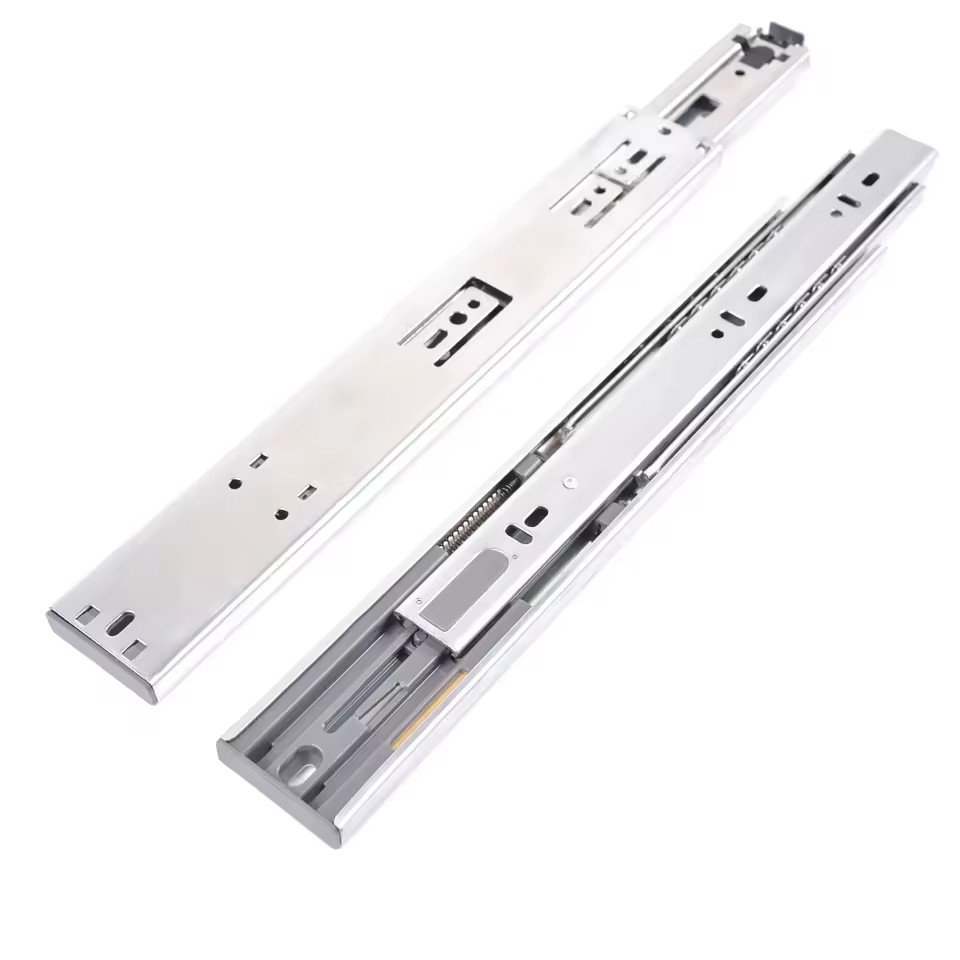
High Quality 45 mm Steel Drawer Slides Three Section Ball Bearing Rails Silent Run Cupboard Wardrobe Track for Apartment Kitchen
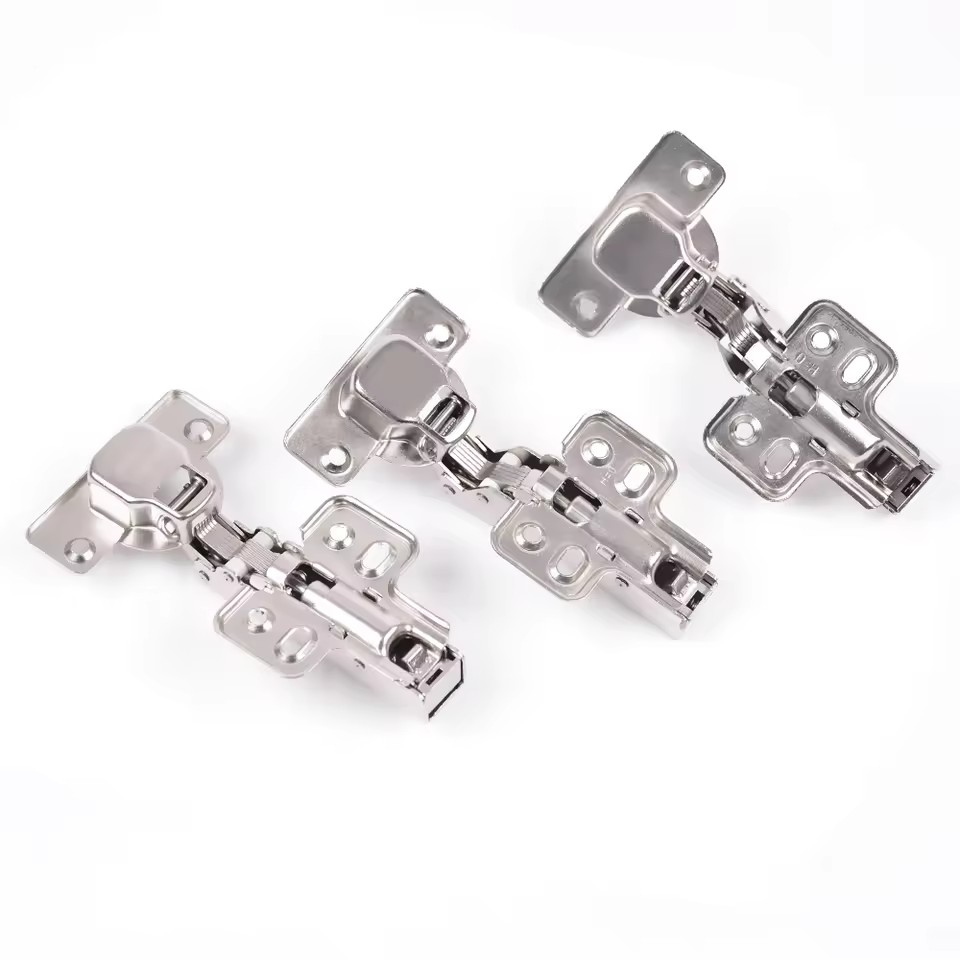
3D Adjustable Concealed Hydraulic Furniture Hinge Soft Closing Cabinet Door Invisible Hinge Factory Price Hardware Accessory
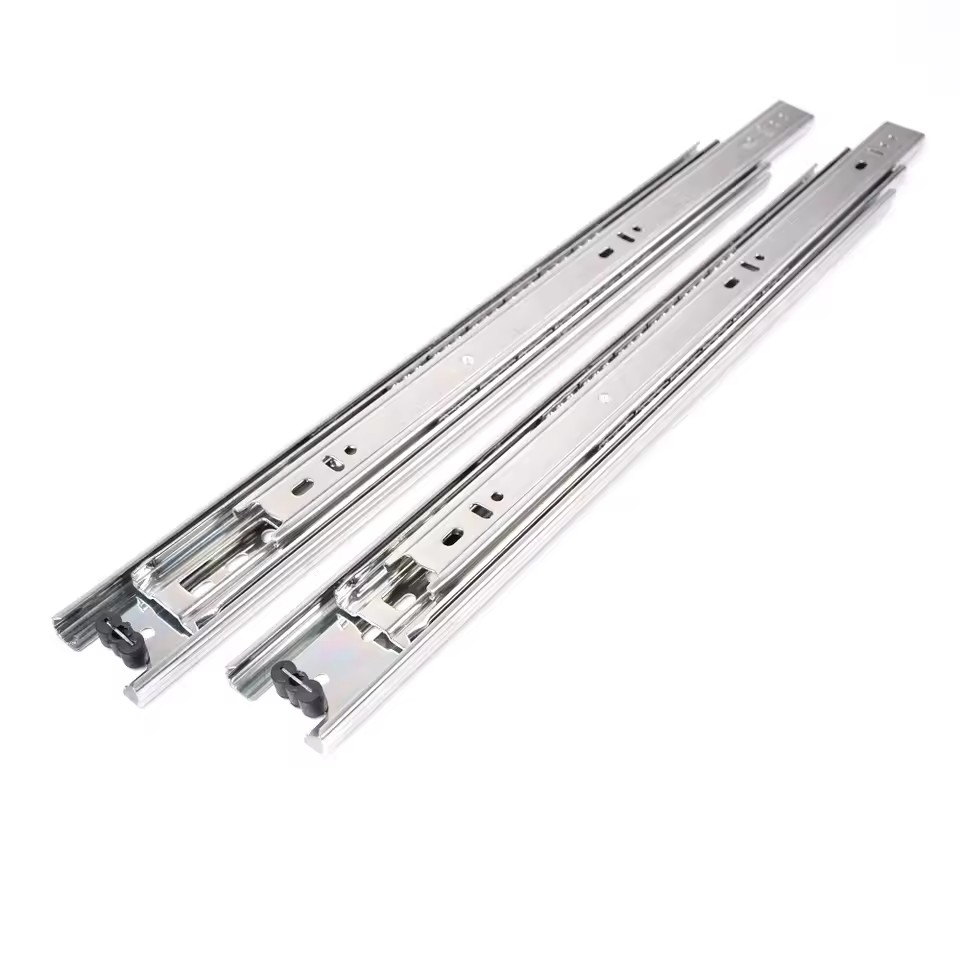
Telescopic Channel Sliders Soft Closing Drawer Slide Furniture Forty Five Millimeter Cold Rolled Steel Hardware Accessory
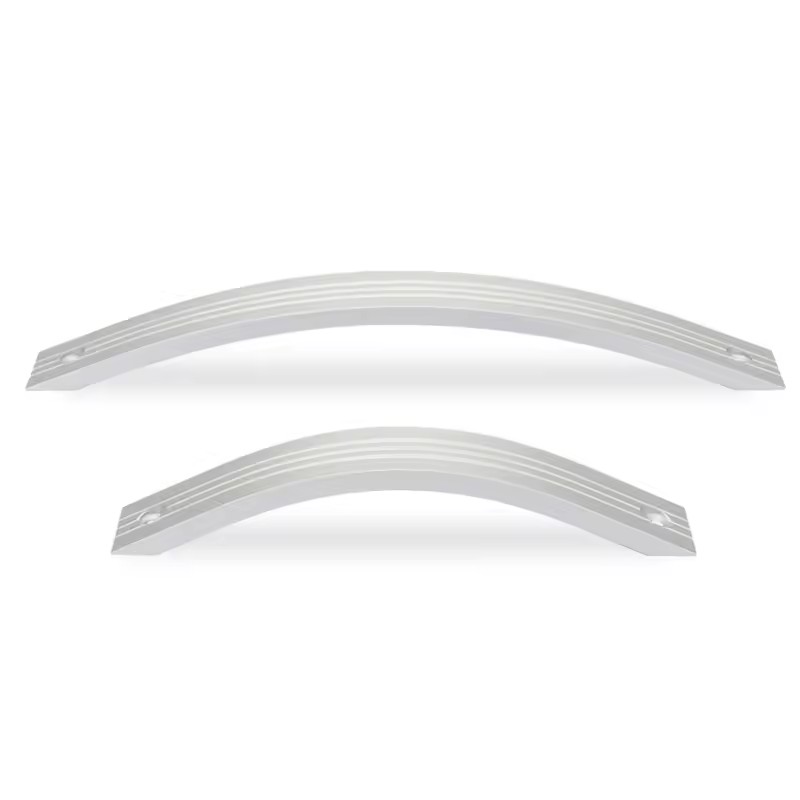
Kitchen Cabinets Door Pull OEM Furniture Hardware Aluminium Cabinet Handles Material Accessory Component Durable Sturdy
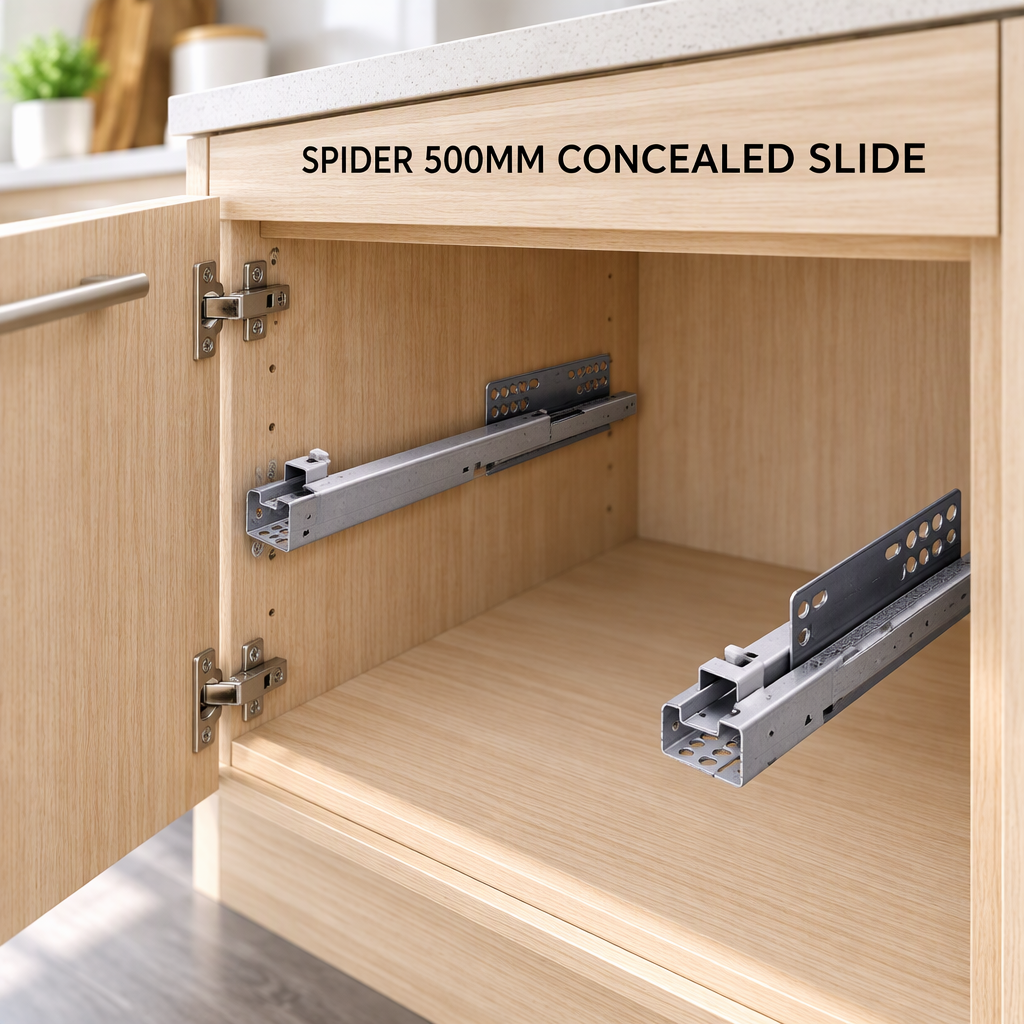
Spider 500mm Concealed Drawer Slides Full Extension Silent 45mm Cold Rolled Steel Heavy Duty Cabinet Runners
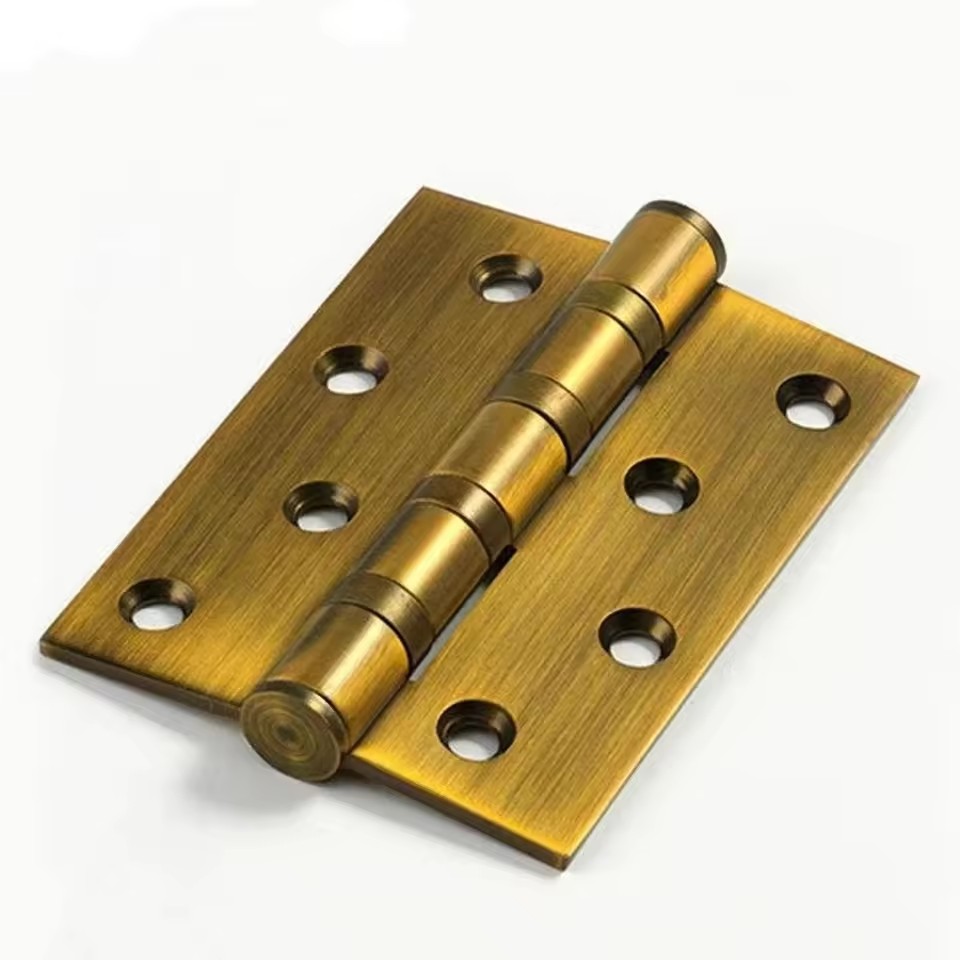
4*3*3mm SS201 Ball Bearing Door Hinge Hot Sale Design Door Hinge for Wooden Door Factory Direct Sales High End Configuration
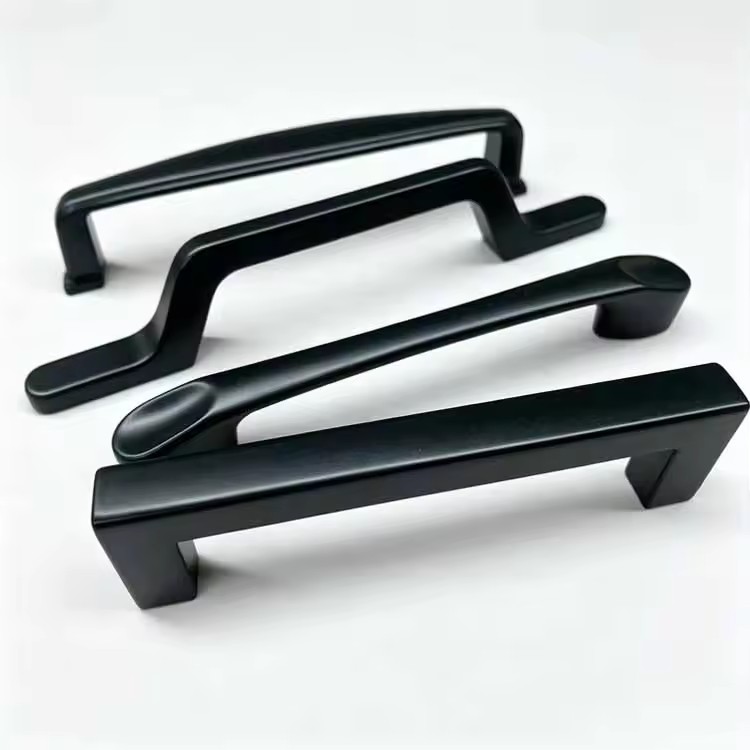
High Quality Modern Black Aluminum Square Kitchen Cabinet Door Pull Handles for Dresser Hotel Wardrobe Use Durable Easy
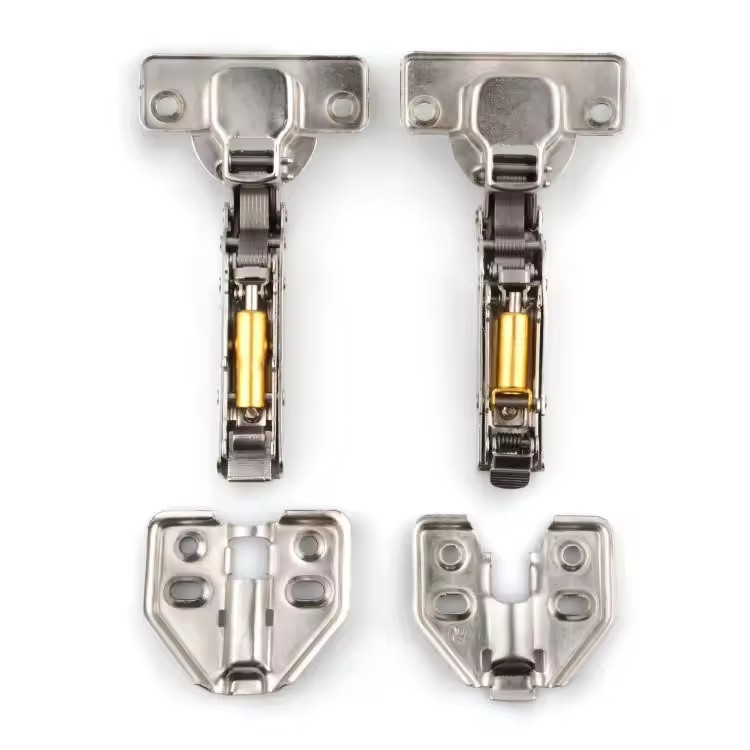
Soft Close Auto Adjustable Hydraulic Thirty Five Millimeter Durable Easy Installation Cold Rolled Steel Concealed Traditional
Average In-House Response Time
Inquiry Resolution Rate
Repeat B2B Buyer Retention Rate
Global Export Destination Nations
Cupboard Handle Metallurgy: Precision Die-Casting & Extrusion Engineering
Architectural cupboard handles serve as the primary tactile interface between human interaction and cabinetry durability. A deep technical breakdown of substrate metallurgy, tensile resilience, and surface passivation.
1. Substrate Selection: Extruded 6063 Aluminum vs. Zamak-3 Zinc Alloy vs. Stainless Steel
In high-volume commercial furniture production, material choice directly dictates structural deflection rates, screw-pull retention, and environmental corrosion resistance. Guangzhou Jarkul Hardware deploys three core metallurgy streams engineered to satisfy stringent B2B specifications:
Aero-Grade 6063-T5 Extruded Aluminum: Designed primarily for linear edge pulls, concealed J-pull profiles, and modern Gola systems. Aluminum 6063 undergoes precision continuous billet extrusion followed by high-temperature precipitation heat treatment to achieve a Rockwell hardness of 42-48 HRB. This ensures minimal bowing across continuous pulls up to 3,000mm in length, providing an optimal strength-to-weight ratio for oversized wardrobe doors.
Zamak-3 Die-Cast Zinc Alloy: The premier standard for decorative, ergonomic, and contoured pull handles. Composed of 96% pure zinc, 4% aluminum, and micro-traces of copper and magnesium, Zamak-3 allows high-velocity hydraulic injection molding down to +/-0.05mm tolerance. The ultra-dense crystal structure eliminates internal porosity, enabling flawless specular polishing, knurling textures, and complex geometric styling that cannot be achieved via aluminum extrusion.
Austenitic Stainless Steel (SUS304 vs. SS201): Utilized predominantly in commercial hospitality, marine projects, and healthcare installations. SUS304 features 18% chromium and 8% nickel, creating a self-passivating chromium-oxide surface film that permanently prevents ferric oxidation in coastal or high-humidity environments.
“Engineering Notice: B2B procurement failures in cabinet pull hardware commonly trace back to improper die-casting cooling cycles leading to sub-surface porosity. When acid copper electroplating is applied over micro-porous zinc alloy, internal outgassing causes premature blistering within 6 to 12 months. Jarkul employs vacuum-assisted high-pressure die casting to ensure 99.8% structural density.”
| Alloy / Specification | Tensile Strength (MPa) | Hardness Rating | Neutral Salt Spray (ASTM B117) | Primary Industrial Use-Case | OEM Customization Vector |
|---|---|---|---|---|---|
| 6063-T5 Aluminum Extrusion | 190 - 240 MPa | Webster ≥ 10 HW | 96 - 120 Hours (Anodized) | Full-height wardrobe pulls, edge-mounted profiles | Custom Die Cut-to-Length |
| Zamak-3 High-Pressure Zinc | 280 - 330 MPa | Brinell 82 HB | 72 - 96 Hours (Acid Copper Plated) | Luxury decorative, ergonomic pull handles, knurled knobs | Rapid Tooling & 3D Modeling |
| SUS304 Marine Stainless Steel | 515 - 620 MPa | Rockwell B 70-90 HRB | > 240 Hours (Passivated) | Hospitality kitchens, healthcare units, institutional labs | PVD Titanium Nitride Coating |
| SS201 Standard Stainless Steel | 480 - 550 MPa | Rockwell B 80-95 HRB | 48 - 72 Hours (Standard Finish) | High-turnover multi-family housing, residential apartment millwork | Cost-Optimized Batch Runs |
Future Procurement Trends in Cupboard Handles & Furniture Hardware (2025–2030)
How evolving architectural specifications, anti-microbial demands, and automated supply chains are reshaping high-volume hardware procurement worldwide.
Minimalist Continuous Edge Pulls & Integrated Gola Profiles
Global interior design paradigms are transitioning from surface-mounted projecting knobs to continuous aluminum extrusion profiles. Edge-mounted J-pulls and integrated horizontal C/L-shape Gola systems streamline cabinetry frontals into flush, unencumbered planes. For cabinet manufacturers, this requires factory-calibrated bevel tolerances, deburred ends, and standardized anodizing to prevent color shifting along 2.8m wardrobe lines.
- Seamless flush fit with 18mm & 19mm MFC/MDF cabinetry
- Zero-clearance side reveal compatibility for pocket sliding doors
PVD Physical Vapor Deposition & Anti-Fingerprint Nano Coatings
Conventional electroplating and solvent liquid spraying are increasingly scrutinized under tightening global RoHS, REACH, and California Proposition 65 environmental regulations. Importers are standardizing on Physical Vapor Deposition (PVD) titanium/zirconium coatings and ultra-thin anti-fingerprint (AF) organosilane layers. PVD creates molecularly bonded finishes that provide 4x the abrasion resistance of lacquer while guaranteeing zero toxic heavy-metal effluent.
- Color stabilization: Matte Gunmetal, Brushed Brass, and Champagne Bronze
- Hydrophobic oleophobic contact angle > 105° against grease staining
Industrial Diamond Knurling & Tactile Acoustic Synergy
Architectural buyers are rejecting flat, sterile metal bars in favor of textured tactile touchpoints. Precision CNC diamond-cut knurling on solid cylindrical brass and zinc alloy bar pulls creates a tactile grip ideal for high-traffic culinary and bathroom spaces. Hardware specification now integrates acoustic harmony: pairing heavy-gauge solid handles with soft-closing hydraulic dampers to eliminate mechanical resonance upon cabinet closure.
- 30-degree, 45-degree, and straight-cut linear knurling tooling
- Solid weight balancing designed to reduce perceived door slamming
Mixed-Category Container Consolidation for Margin Optimization
Rising intermodal ocean freight costs demand maximum volumetric container utilization. Global buyers are moving away from single-product handle suppliers toward integrated hardware consolidators. By combining high-density products (like 45mm ball-bearing slides and cold-rolled steel hinges) with lower-density, lightweight aluminum handles and bulky tandem drawer boxes within one container, importers optimize both weight capacity and cubic meter (CBM) volume.
- Up to 28% reduction in landed shipping cost per SKU
- Single Bill of Lading (B/L) and unified customs clearance paperwork
Why Tier-One Importers Partner with Guangzhou Jarkul Hardware
Established in 2011 in Guangzhou, China, Jarkul Hardware has earned a 15-year verified trading record on Alibaba.com, delivering turnkey hardware solutions to buyers across 30+ countries.
15 Years Verified Manufacturing
Operating on our foundational “Good Faith First” tenet, our facility is onsite-checked and certified by independent verification authorities. Over 91% of our gross output feeds overseas B2B export channels across North America, Europe, the Middle East, and Southeast Asia.
- Registered export facility in Huadu / Xiuquan, Guangzhou
- Minutes away from Canton Fair & major maritime sea-ports
Private Label & Custom Tooling
Transform sketches into production-ready hardware within 14 working days. We support laser logo engraving, custom-molded ergonomic profiles, brand-specific retail polybags, barcoded inner cartons, and drop-test certified outer packing.
- Full CAD / STEP 3D rendering confirmation
- CNC rapid sample prototyping prior to steel die fabrication
Global Financial Flexibility
To eliminate cash flow bottlenecks for international importers, Jarkul provides comprehensive trade payment facilities. We trade under FOB Guangzhou/Shenzhen, CIF, and EXW terms, with multi-currency clearing in USD, EUR, and CNY.
- Flexible Terms: T/T, L/C, D/P, D/A, PayPal, Western Union
- Formal contractual lead-time guarantee with penalty clauses
Standardized 4-Stage Quality Verification Protocol
Every batch of cupboard handles, concealed hinges, and drawer slides is subject to rigorous physical testing, verifying mechanical load tolerances and corrosion thresholds.
IQC Raw Material
Optical emission spectrometry confirms pure zinc alloy ingot chemistry and aluminum billet 6063 elemental compliance prior to melting.
IPQC Dimension Check
Precision CMM laser scanning monitors hole-center distance (C.C.), M4 screw thread engagement, and wall thickness tolerance within ±0.05mm.
Environmental Chamber
Continuously heated NSS salt-fog chambers test plating thickness and anodized oxide layers across 48 to 120 continuous hours per ASTM B117.
OQC Pre-Shipment Audit
ISTA-1A carton vibration drop tests, manual bar-code scanning, and custom packaging verification prior to final container stuffing.
B2B Sourcing FAQ: Cupboard Handles & Architectural Hardware
Detailed answers to critical engineering, minimum order quantity, customs compliance, and supply chain questions asked by global hardware importers.
What is the standard lead time for bespoke OEM cupboard handle molds and tooling?
For custom aluminum profile extrusions, die fabrication and initial extrusion samples typically require 10 to 14 calendar days. For high-pressure zinc die-cast handles requiring dual-cavity or multi-cavity steel tooling (H13 tool steel), mold design, EDM wire-cutting, polishing, and trial samples take 20 to 25 working days. Following physical sample approval by your engineering team, mass production runs average 25 to 30 days based on batch size.
How do you verify hole-center distance (C.C.) precision to prevent installation failure on CNC-bored cabinet doors?
Hole center (Center-to-Center / C.C.) misalignment is the leading cause of customer returns in high-speed flat-pack and assembled cabinetry. Jarkul employs automated dedicated CNC multi-spindle tapping fixtures with rigid pneumatic jig clamps. We maintain a strict ±0.2mm tolerance on all standardized centers (96mm, 128mm, 160mm, 192mm, 224mm, 320mm), guaranteeing direct compatibility with pre-drilled 32mm system panel holes.
What Minimum Order Quantities (MOQ) apply for customized finishes such as Matte Black or Brushed Brass?
For in-stock catalog models, our MOQ starts at 500 to 1,000 pieces per SKU. For custom electroplated finishes (e.g., brushed brass, satin nickel, champagne gold) or specialized powder coatings, our standard MOQ is typically 2,000 to 3,000 pieces to ensure electrolyte bath equilibrium and uniform tone. For extruded aluminum profiles supplied in custom lengths or finishes, MOQ is evaluated by total extrusion weight (typically 300kg to 500kg per profile cross-section).
Can you consolidate handles with heavy cabinet hinges and drawer slides in one shipping container?
Yes. In fact, over 70% of our international shipments are mixed-hardware consolidation orders. Drawer slides and hydraulic steel hinges represent heavy, dense dead-weight, whereas aluminum handles and plastic accessories represent high-volume, low-weight cargo. Consolidating them into a single 20GP or 40HQ container enables our logistics specialists to maximize both weight limits and cubic capacity, substantially reducing freight expense per individual unit.
What third-party testing reports and certification documentation do you provide for port customs?
We supply SGS, TUV, and Intertek third-party test reports covering neutral salt spray corrosion (NSS per ISO 9227 / ASTM B117), total lead content compliance under California Prop 65, and RoHS directive chemical safety. Furthermore, for European and North American projects, we supply certified material inspection test sheets (Mill Test Certificates) and formal Certificates of Origin (Form E, Form A, or RCEP) to help you qualify for preferential tariff treatments.
What screws and mounting hardware are included in your export packaging?
Every standard cupboard handle is individually polybagged alongside two M4 standard truss-head cross-recessed machine screws (commonly 22mm or 25mm length, optimal for 18mm board). For project builders or retailers, we offer break-away segment screws (45mm length with scored break points for 16-40mm door panels) or deep-thread wood screws upon request. All fasteners undergo identical plating to match the corrosion resistance of the handle body.