Featured OEM Cabinet Systems & Motion Hardware
Explore our certified furniture components engineered to DIN EN 15570 durability standards. Fully customizable by plating thickness, cup drill patterns, damper forces, and OEM branding packaging.
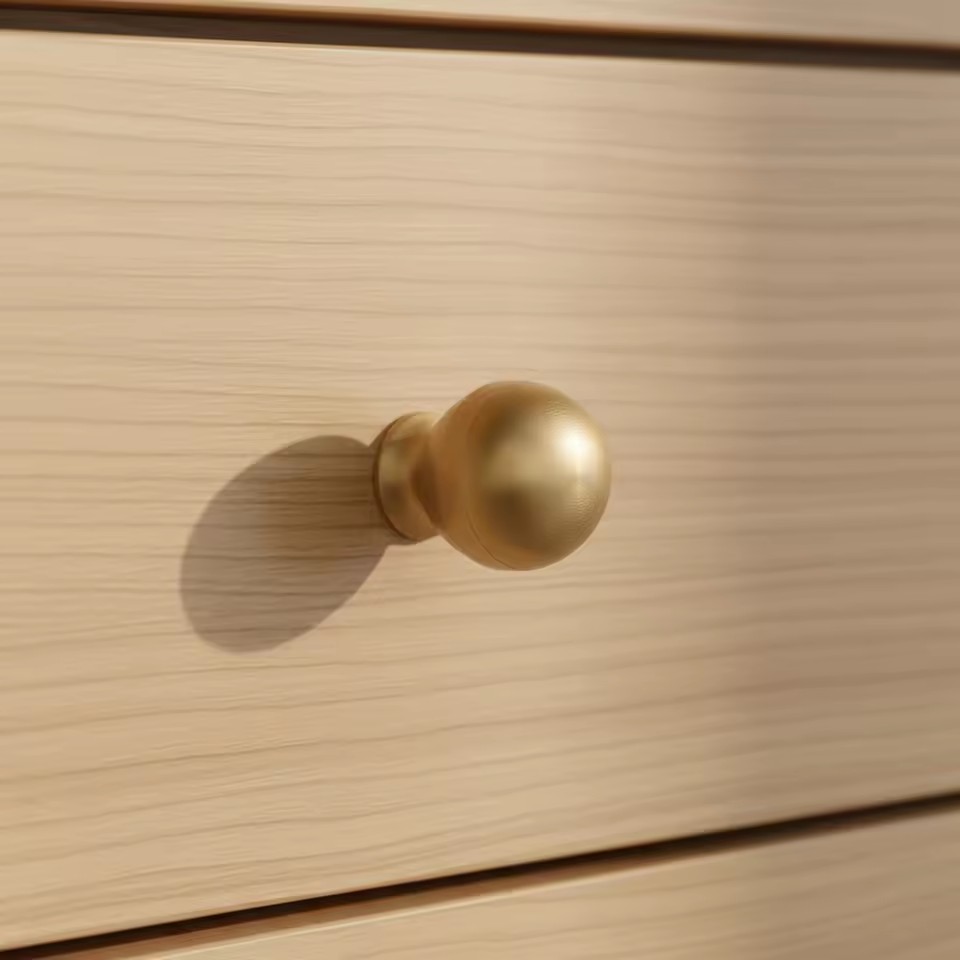
Adjustable Brass Round Knob Cabinet Handle Kitchen Villa Drawer
- Material: Eco H59/H62 Solid Brass
- Application: Kitchen, Wardrobe, Villa
- Finish: PVD Brushed Brass / Antique
- Customization: Laser Logo & Dimension
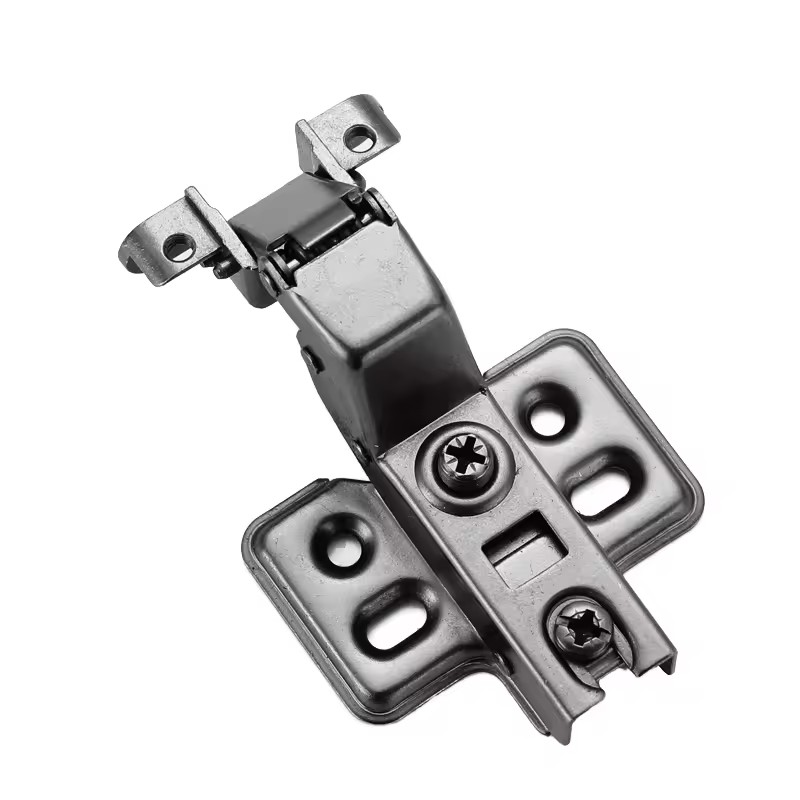
Soft Close Full Overlay Cabinet Hinge Hydraulic Silent 35mm
- Hinge Cup: Ø35mm Standard / 11.5mm Depth
- Damping Tech: Hermetic Pure Copper Core
- Overlay: Full Overlay (0 Crank)
- Salt Spray Test: NSS 48h / 72h / 96h Certified
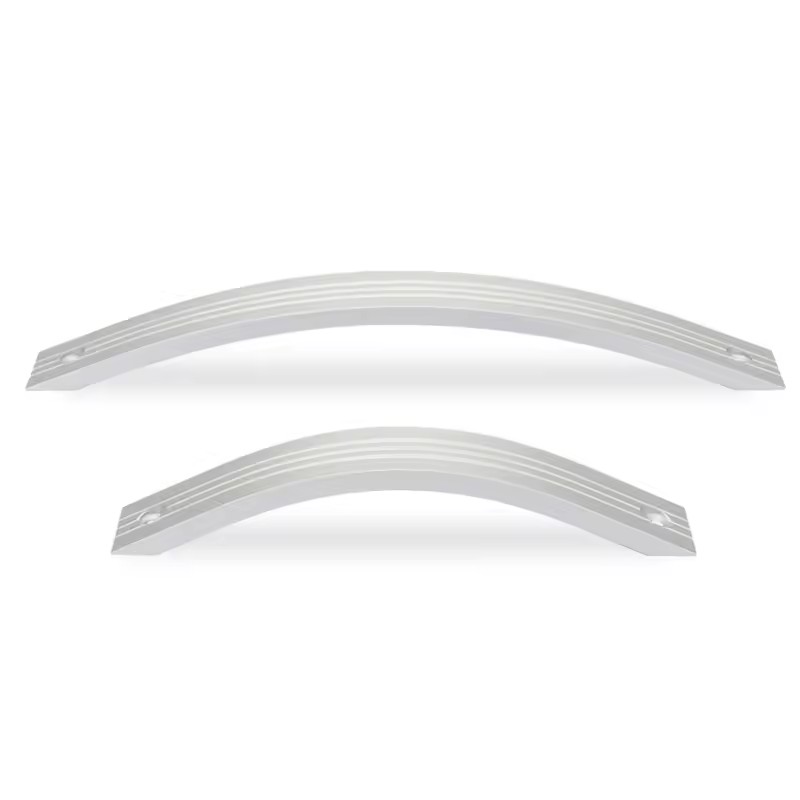
Kitchen Cabinets Door Pull OEM Hardware Aluminium Handles
- Alloy: 6063-T5 Extruded Aluminum
- Hole Centers: 96mm to 1200mm Bespoke
- Surface: Anodized Matte Black / Satin
- Tensile Rating: High Impact Pull Resistance
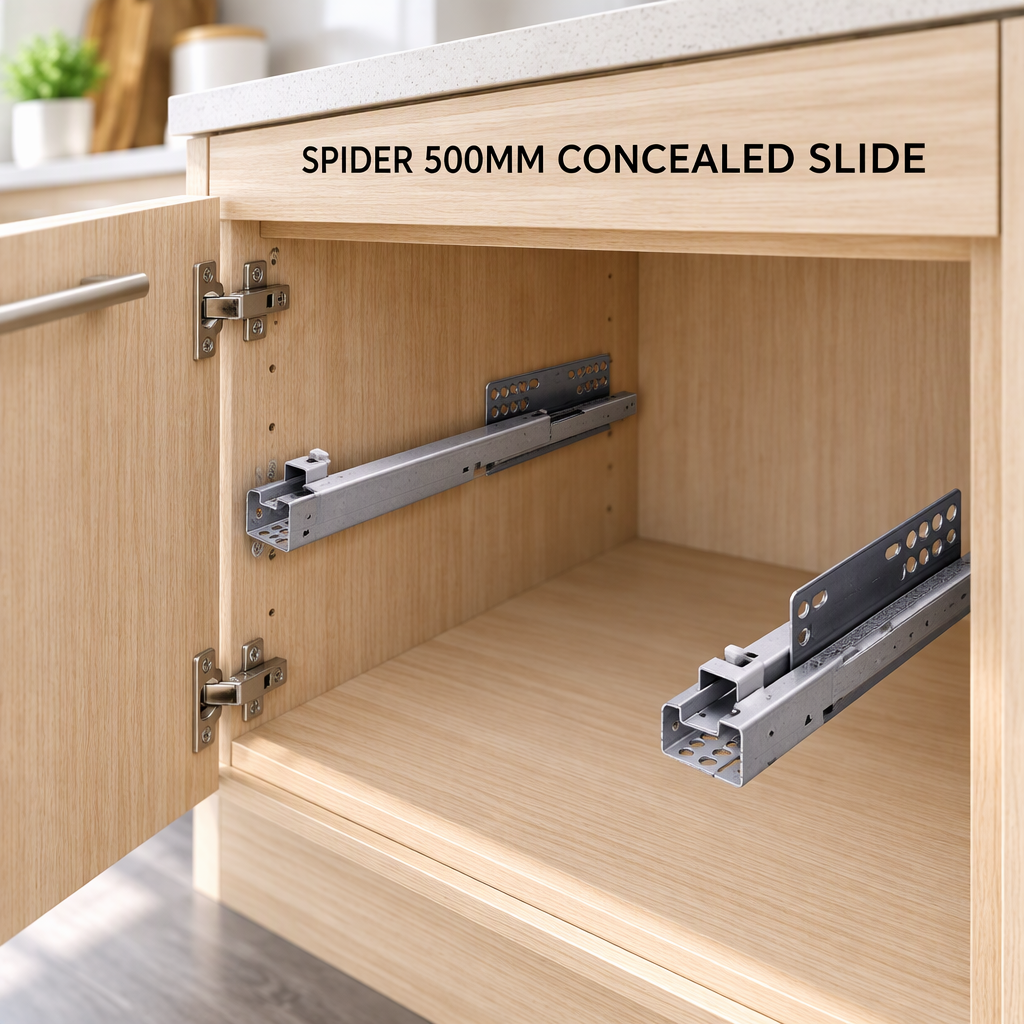
Spider 500mm Concealed Drawer Slides Full Extension Silent
- Extension: 3-Section Synchronized Slide
- Load Capacity: Dynamic 35kg - 45kg Test
- Mechanism: Integrated Fluid Soft-Closing
- Adjustment: 1D / 2D Quick Clip Bracket
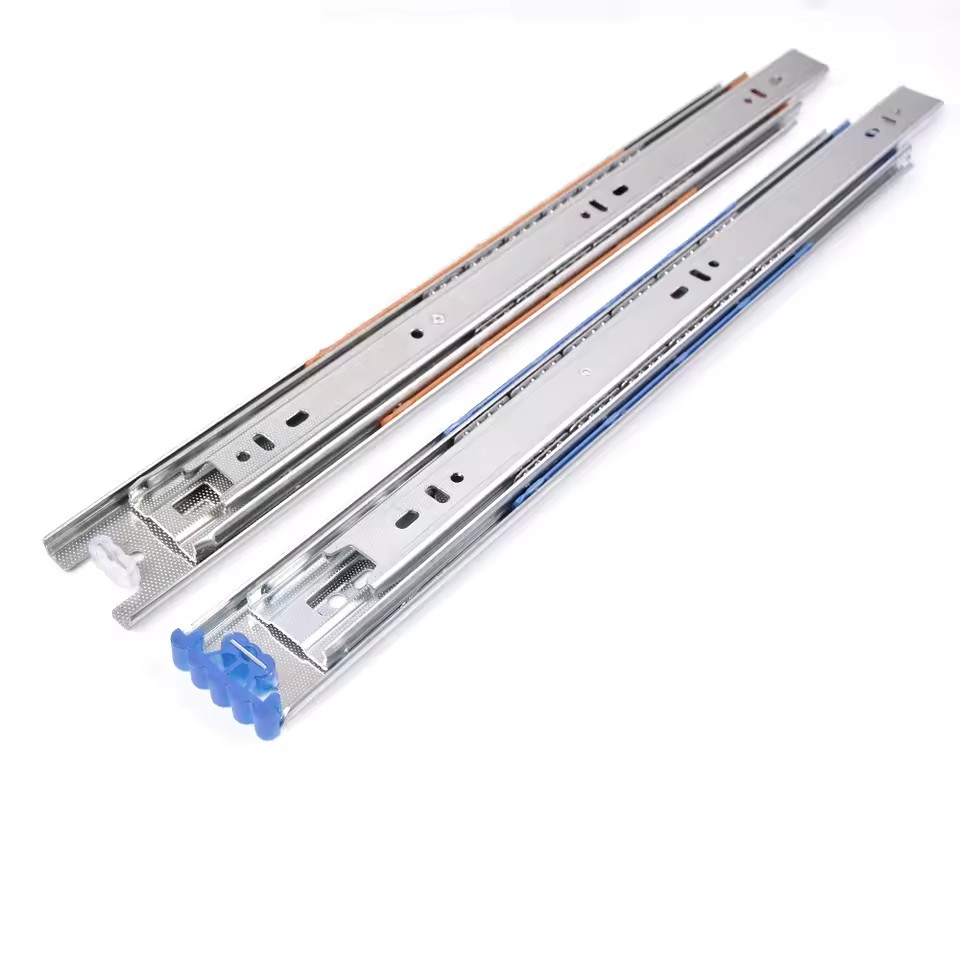
Ball Bearing Drawer Slides Wardrobe Full Extension Heavy Duty
- Track Profile: 45mm Width / 1.2x1.2x1.5mm Steel
- Bearing: High-Hardness Solid Steel Balls
- Cycle Endurance: 50,000+ Verified Openings
- Disassembly: Nylon Trigger Disconnect Cam
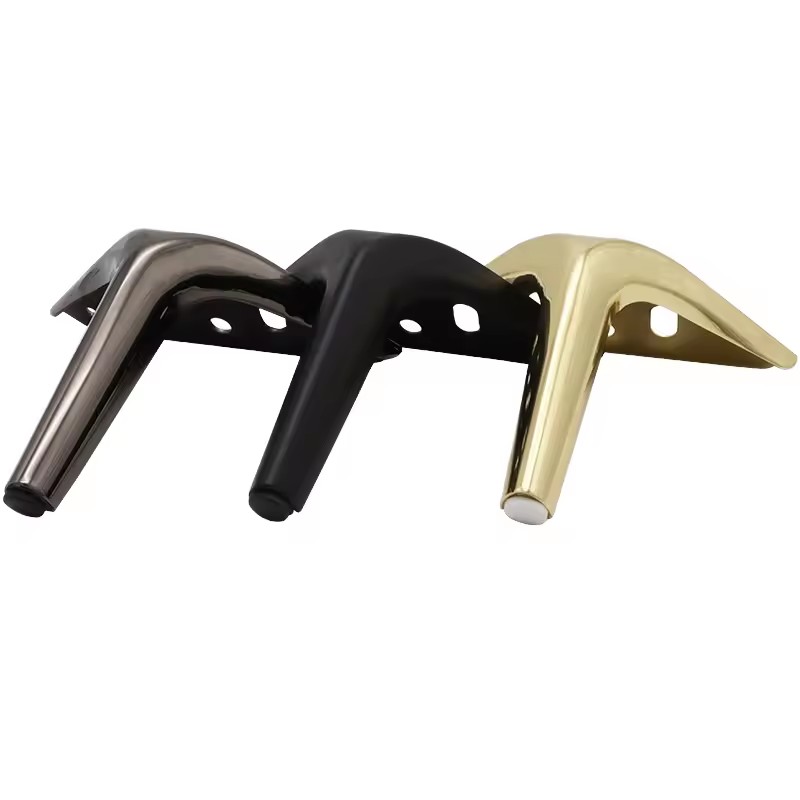
Modern Luxury Iron Black Gold Heavy Duty Furniture Legs
- Structure: Reinforced Structural Carbon Steel
- Static Rating: 300kg+ Four-Leg Load Factor
- Finishing: Electrostatic Powder & Gold PVD
- Base Protection: Anti-Scratch Polymer Glides
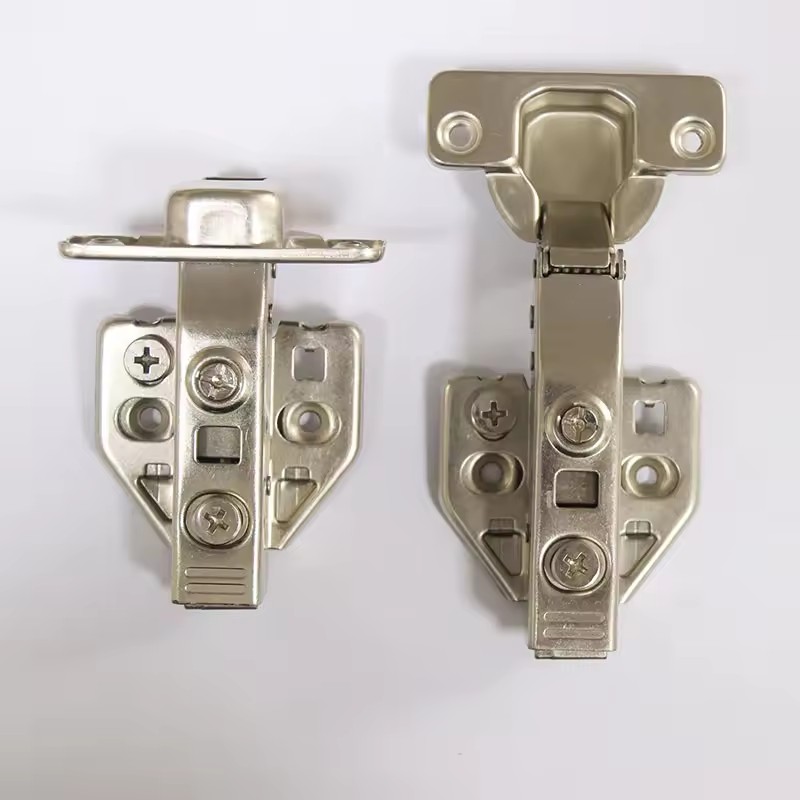
3D Adjustable Fast Installation Detachable Hydraulic Soft Close Hinge
- Alignment: Independent 3D Cam Screws (±2mm)
- Mounting: Rapid Clip-on Base Plate System
- Buffer Angle: Gentle Deceleration from 45° to 0°
- Body Weight: 102g / 115g Heavy Gauge Steel
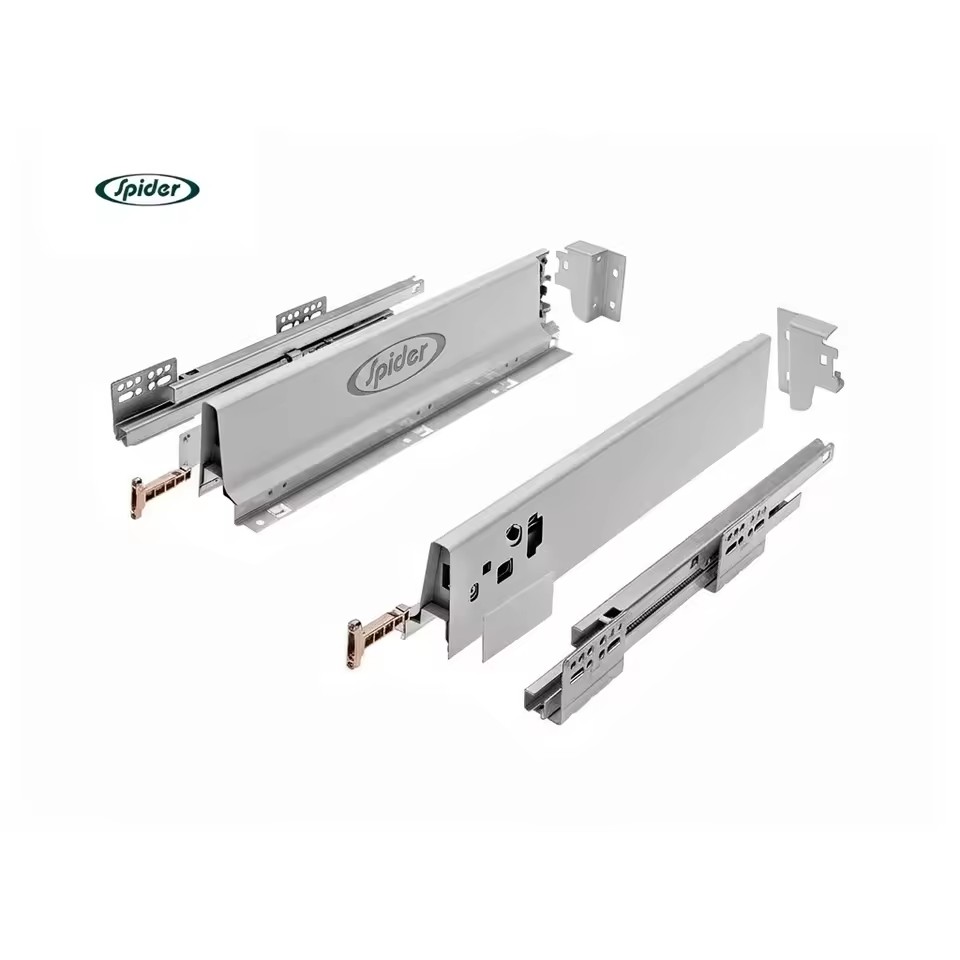
Load Capacity 40kg Easy Installation Synchronized Box Drawer
- Capacity: Heavy Duty Dynamic 40kg Rating
- Synchronization: Rack & Pinion Seamless Glide
- Side Panels: Ultra-Thin 13mm Minimalist Metal
- Adjustment: Internal 2D/3D Drawer Face Align
Kinematic Precision & Metallurgical Integrity in Concealed Hinges
In modern architectural joinery and high-volume modular kitchen manufacturing, cabinet hinges represent the critical mechanical juncture between structural carcass rigidity and ergonomic tactile user experience.
1. Microstructural Cold-Rolled Carbon Steel Formulation
Cupboard door hinges face continuous torsional deflection and shearing loads. We specify premium-grade SPCC cold-rolled low-carbon steel boasting an ultimate tensile strength exceeding 380 MPa. Unlike generic stamping operations that utilize low-density scrap composites, cold-rolled sheets undergo cold reduction milling that orientates crystallographic grain structures uniformly.
This mechanical property prevents hinge arm deformation even under substantial cantilever door weights exceeding 22 kg per door pair. Pivoting rivets are forged from case-hardened alloy wire with deep-penetration manganese surface treatments, eliminating axial play and sag throughout multi-decade operating lifetimes.
- Elastic Limit Margin: High elastic threshold resists dynamic sag during wide-angle hyperextension (up to 165°).
- Dual-Layer Electroplating: 8-12 μm acid copper base coat topped with a bright micro-cracked nickel barrier to counter chloride oxidation.
- Stainless Steel Options: Available in marine-grade AISI 304 and 316 formulations for extreme humidity, coastal villas, and medical cleanrooms.

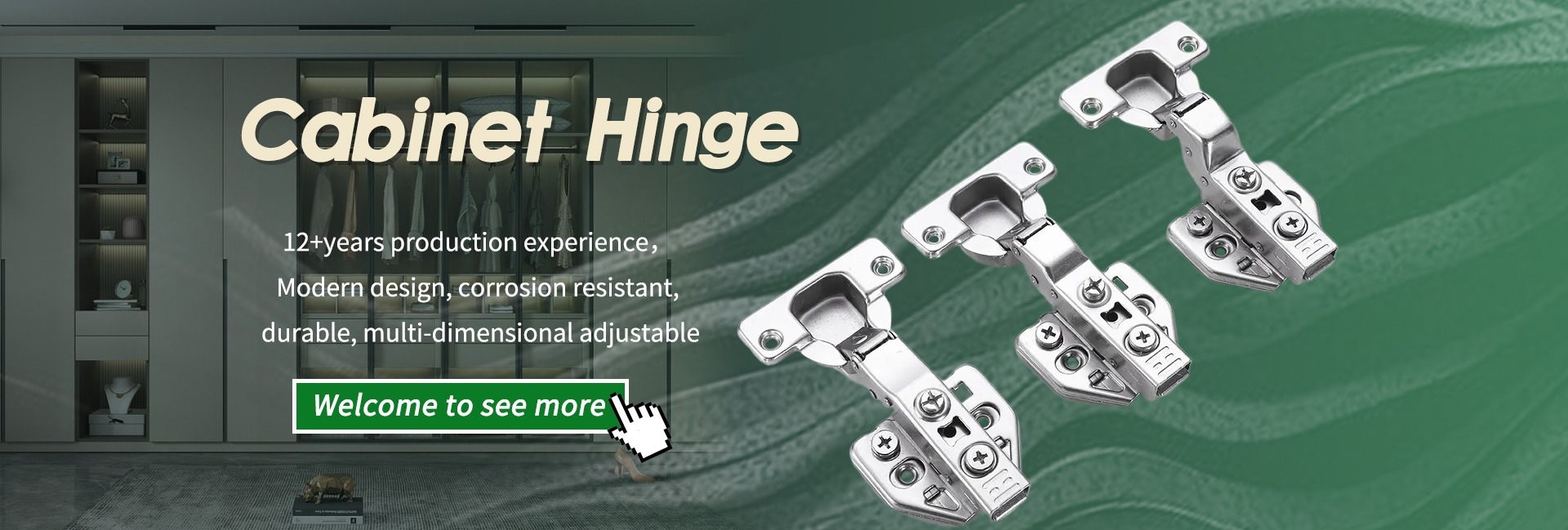
2. Hydraulic Viscous Fluid Damping Kinetics
The core distinction separating standard hardware from contract-grade hinges lies in the damping cylinder geometry. Our custom OEM cupboard hinges integrate double-sealed copper cylinders filled with high-viscosity synthetic methyl-silicone fluid (-25°C to +60°C thermal stability index).
The dual-chamber hydraulic design generates uniform progressive deceleration beginning precisely at an approach angle of 45°, dampening kinetic momentum to achieve an imperceptible, silent contact closure at 0°. Even under abrupt closing velocity spikes, the pressure-relief micro-valve prevents hydraulic fluid rupture and maintain an acoustic closure signature below 28 dBA.
- Zero-Leakage Sealing: Double nitrile O-ring design withstands internal pressures up to 180 bar during slam-test simulations.
- Consistent Closing Speed: Highly linear deceleration rate regardless of whether operating ambient temperature is in dry high-heat deserts or sub-zero climates.
- Independent Buffer Return Spring: High-tensile spring steel wire ensures zero lag during immediate sequential cycle openings.
Engineering Comparative Matrix by Application Class
Compare our primary OEM cup hinge series across structural weights, opening geometries, plating thresholds, and international building code compliances.
| Hinge Configuration | Crank Type / Overlay | Steel Thickness / Weight | Adjustment Modality | Corrosion Resistance | Target B2B Segment |
|---|---|---|---|---|---|
| Full Overlay Hydraulic 35mm | 0 Crank (18mm Overlay) | 1.2mm SPCC / 102g Body | Standard Depth/Lateral Screws | NSS 48h (Grade 8) | High-Volume Modular Kitchens |
| 3D Clip-On Detachable Hinge | Full / Half / Inset Options | 1.25mm SPCC / 115g Heavy Body | Integrated 3D Cam (±2mm XYZ) | NSS 72h (Grade 9) | Premium Contract Millwork |
| AISI 304 Stainless Steel Hinge | Full Overlay & Half Crank | 1.2mm SUS304 / 108g Body | 2D Plate / Clip-On System | NSS 120h (Marine Grade) | Coastal, Medical, Marine Projects |
| 165° Wide-Angle Zero Protrusion | Full Overlay Specialized | Multi-Link Zinc & Steel / 240g | 2D Arm Axis Adjustment | NSS 48h Certified | Pantry Pull-Out Drawers & Corners |
| Aluminium Frame Glass Hinge | Flush Mount Framed Profile | Alloy + Nickel-Coated Steel | 3D Eccentric Frame Clamp | NSS 72h Anodized | Illuminated Luxury Display Closets |
Cupboard Door Hinge Sourcing Trends (2025–2030)
Anticipating supply chain evolution, sustainable metallurgy directives, and architectural aesthetic shifts across international furniture manufacturing centers.
1. Invisible Aesthetics & Dark Titanium Finishes
Contemporary millwork design has shifted decisively toward dark graphite carcases, walnut interiors, and smoked oak veneers. The traditional polished nickel hinge is rapidly ceding market share to titanium black, volcanic bronze, and matte charcoal PVD platings.
High-tier OEMs demand multi-layer electrophoretic deposition (EPD) that completely masks reflective metallic surfaces, ensuring hardware visually disappears inside the cabinetry silhouette while delivering superior scratch hardness.
2. Ultra-Rapid Clip Installation & Automated Tooling
With rising assembly labor costs across North America, Europe, and the Middle East, cabinet producers are rejecting traditional screw-on baseplates. Modern specifications demand one-click toolless clip-on plates with pre-inserted expanding plastic dowels (8mm/10mm) optimized for CNC boring machines.
This engineering eliminates manual screwdriving misalignments, halves carcass-to-door installation times on active job sites, and eliminates cross-threading damage during field servicing.
3. Supply Chain Agility & Mixed-Container Sourcing
B2B buyers are mitigating inventory carrying costs by abandoning single-commodity container shipments. Procurement directors now prioritize suppliers capable of mixed-container consolidation—shipping hinges, undermount slides, handle profiles, and pneumatic gas struts under a unified shipping manifest.
This methodology preserves working capital liquidity, minimizes port clearance overhead, and synchronizes matching surface finishes across diverse hardware categories.
Guangzhou Jarkul Hardware: Over 15 Years of Export Integrity
Founded in 2011, Guangzhou Jarkul Hardware Co., Ltd. has established itself as an authoritative supplier of precision architectural motion systems. Over 91% of our manufacturing output serves B2B export markets across more than 30 nations—including the United States, Canada, the United Kingdom, UAE, Saudi Arabia, South Africa, and Southeast Asia.
Our operational integrity is verified on-site by international auditing firms and supported by 15 years of uninterrupted verified history on Alibaba.com. Operating under an absolute "Good Faith First" philosophy, every carton leaving our facility conforms strictly to contracted steel gauges, hydraulic damping durations, and packaging specifications.
Whether your procurement program requires custom silk-screen private labeling on hinge arm covers, localized full-color retail box packaging, custom stamping dies, or bonded mixed-hardware container loading at Guangzhou ports, our seasoned export trade division delivers flawless order execution.
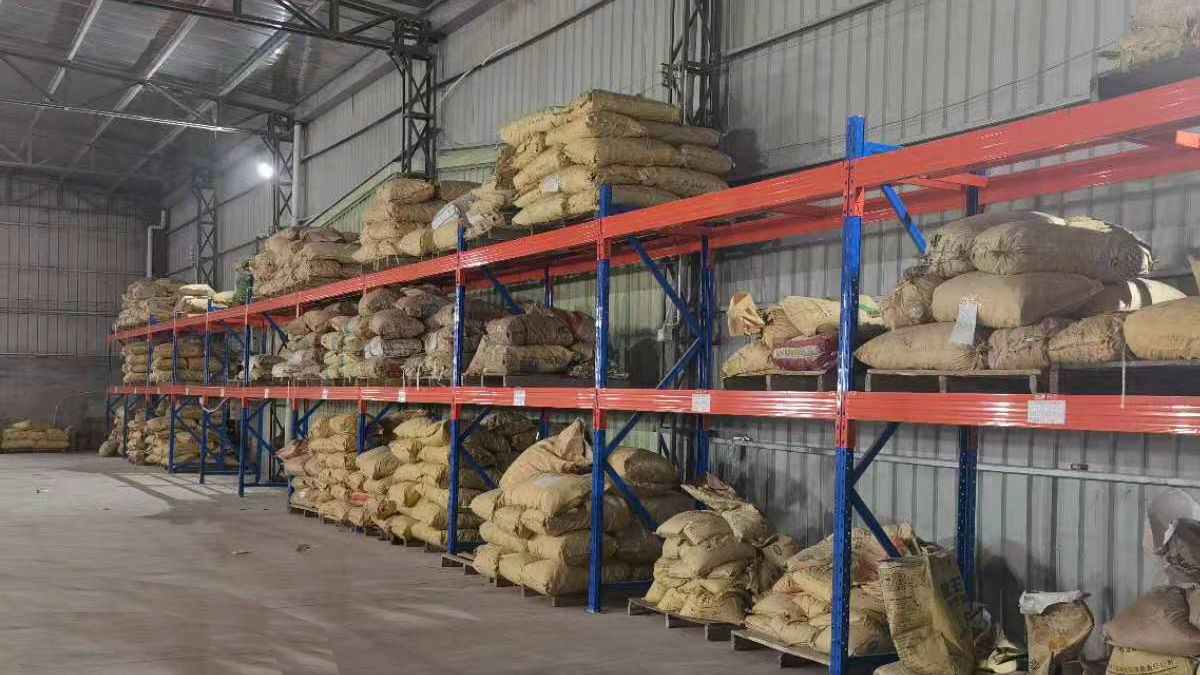
How Global Hardware Buyers Audit Cupboard Hinge Factories
A comprehensive 4-stage quality assurance protocol to prevent costly product recalls, cabinet door sagging, and erratic hydraulic failure in target markets.
Stage 1: Spectrometric Material Verification
Low-cost factories frequently substitute high-carbon, un-annealed steel scrap that snaps under heavy stamping pressure. Insist on optical emission spectroscopy reports confirming low-carbon composition (C ≤ 0.12%, P ≤ 0.035%, S ≤ 0.035%). For stainless hinges, insist on X-ray fluorescence (XRF) gun inspections verifying an 8.0% minimum nickel content for AISI 304 certification.
Stage 2: Pressure-Cycle Dynamic Fatigue
Review automated endurance test logs conforming to DIN EN 15570 or ANSI/BHMA A156.9 Level 1 standards. The hinge pair must endure 50,000 to 80,000 cycles loaded with a 20 kg door mass. Measure door sag at 10,000 cycle intervals; any permanent vertical deformation exceeding 1.5mm indicates soft rivet pins or inadequate arm thickness.
Stage 3: Thermal Shock Dampener Testing
A hydraulic dampener may perform well at room temperature (22°C) but fail completely in Canadian winters (-15°C) or Gulf summers (+48°C). Audit thermal cycling chambers where hinges are baked at 60°C for 24 hours followed by -20°C for 24 hours. The soft-closing duration must remain strictly within the 3.0 to 6.5 second window without cylinder seizure.
Frequently Asked Technical & Sourcing Questions
Authoritative, clear answers covering engineering standards, manufacturing tooling, testing thresholds, and logistics coordination for B2B procurement professionals.
Ready to Engineer Your Custom OEM Cupboard Hinge Program?
Consult directly with Guangzhou Jarkul Hardware's senior technical export specialists. We provide rapid CAD/CAM drawings, cost-effective landed container models, and complimentary testing sample kits delivered to your facility within 7 business days.