Global Sourcing Season: OEM & ODM furniture hardware for importers and cabinet brands
B2B Engineering & Export Excellence

Custom OEM Cabinet Pull Handles Factories & Exporter

Direct Architectural Hardware Manufacturing, Precision Tooling, and Global Export Supply Chain Solutions for Importers, Wholesalers, and Cabinet Makers in 30+ Countries.

Factory Engineered Selection

Featured Hardware Components & Cabinet Pull Systems

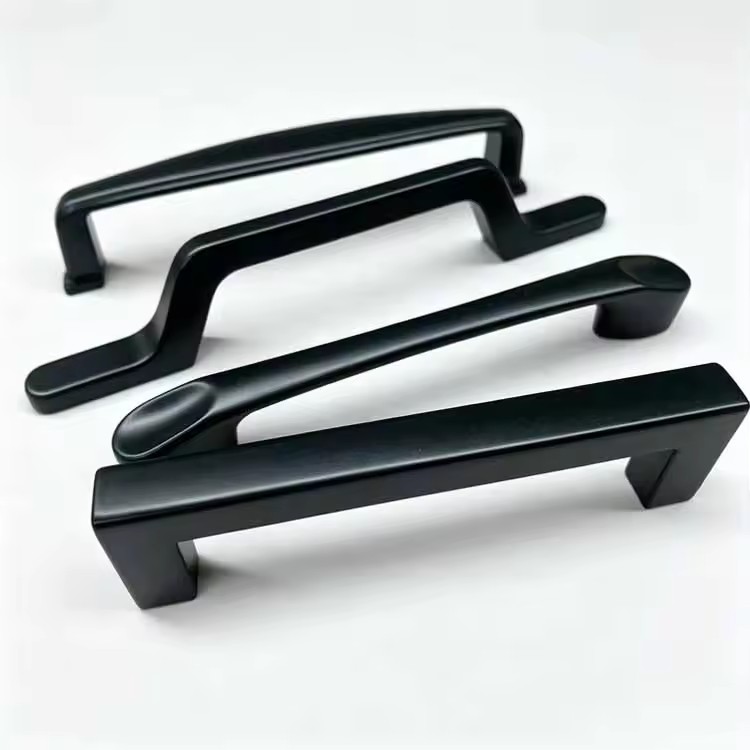
Standardized mass-production profiles and custom OEM cast pulls engineered for residential cabinetry, hospitality suites, commercial millwork, and wardrobe assemblies.

Industry Whitepaper & Technical Analysis

Engineering Custom OEM Cabinet Pull Handles: The Global B2B Sourcing Guide

Navigating metallurgy, surface finishing tolerances, mold economics, and export supply chain risks in contemporary architectural joinery and furniture hardware procurement.

In modern industrial furniture manufacturing and international hardware distribution, cabinet pull handles and knobs serve far more than an ornamental objective. As the single physical touchpoint between human users and architectural joinery, handles represent the physical embodiment of a brand's engineering pedigree. For global procurement officers, B2B importers, and commercial cabinet manufacturers, sourcing custom OEM (Original Equipment Manufacturer) and ODM (Original Design Manufacturer) cabinet pull handles from Chinese manufacturing hubs requires an uncompromising grasp of metallurgy, production kinematics, secondary finishing chemistry, and rigorous quality assurance protocols.

Historically, the cabinet hardware supply chain operated on standard catalog selection with minor finish modifications. Today, market fragmentation and consumer demand for bespoke design languages have compelled brands to engineer custom profile pulls, integrated edge pulls, knurled T-bars, and flush-recessed handles tailored to proprietary cabinet door profiles. Developing an OEM hardware component is an intensive engineering undertaking. It involves precision mold design, die-casting pressure dynamics, metallurgical alloy stability, computer numerical control (CNC) post-machining, electroplating bath chemistry, and logistics load optimization.

High-Pressure Die Casting (Zamak/Zinc)

Utilized predominantly for geometrically intricate pulls, vintage ornaments, ergonomic hand-grooves, and multi-dimensional knobs. Molten zinc alloy (Zamak 3 or Zamak 5) is injected into precision steel dies at pressures between 15 to 30 MPa. This produces near-net-shape components with exceptional tensile strength, crisp detail resolution, and dense metallurgical grain boundaries optimized for mirror polishing and multi-layer decorative electroplating.

Ideal for: Complex 3D contours & luxury hardware

Continuous Aluminum Extrusion (6000-Series)

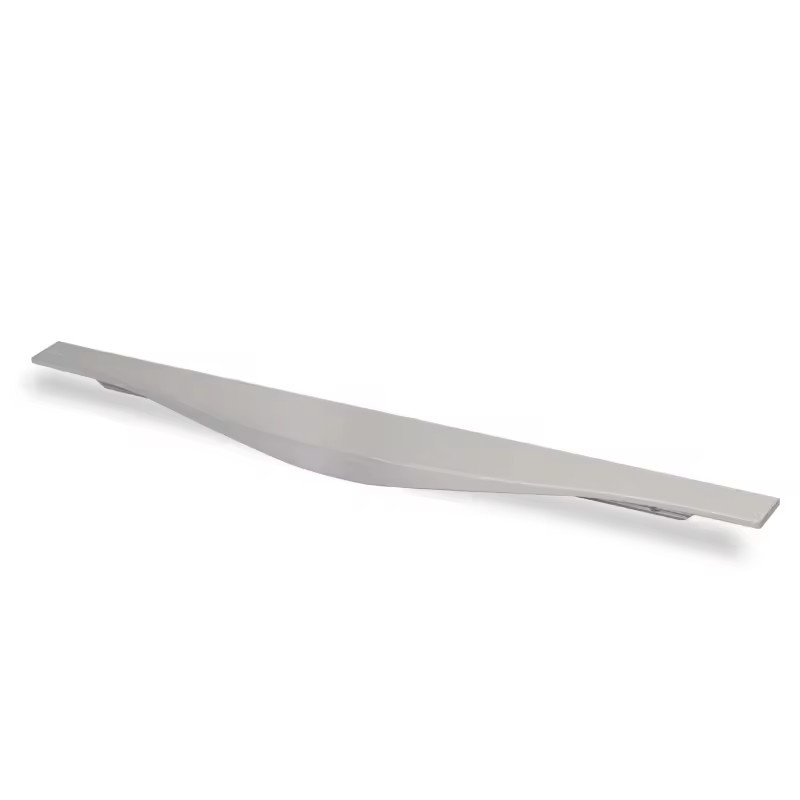
Engineered for modern minimalist architectural millwork, continuous integrated lip pulls, and J-pull/G-pull handleless profiles. Billet 6063 aluminum is heated to approximately 480°C and forced through custom tungsten-carbide dies. The profiles undergo T5 or T6 precipitation heat treatment to achieve Rockwell hardness figures surpassing 60 HRB, providing pristine linear accuracy up to 3 meters in length before precision CNC mitering and anodization.

Ideal for: Continuous J-profiles & minimalist bars

Precision CNC & Stainless Steel Machining

The gold standard for high-traffic commercial environments, marine hospitality, medical labs, and institutional architectural millwork. Solid bars or thick-walled tubular stock in Grade 304 or Grade 316 stainless steel are precision cut, drilled, tapped, and knurled via 4-axis and 5-axis CNC machining centers. This process guarantees an unyielding resistance to moisture, chlorides, and aggressive cleaning chemicals while delivering tolerances within ±0.05 mm.

Ideal for: Grade 304/316 commercial & knurled luxury
Metallurgical Specifications

B2B Material Comparison & Engineering Matrix

A detailed technical comparison of structural alloys used in custom cabinet pull handles to aid importers in striking the optimal balance between cost, mechanical durability, and environmental exposure ratings.

Alloy / Material Common Base Grade Density (g/cm³) Tensile Strength (MPa) Salt Spray Resistance (NSS) Tooling / Mold Cost Primary Commercial Use
Zinc Alloy (Zamak) Zamak #3 / #5 6.6 – 6.7 280 – 330 72h – 120h (With Ni/Cr Electroplate) Moderate ($1,200 – $3,500) High-end residential, ornate pulls, luxury knobs
Extruded Aluminum 6063-T5 / 6061-T6 2.70 185 – 240 96h – 240h (Anodized 10–15µm) Low ($450 – $900 Die Fee) Modern minimalist, edge pulls, wardrobe profiles
Austenitic Stainless AISI 304 / 316 7.93 – 8.00 515 – 620 240h – 720h (Passivated / PVD) None (CNC Machined) Commercial, coastal hospitality, healthcare cabinetry
Forged Carbon Steel / Iron Q235 / Cold-Rolled 7.85 370 – 500 48h – 96h (Powder Coated / E-Coated) Low to Moderate Industrial, rustic modern, heavy-duty furniture supports
Cast Solid Brass C36000 / H62 8.4 – 8.5 340 – 440 120h – 240h (Clear Lacquered / PVD) Moderate to High Ultra-luxury residential, heritage joinery, boutique hotels

A frequent error made by novice buyers is relying solely on base material pricing without evaluating finishing longevity. For instance, while an extruded aluminum alloy handle yields a lower raw-material baseline compared to Zamak 3, its surface treatment parameters are fundamentally distinct. Aluminum relies on electrochemical anodization to produce an artificial aluminum oxide layer, whereas zinc alloys necessitate an intensive galvanic sequence: alkaline degreasing, acid activation, copper strike, acid copper leveling, semi-bright nickel, bright nickel, and final decorative chrome, brass, or black plating. Ensuring your China manufacturing partner maintains calibrated multi-station automated plating baths is essential to prevent blister formation, peeling, or accelerated oxidation under tropical or coastal field conditions.

Enterprise Sourcing Hub

Guangzhou Jarkul Hardware Co., Ltd.

Founded in 2011, Guangzhou Jarkul Hardware Co., Ltd. has established itself as an authoritative B2B partner for furniture hardware importers, residential contractors, and commercial cabinet brands across more than 30 countries and regions worldwide. Based in the Xiuquan industrial district of Guangzhou—a convenient short drive from the international Canton Fair complex—our operation seamlessly integrates mold tooling, production coordination, multi-point quality control, and export logistics.

Operating under our unyielding "Good Faith First" charter, our business is 91%+ export-focused. We understand that international procurement hinges on reliable documentation, strict compliance with dimensional drawings, honest metallurgy, and verified pre-shipment inspections. We support private-label branding, customized color gift-boxes, retail packaging, and consolidate diverse furniture hardware bills-of-materials into unified sea-freight containers.

Guangzhou Jarkul Hardware Office and Hardware Display Showroom
15+
Years Verified Supply History
≤2h
Average Response Time SLA
97.3%
Verified Inquiry Response Rate
30+
Export Destination Markets
Strategic Sourcing Intelligence

Future Procurement Trends in Cabinet Pull Hardware (2025–2030)

Anticipating macro design shifts, material sustainability mandates, surface nanotechnology, and robotic handling compliance to maintain competitive market positioning.

1. Diamond Knurling & Tactile Micro-Textures

The commercial transition from ultra-flat, high-gloss hardware toward high-touch industrial textures is accelerating. Diamond, cross-hatch, and reeded linear knurling executed via precision CNC lathe indexing on solid aluminum and brass pulls have become dominant across luxury kitchens and bathroom vanities. Beyond visual distinction, micro-knurling conceals everyday fingerprint sebum and enhances wet-grip ergonomics.

2. Seamless Integrated Edge & Full-Height Profiles

In European and contemporary North American cabinetry, full-height floor-to-ceiling wardrobe doors and slab-front drawers increasingly specify ultra-low profile extruded aluminum edge pulls. Sourcing trends show exponential demand for extrusions that mount directly to the top or side edge of 18mm, 19mm, and 22mm MDF/particle boards, creating continuous uninterrupted handleless lines with concealed mechanical fasteners.

3. Physical Vapor Deposition (PVD) & Matte Finishes

Traditional wet spray lacquering is being rapidly phased out by major hardware buyers in favor of Physical Vapor Deposition (PVD). PVD coatings deposit titanium or zirconium compounds under high vacuum, generating surface hardness levels exceeding 2000 Vickers. This delivers unbeatable resistance to scratching, chemical cleaning agents, and UV photodegradation in popular champagne gold, gunmetal, and brushed bronze tones.

4. Carbon-Accounted Alloys & Closed-Loop Scrap

Corporate ESG regulations in the EU (CBAM) and North America mandate verifiable carbon accounting throughout imported hardware supply chains. Leading factories now utilize secondary aluminum billet with certified 75%+ post-industrial recycled content and hydro-powered smelting credentials. Sourcing from manufacturers with transparent melt chemistry and waste neutralization represents a major procurement buffer against impending carbon import levies.

5. Consolidated BOM Container Sourcing

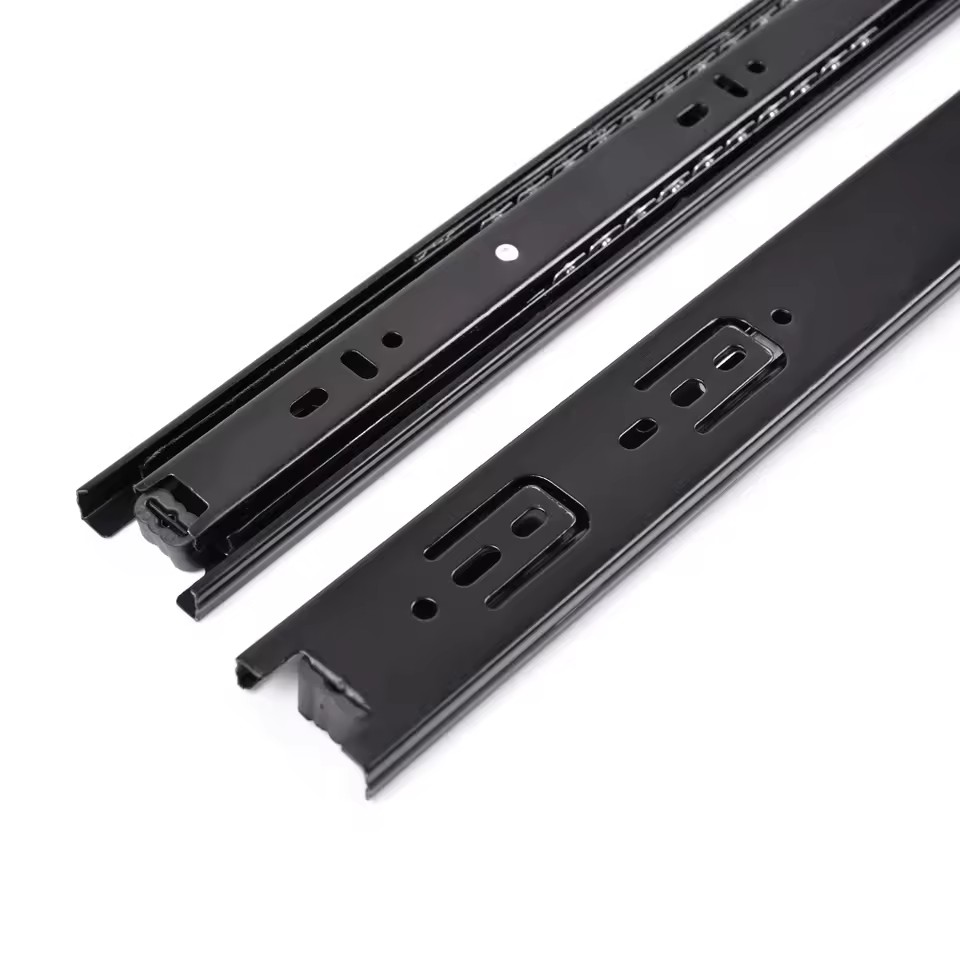
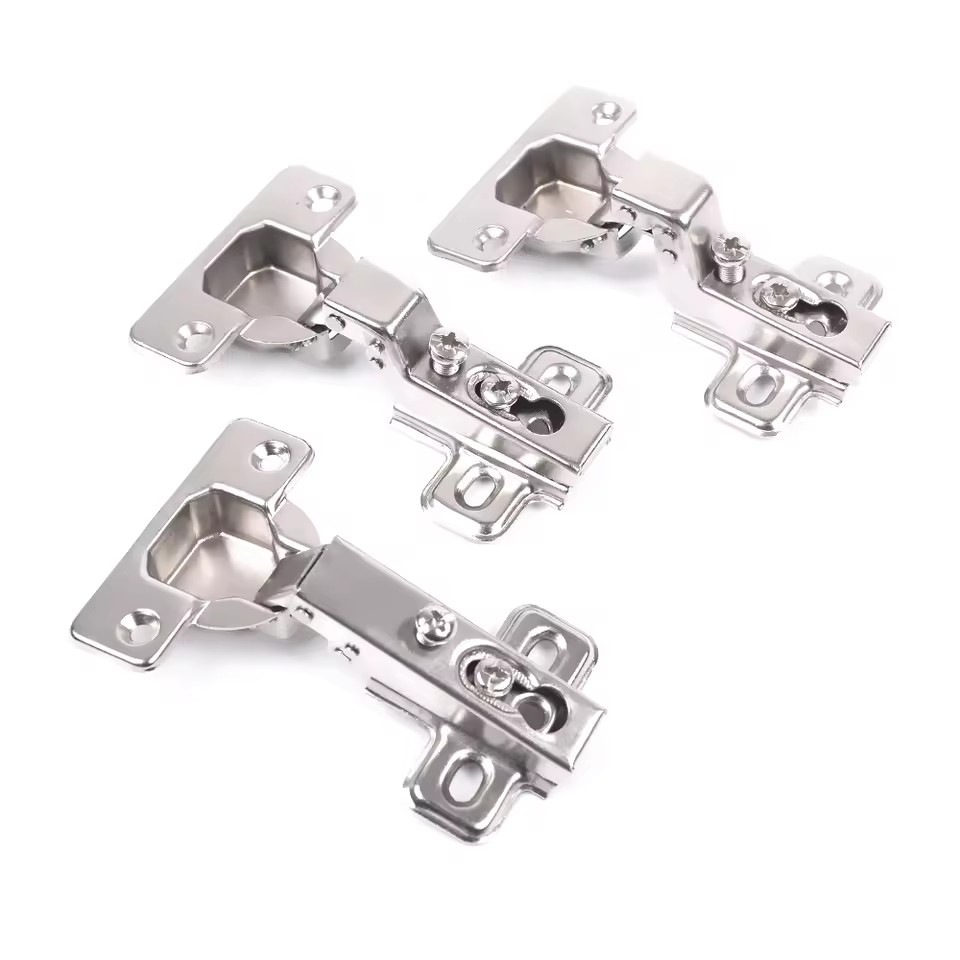
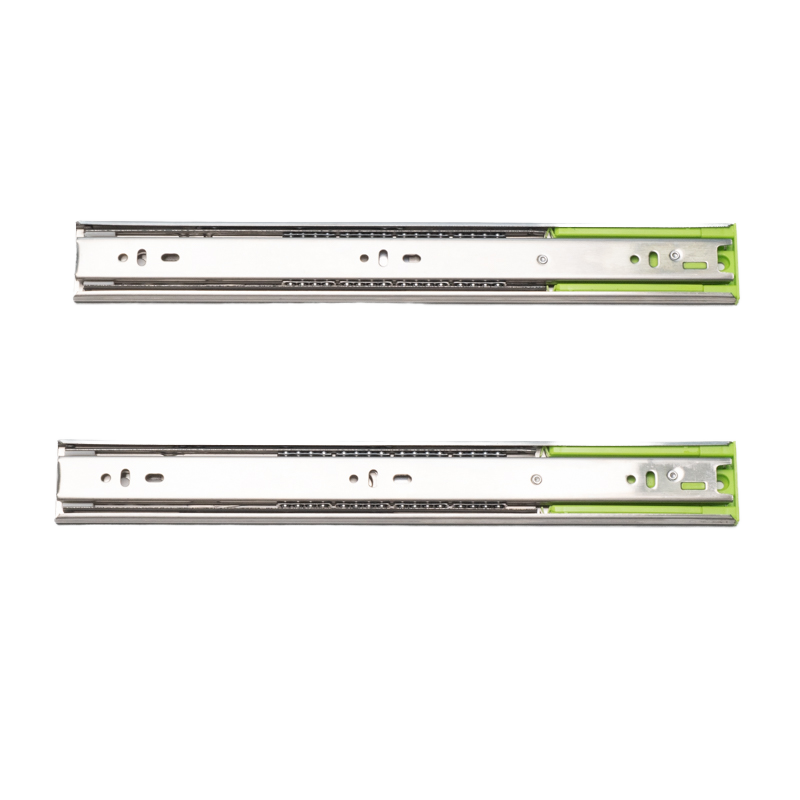
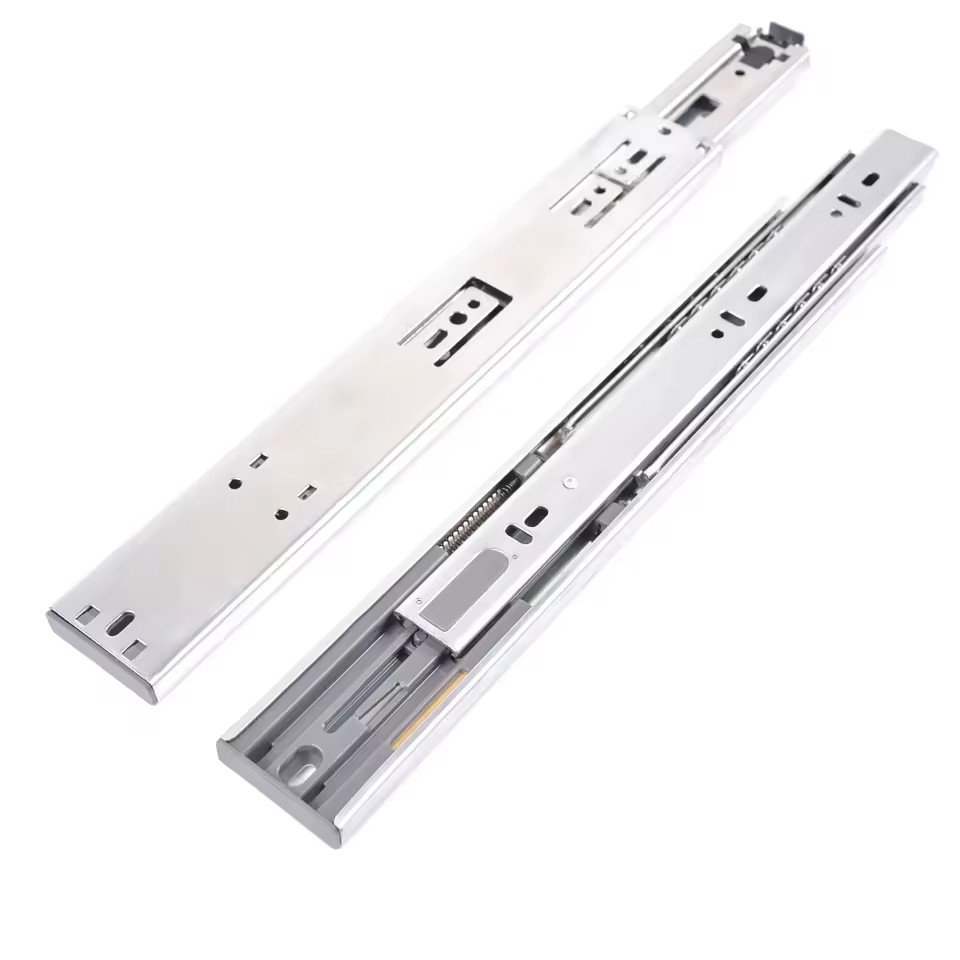
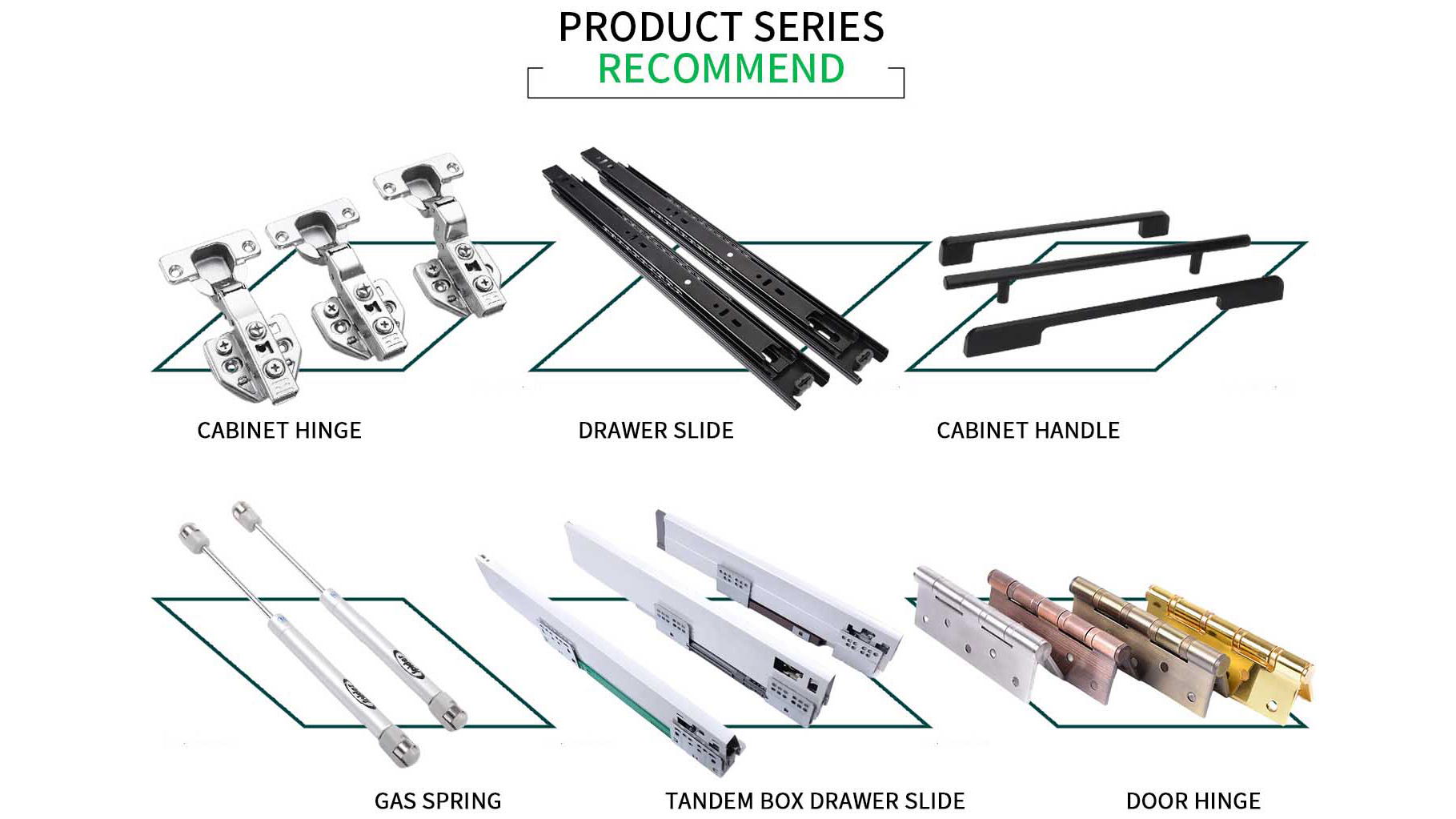
High international freight and port drayage costs have made single-SKU hardware importing financially inefficient. Leading volume distributors now favor consolidated single-partner orders: pairing customized cabinet pull handles with concealed 35mm soft-close hinges, 45mm telescopic ball-bearing slides, undermount tandem systems, and wardrobe rod supports inside unified 20GP or 40HQ container shipments, lowering landed landed logistics costs by 18–26%.

Manufacturing & Logistics Quality Assurance

Audited Quality Systems & Technical Capabilities

From metallurgical raw ingots to automated robotic finishing and pre-shipment container lashing, our QA infrastructure guarantees compliance with international hardware standards.

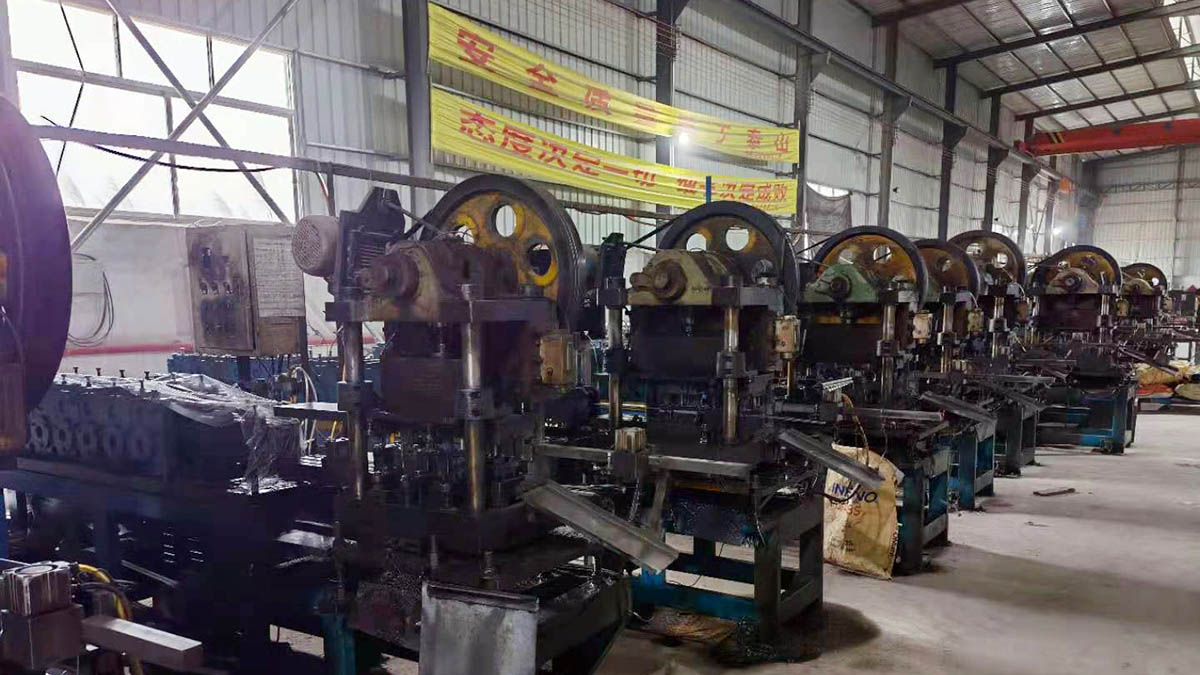
Production Coordination and Manufacturing Floor

Production Coordination

Automated die-casting and precision stamping lines supervised by veteran hardware toolmakers with 20+ years of tooling design experience.

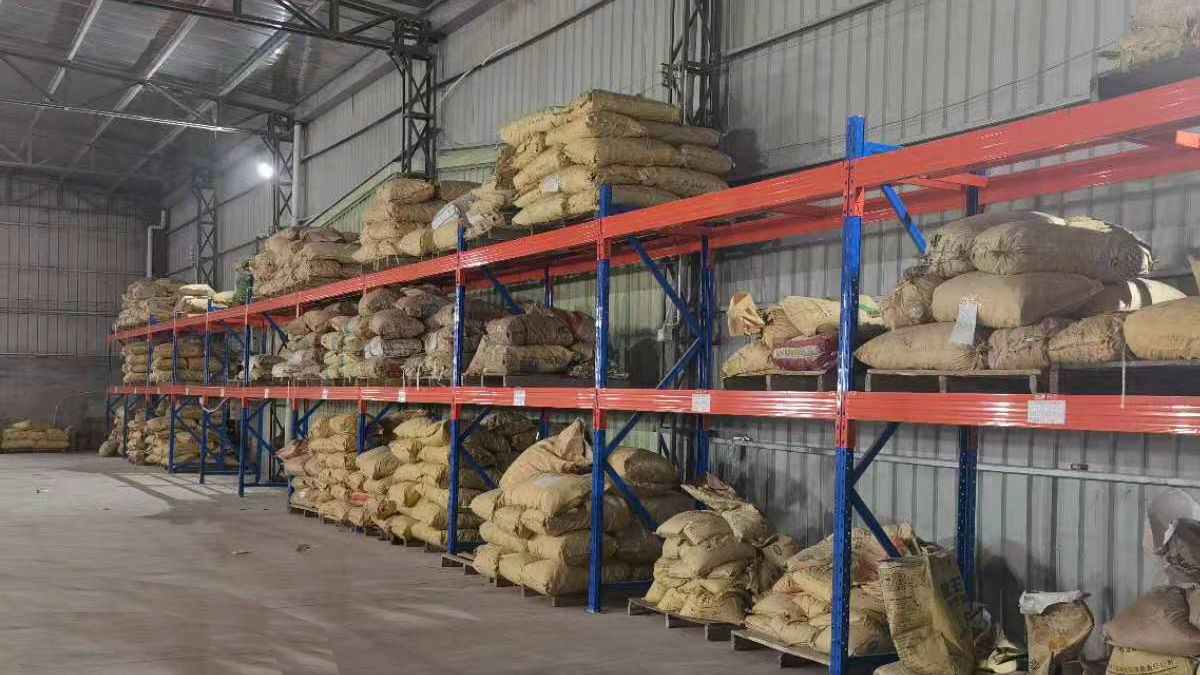
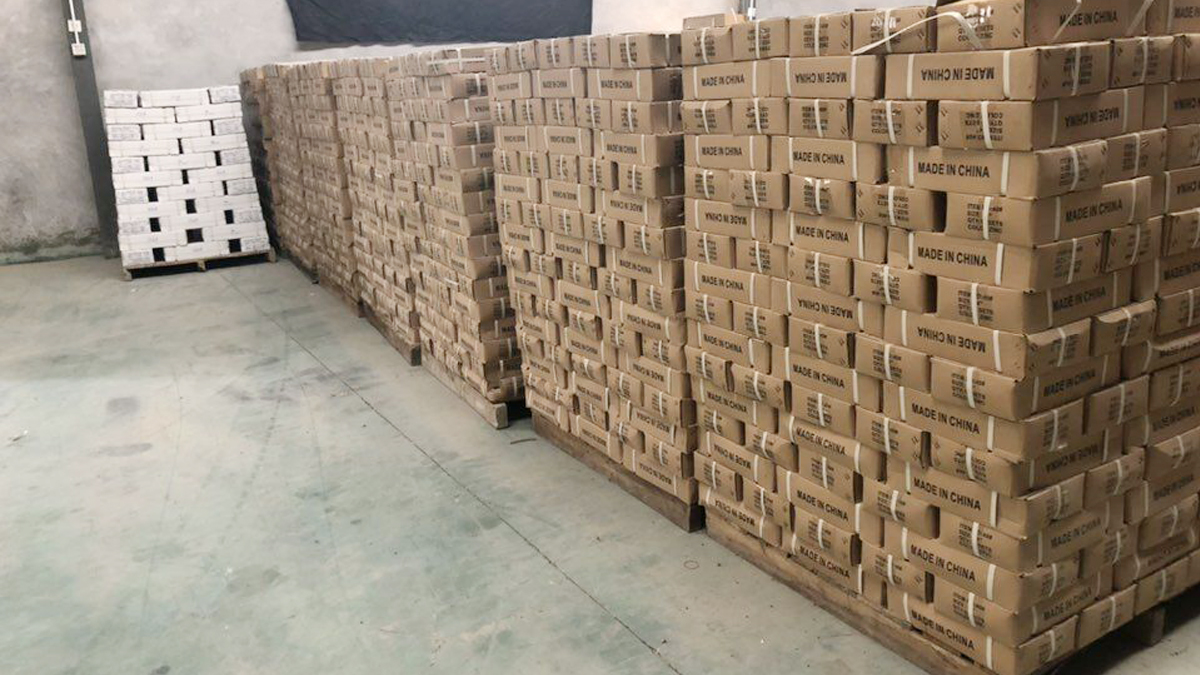
Hardware Warehouse Packing and Palletization

Warehouse & Palletization

Barcoded inventory staging and reinforced multi-wall export corrugated packaging designed to prevent transit abrasion during maritime shipments.

Hinge and Slide Precision Functional Testing

Functional Cycle Testing

Automated testing rigs executing 50,000-cycle open/close damper verification, handle tensile pull tests, and ASTM B117 salt spray checks.

Jarkul Hardware Multilingual Sales and Engineering Team

Multilingual B2B Account Team

Experienced export account specialists fluent in English and trade compliance, offering rapid BOM quotations within ≤2 hours on business days.

The 4-Stage OEM Quality Assurance Protocol

PHASE 01: SPECTRAL AUDIT

Alloy Verification

Direct optical emission spectrometry testing of ingot deliveries to ensure zero contamination of lead, tin, or excessive iron in zinc and aluminum batches.

PHASE 02: CNC DIMENSIONAL

Hole Center (CC) Tol

Digital calipers and optical coordinate measurement ensuring hole-to-hole center distances remain locked strictly within ±0.2mm to guarantee drop-in automated assembly.

PHASE 03: ADHESION & COAT

Cross-Hatch Adhesion

ASTM D3359 cross-hatch blade lattice cut testing paired with 3M pressure tape to verify zero electroplated or powder-coated film detachment under shear stress.

PHASE 04: PACKAGING INTEGRITY

Individually Bagged

Every pull is isolated in scratch-resistant polyfoam sleeves with break-away metric M4 machine screws included, sealed in double-corrugated master cartons.

Direct Factory Answers

Frequently Asked Questions for Hardware Importers

Detailed commercial, technical, and logistical clarifications for procurement directors, product managers, and wholesale buyers evaluating factory direct partnerships.

What is the standard Minimum Order Quantity (MOQ) for custom OEM cabinet pull handles?

For standard catalog handle designs with standard electroplated finishes (Matte Black, Brushed Nickel, Satin Brass), our typical MOQ starts at 500 to 1,000 pieces per size/finish. For fully custom OEM designs requiring new die-cast tooling (Zamak) or extrusion dies (aluminum), the initial production run generally requires 2,000 to 3,000 pieces to amortize machine calibration and mold setup fees. However, sample prototyping batches and trial orders are supported during the drawing verification phase.

What are the mold tooling costs and lead times for proprietary handle designs?

Tooling costs for aluminum profile extrusion dies typically range between $450 and $900 USD, with sample extrusions ready within 12 to 16 calendar days. Zinc alloy (Zamak) high-pressure die-cast molds range from $1,500 to $3,500 USD depending on cavitation (single vs. multi-cavity molds) and tool steel grade (e.g., H13 tool steel). Tooling completion and first-off sample approval require approximately 20 to 28 days, after which mass production cycles average 25 to 30 days.

How do you guarantee color and finish consistency across separate production batches?

Batch-to-batch color drift is controlled via master physical limit samples ("Golden Samples") verified with digital spectrophotometers measuring L*a*b* color space values within ΔE < 0.8 tolerances. For electroplating and anodization, bath chemistry, temperature, immersion duration, and current densities are automatically monitored via PLC systems. Every production lot retains physical reference specimens archived for 24 months to ensure seamless visual matching on subsequent reorders.

What screws and fastener specifications are packaged with cabinet handles?

Standard handle packaging includes two standard M4 x 22mm or M4 x 25mm truss-head zinc-plated machine screws suitable for standard 18mm (3/4") cabinet door fronts. For the North American market, #8-32 UNC imperial threads can be substituted upon request. Additionally, we routinely supply breakaway segmented screws (M4 x 45mm) that allow installers to snap off lengths to match varying panel thicknesses (16mm to 38mm), significantly reducing job-site hardware mismatches.

Can we consolidate cabinet handles with hinges, slides, and other hardware in one container?

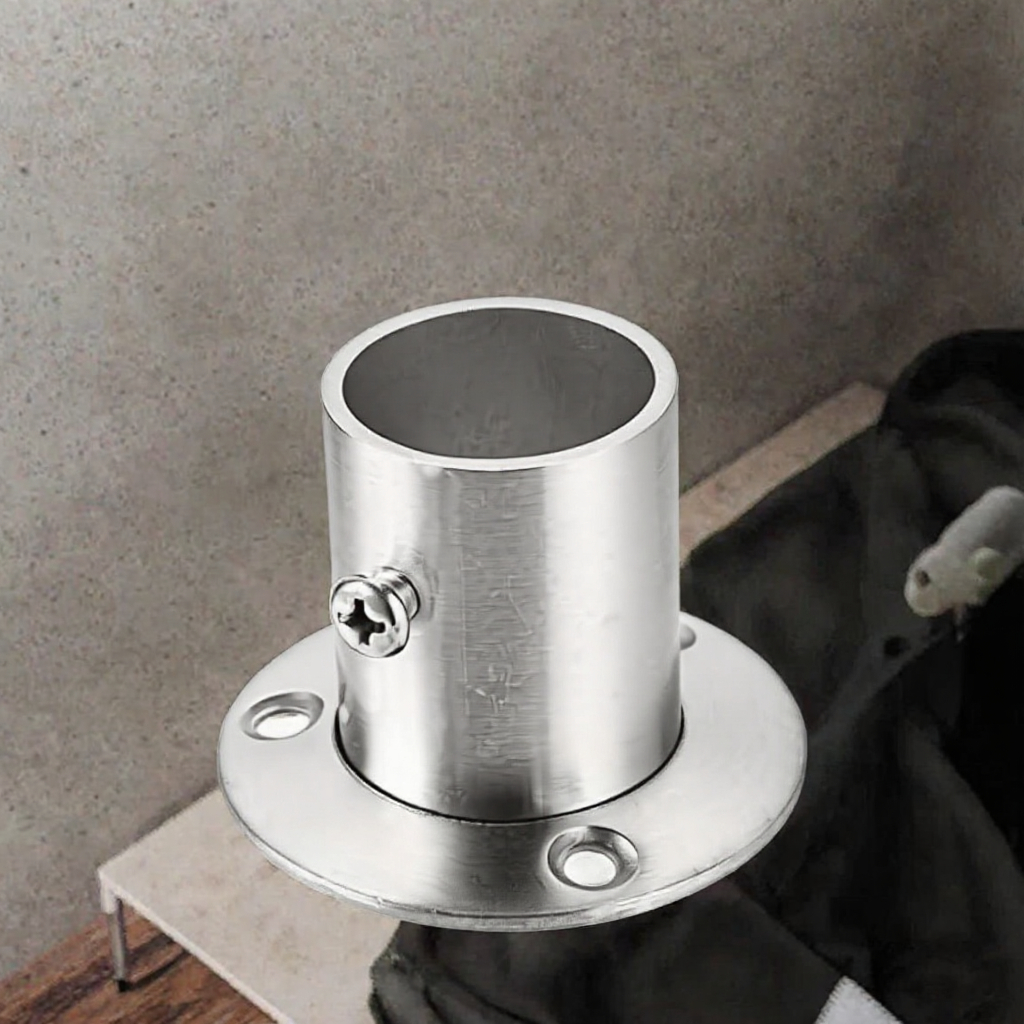
Yes, absolutely. Over 75% of our international shipments are mixed-hardware consolidated containers. Importers can freely combine custom cabinet pull handles with concealed 35mm soft-close hinges, 45mm ball-bearing drawer runners, undermount tandem drawer systems, gas springs, and wardrobe flange brackets into a single bill of lading (B/L) shipped under FOB Guangzhou, FOB Shenzhen, or CIF port terms. This drastically reduces overall customs brokerage fees and maritime freight overhead.

What international commercial payment and trade terms does Jarkul Hardware accept?

We accommodate standard international B2B trade terms including FOB (Free on Board), CIF (Cost, Insurance & Freight), and EXW (Ex Works). Our standard commercial payment terms are T/T (Telegraphic Transfer) with a 30% deposit upon proforma invoice confirmation and 70% balance paid against the Bill of Lading (B/L) copy. For qualified long-term partners, institutional buyers, and high-volume recurring orders, we accept Irrevocable Letters of Credit (L/C at sight), D/P, and D/A terms subject to trade credit insurance approval.

Launch Your Custom Cabinet Hardware Program Today

Send your CAD drawings, dimensional specifications, target finish benchmarks, or sample requirements directly to our engineering team in Guangzhou. We guarantee formal landed quotations, DFM feedback, and tooling timelines within ≤2 hours on business days.