Featured Kitchen Hardware & Cabinetry Drawer Systems
Standardized engineering components, synchronized drawer pulls, and concealed spatial runners designed to streamline turnkey interior joinery and OEM batch assembly.
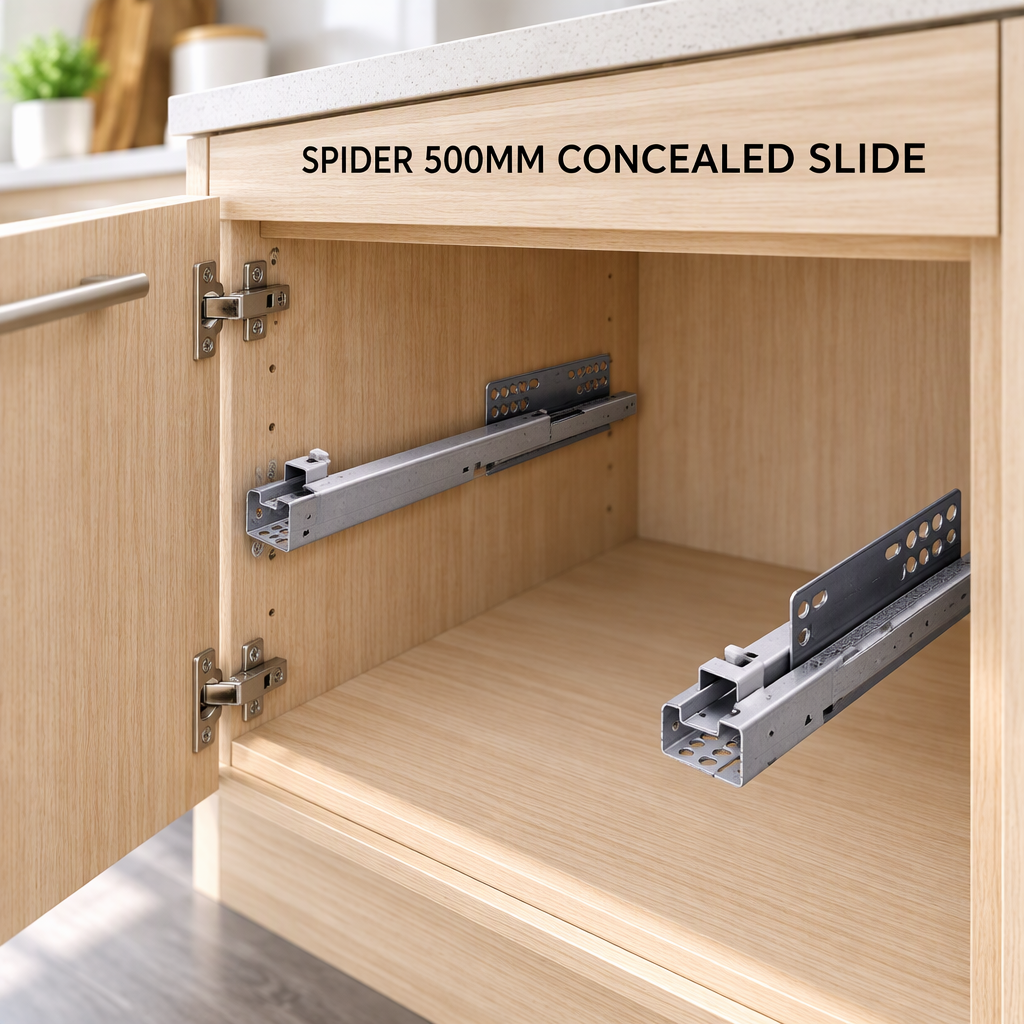
Spider 500mm Concealed Drawer Slides Full Extension Silent 45mm Cold Rolled Steel
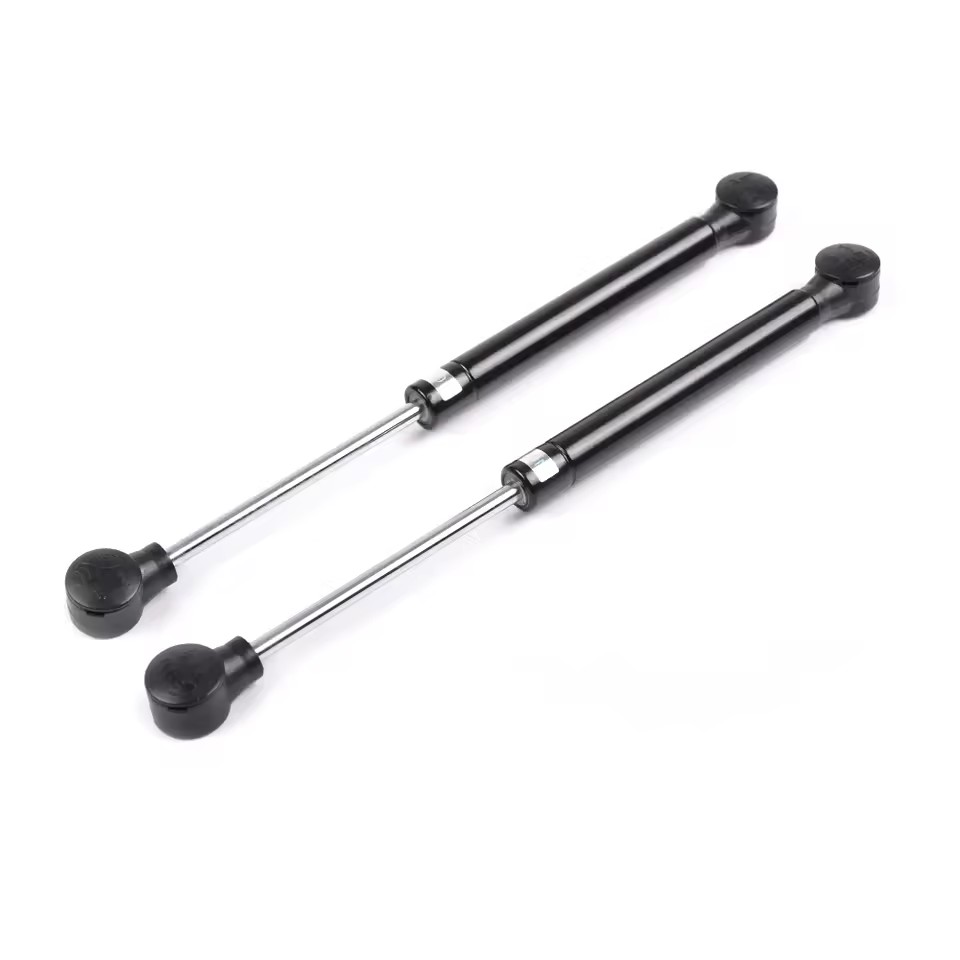
High End Factory Price Gas Spring for Cabinet Doors & Sliding Damper Fittings
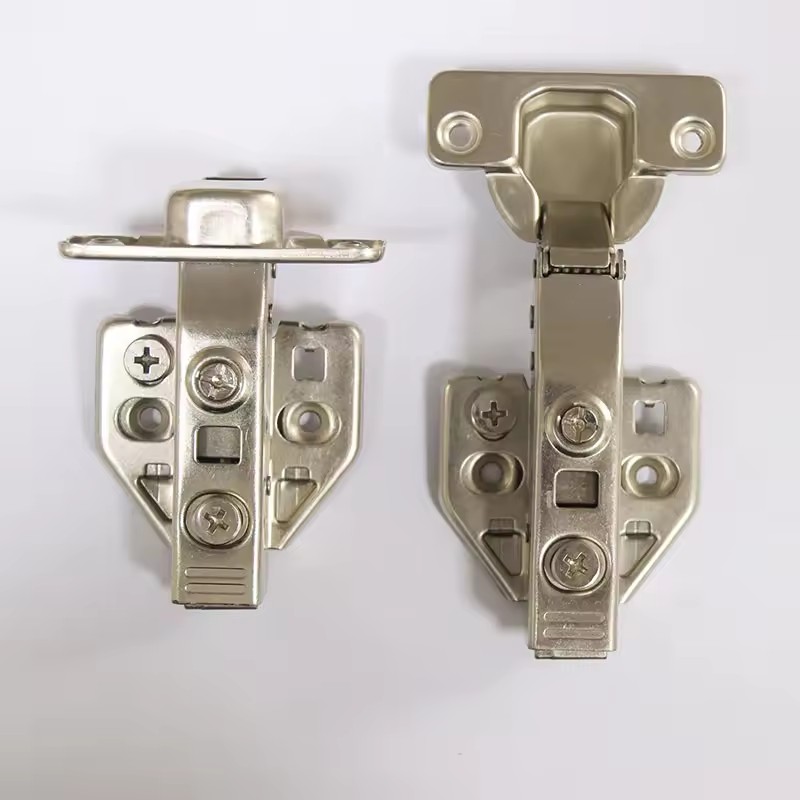
3D Adjustable Fast Installation Detachable Hydraulic Soft Close Door Hinge
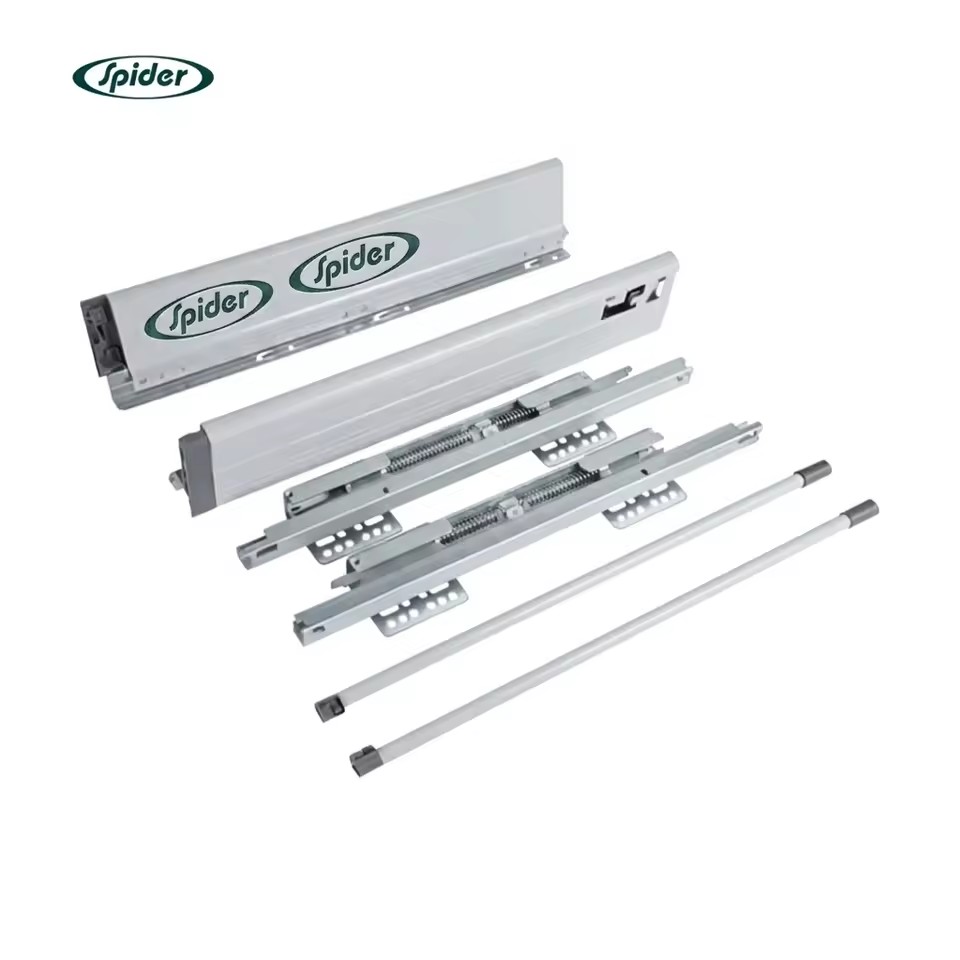
Modern Soft Closing Drawer Box Cabinet Square Steel Double-Walled Rail System
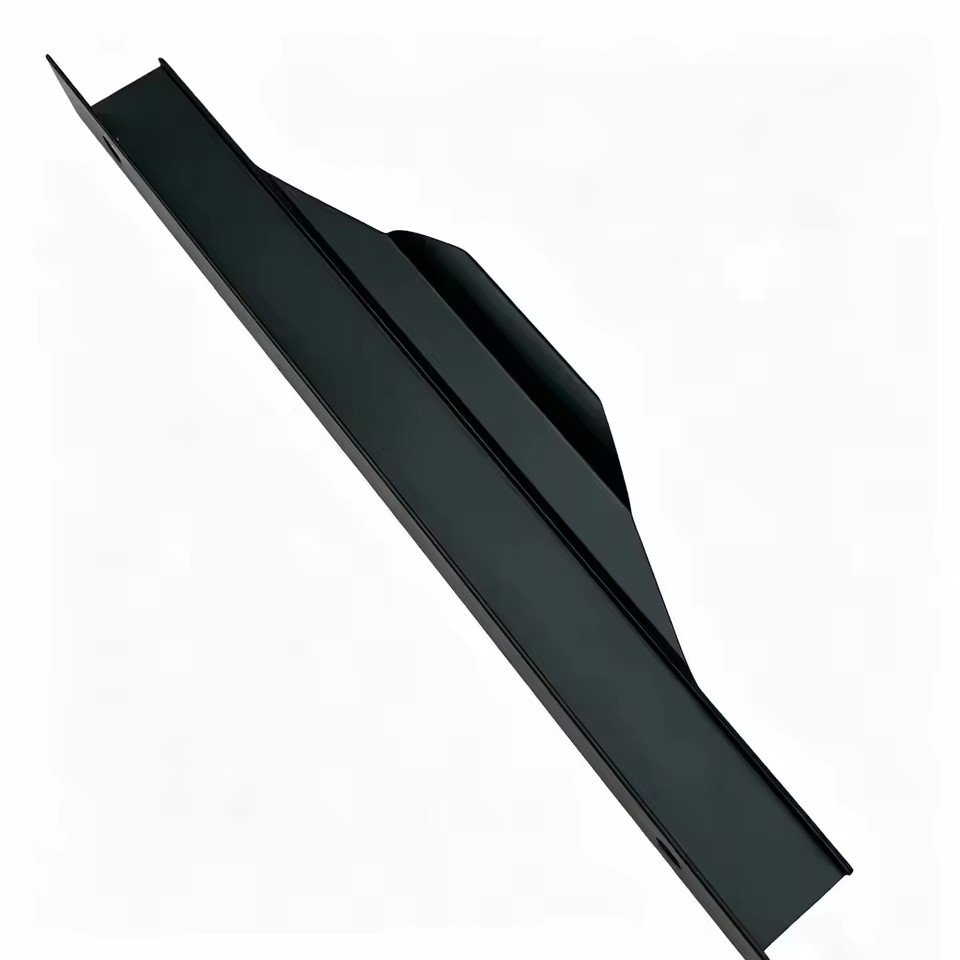
Plastic Modern Square Shape Furniture Hardware Handles for Cabinets & Drawers
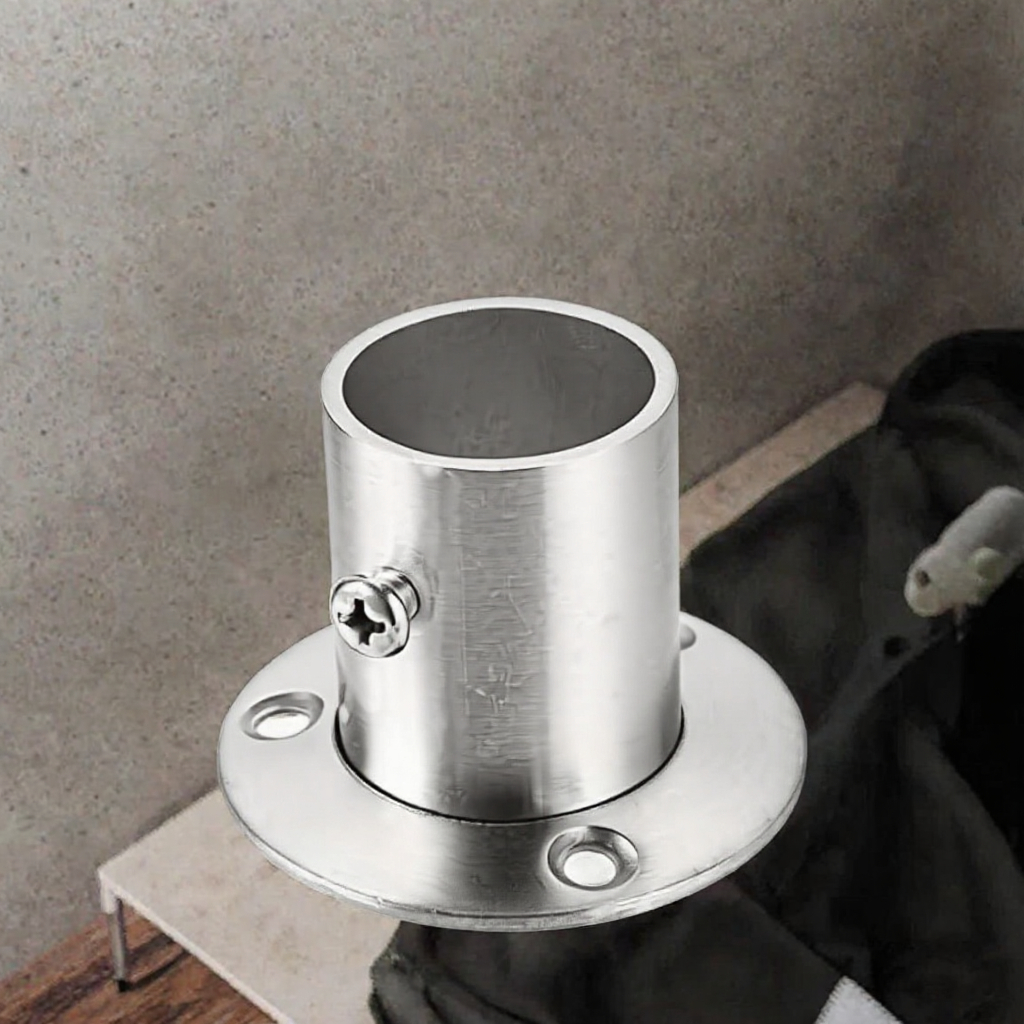
Stainless Steel 25mm Wardrobe Rod Flange Bracket Wall Mount Pipe Support Holder
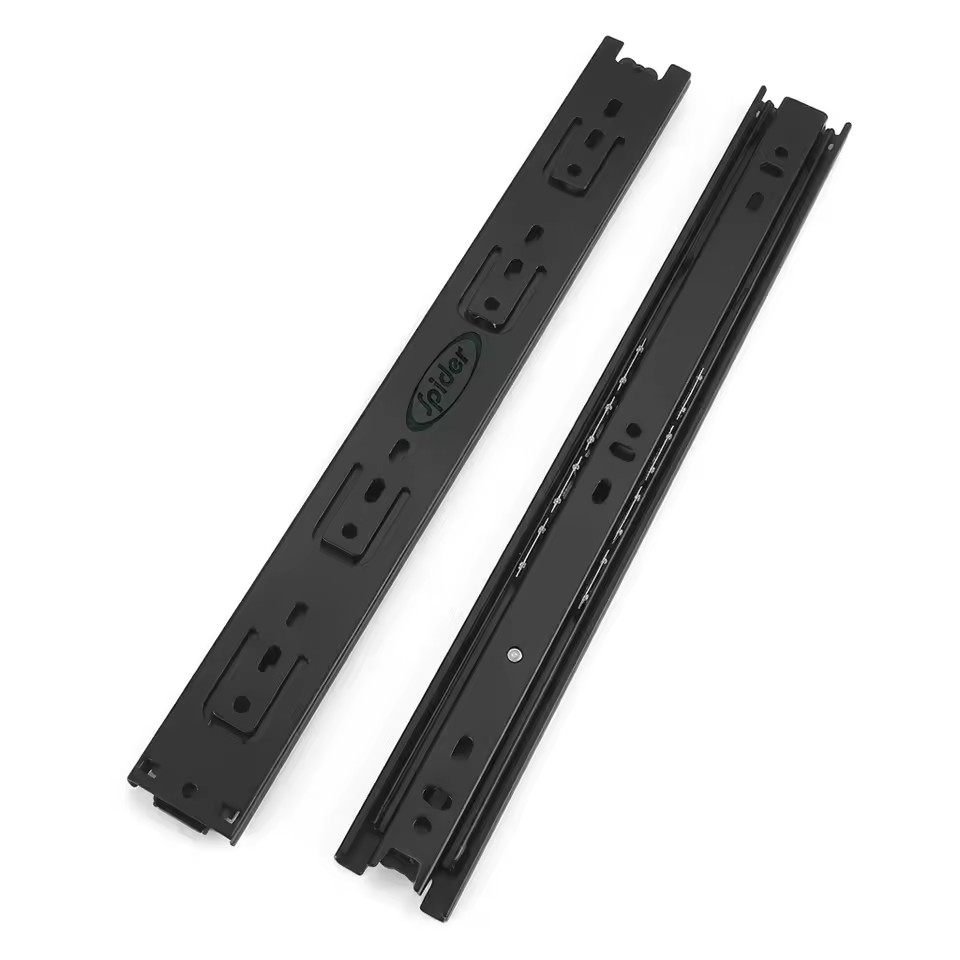
Three-Fold Telescopic Ball Bearing Kitchen Cabinet Drawer Runner Guide Rails
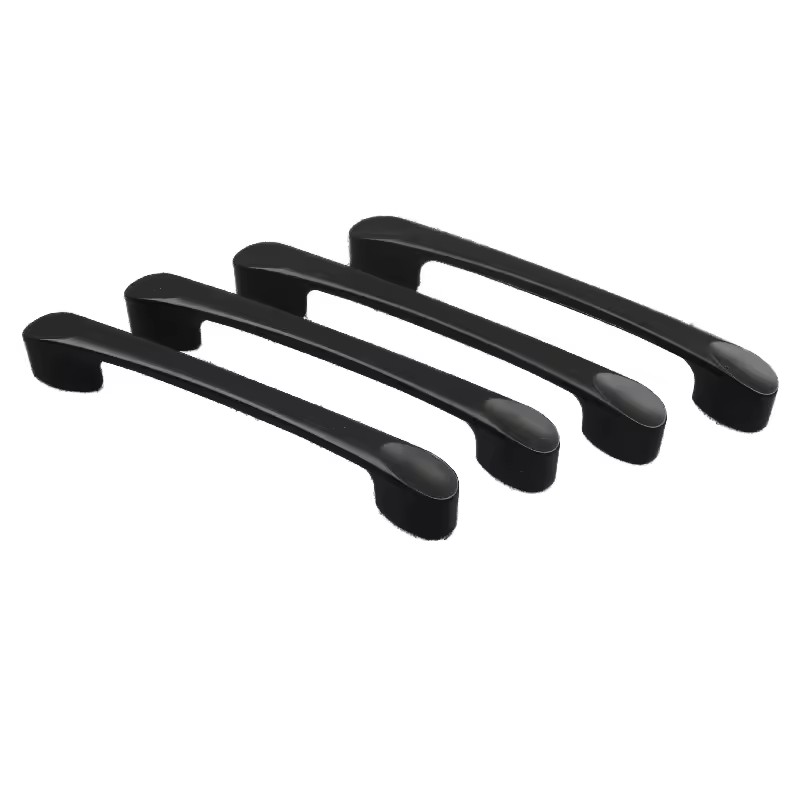
128mm Architectural Matte Black Kitchen Cabinet Aluminium Pull Handle (96/128mm)
Guangzhou Jarkul Hardware Manufacturing & Trade Footprint
Empirical data points verified through third-party export customs clearances, SGS factory audits, and Alibaba.com B2B transaction telemetry.
Global Sourcing Dynamics: Why Chinese Manufacturers Lead the Kitchen Drawer Handle Sector
In commercial and residential cabinetry manufacturing, the drawer handle operates at the intersection of aesthetic distinction and rigorous mechanical ergonomics. While often treated as decorative trim, kitchen drawer pulls endure the highest cycle stresses in architectural joinery. According to global interior hardware benchmarks, an active kitchen drawer handle experiences upwards of 12,000 tension cycles annually, subjected to greasy acidic vapor deposits, variable localized shear stresses, and cyclic friction. As the primary industrial cluster for hardware manufacturing, Guangdong Province, China (predominantly Guangzhou, Foshan, and Zhongshan) produces over 68% of the global supply of architectural zinc, aluminum, and stainless steel pulls.
Achieving cost optimization without sacrificing cyclic longevity requires understanding the metallurgical properties and tooling methods employed by leading Chinese factories. Rather than relying on generic trading intermediaries, international procurement directors must verify raw billet chemical compositions, die-casting pressure parameters, and computerized multi-layer electroplating processes. At Guangzhou Jarkul Hardware Co., Ltd., we balance cost efficiency with European architectural tolerance standards (EN 1906 and ANSI/BHMA A156.9 standards).
"Specifying drawer hardware is a balance of mechanical tensile resilience, galvanic boundary stability, and tactile finish durability. A handle that fails salt-spray testing or pulls out at the thread boss compromises the reputation of the entire millwork build."
Metallurgical Comparison Matrix for Drawer Hardware Alloys
Kitchen hardware typically uses one of three core alloys: Extruded 6063 Aluminum Profile, Die-Cast Zamak-3/Zamak-5 Zinc Alloy, and Deep-Drawn 304 Stainless Steel. Each material exhibits distinct mechanical properties, tooling costs, and surface performance under acidic kitchen environments.
| Alloy Specification | Yield Tensile Strength | Corrosion Resistance | Finishing Flexibility | Tooling Amortization | Optimal Cabinet Application |
|---|---|---|---|---|---|
| 6063-T5 Extruded Aluminum | 145 - 180 MPa | Excellent (Anodized layer ≥12μm) | Anodizing, PVDF Powder, Brushed | Low extrusion die costs ($450 - $900) | Continuous J-Pull profiles, linear minimalist handles, modern tall pantries. |
| Zamak-3 / Zamak-5 (Zinc Alloy) | 200 - 280 MPa | Moderate to High (requires multi-coat plating) | PVD, Electroplate, Brushed Brass, Nickel | Medium tool costs ($1,200 - $3,500) | Complex ergonomic profiles, traditional knobs, high-end decorative cup pulls. |
| AISI 304 Stainless Steel (SUS304) | 215 - 505 MPa | Superior (Passivated oxide barrier) | Satin Brush, Mirror Polish, PVD Titanium | High stamping/machining costs | Commercial hospitality kitchens, laboratory fixtures, exterior outdoor cooking suites. |
| Molded Engineering ABS / Polymer | 40 - 65 MPa | Impervious to moisture; low chemical resistance | In-mold graining, matte spray coat | High steel-mold entry costs ($3,000+) | Modular rental apartments, temporary work surfaces, cost-engineered projects. |
Future Sourcing Trends Shaping 2025–2030 Hardware Procurement
As building codes evolve toward sustainable building lifecycle analysis and modern kitchen design embraces ultra-minimalism, procurement heads must plan for key hardware innovations entering production facilities across China:
Eco-Responsible PVD Coating
Traditional toxic hexavalent chrome electroplating is being replaced by Physical Vapor Deposition (PVD) titanium sputtering in vacuum chambers, offering 480-hour salt spray endurance with zero toxic wastewater discharge.
Seamless Profile Integration
Integrated J-pull, Gola channels, and zero-clearance lip handles are overtaking surface-mounted knobs. Extruded aluminum profile pulls allow modular cutting to custom metric cabinet widths.
Universal System 32 Precision
Global multi-unit housing developments demand universal 32mm center-to-center (CC) pitch conformity. CNC-machined blind brass thread inserts prevent stripping during high-speed torque installation.
Quality Engineering: Key Inspection Protocols for High-Volume OEM Orders
When managing overseas production across Chinese factories, relying solely on pre-shipment photographs introduces major project risks. A robust factory audit program focuses on four objective, instrument-tested parameters:
1. Thread Boss Torque & Tensile Extraction
The screw connection boss is the primary failure point for drawer pulls. Testing requires torquing an M4 screw into the handle boss to ≥ 4.8 N·m before stripping occurs. A pull-out tensile test on a calibrated universal tester must confirm a minimum retention load of 850 Newtons.
2. Neutral Salt Spray (ASTM B117 / ISO 9227)
Kitchen handles must withstand airborne oils, acids, and high humidity. Standard hardware passes only 24 hours of salt spray testing. For high-end export specs, Guangzhou Jarkul hardware maintains a minimum 96-hour NSS rating for electroplated finishes and 480 hours for PVD and anodized treatments.
3. Cross-Hatch Adhesion (ASTM D3359 / ISO 2409)
Using a multi-blade cutter, technicians scribe a grid pattern through the paint or electroplated layer down to the bare substrate. Applying pressure-sensitive 3M tape reveals whether peeling occurs. Quality-approved batches must reach a Class 0 or Class 1 rating.
4. Surface Micro-Hardness & Spectrometry
To prevent batch-to-batch alloy variation (such as using cheap scrap zinc contaminated with lead or tin), raw alloy ingots undergo Optical Emission Spectrometry (OES) to guarantee Zamak-3 purity, preserving long-term structural integrity.
Guangzhou Jarkul Hardware: Complete Single-Source Architectural Supply
Founded in 2011 and headquartered in the Keda Industrial Park (Huadu District, Guangzhou), Guangzhou Jarkul Hardware Co., Ltd. has established an integrated supply ecosystem serving B2B importers, architectural millwork contractors, and regional distributors in more than 30 countries.
Full Bill of Materials Consolidation
Consolidate your drawer handles with 35mm hydraulic soft-close hinges, 45mm cold-rolled steel ball-bearing runners, undermount slides, and gas lift struts into a single 20ft or 40ft HQ container, lowering landed freight costs by up to 22%.
Complete SGS Test Verification
We provide third-party SGS cycle and metallurgical test reports, verifying dimensional tolerances, cycle durability, and non-toxic surface passivations to help you clear international customs smoothly.
Dedicated Export Account Management
With an average quotation response time under 2 hours and an overall 97.3% response rating, our multilingual engineering team reviews your CAD drawings, provides DFM feedback, and delivers physical samples within 7 business days.
Frequently Asked B2B Sourcing Questions
Common technical, commercial, and logistical questions raised by global supply-chain directors before placing OEM drawer handle orders.
Request Engineering Specs, Quotations & Prototype Samples
Connect with our technical sales engineers in Guangzhou to review CAD drawings, confirm dimensional tolerances, and schedule consolidated container bookings.