High-Performance Hardware & Telescopic Runner Systems
Explore our export-certified product lines designed for kitchen cabinetry, architectural casework, and modular office furniture.
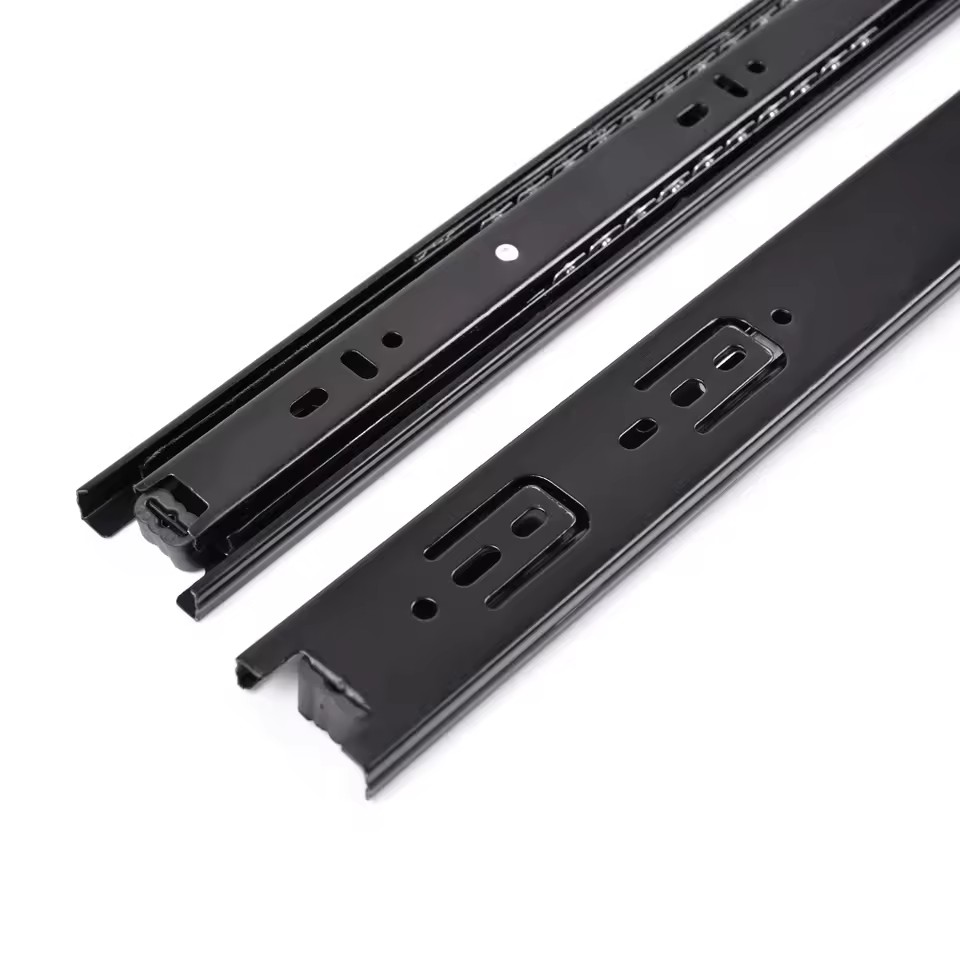
Black Coating Telescopic Channel Drawer Slides Cold Rolled Steel Ball Bearing Slide 45mm
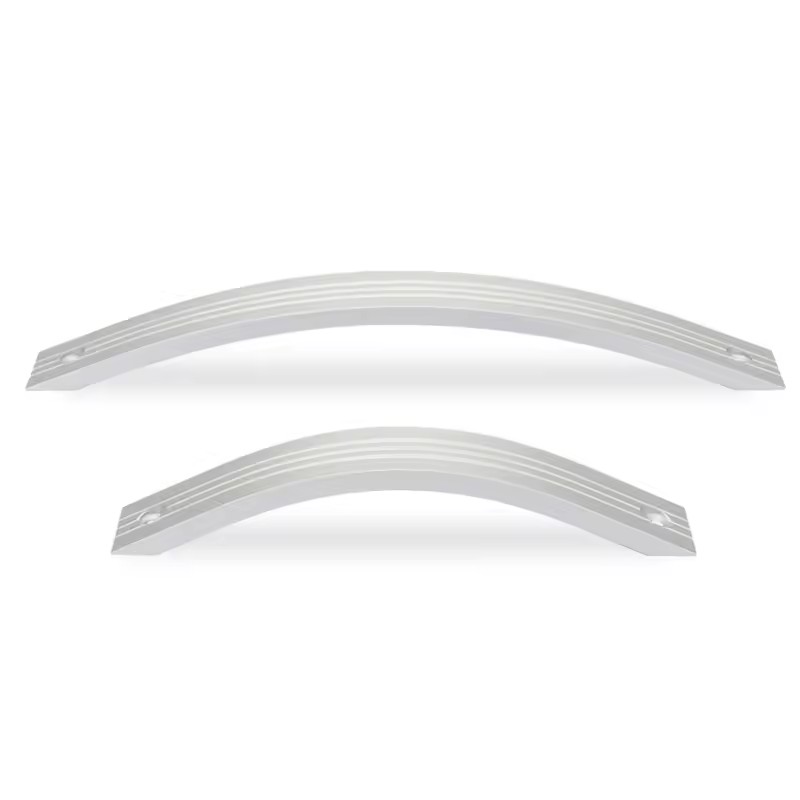
Kitchen Cabinets Door Pull OEM Furniture Hardware Aluminium Cabinet Handles
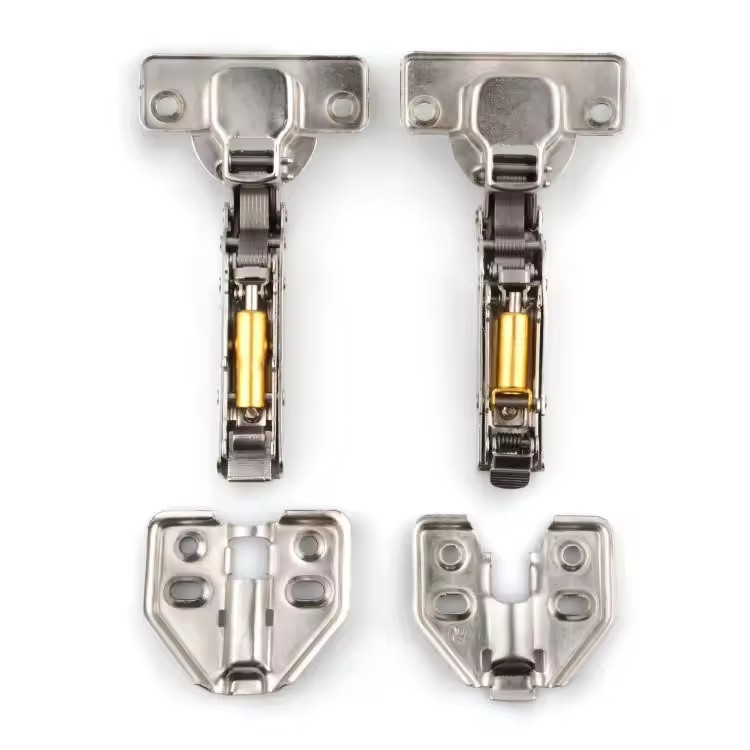
Soft Close Auto Adjustable Hydraulic 35mm Concealed Cabinet Hinge
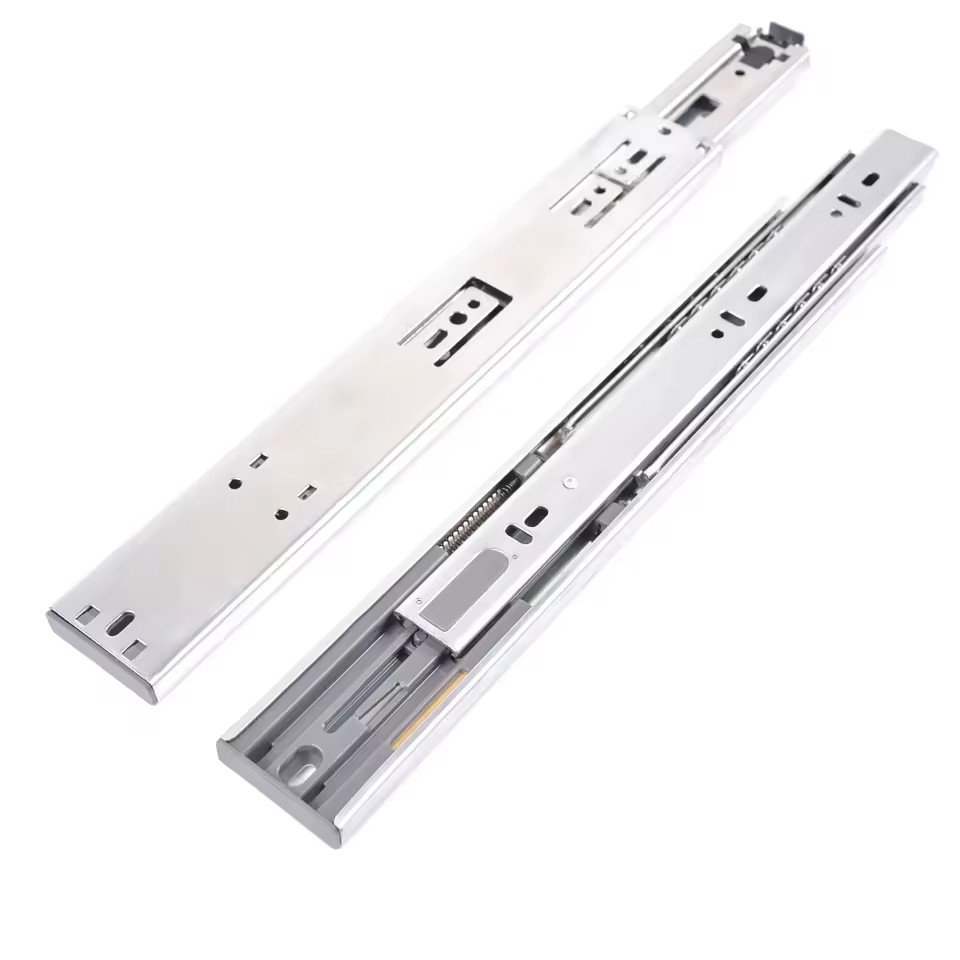
High Quality 45 mm Steel Drawer Slides Three Section Ball Bearing Rails
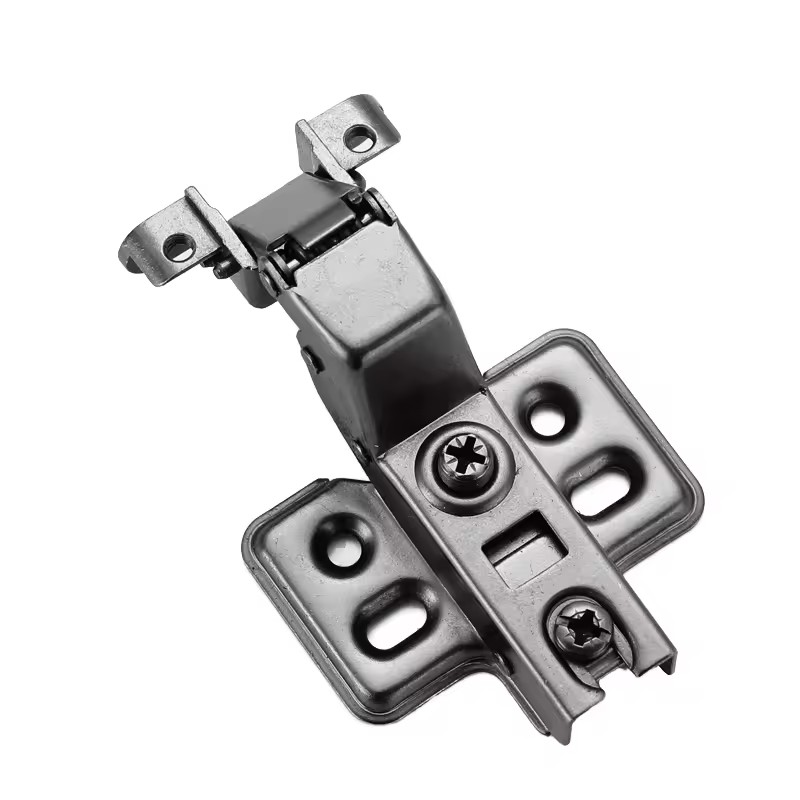
Soft Close Full Overlay Cabinet Hinge Hydraulic Silent Contemporary Design
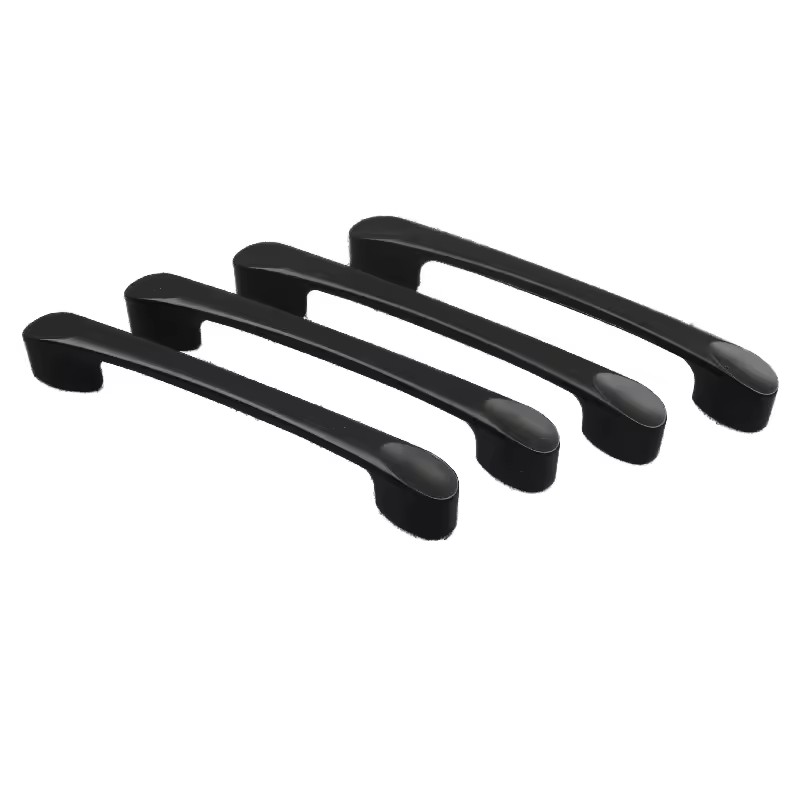
128mm Modern Black Aluminium Kitchen Cabinet Handles & Pulls
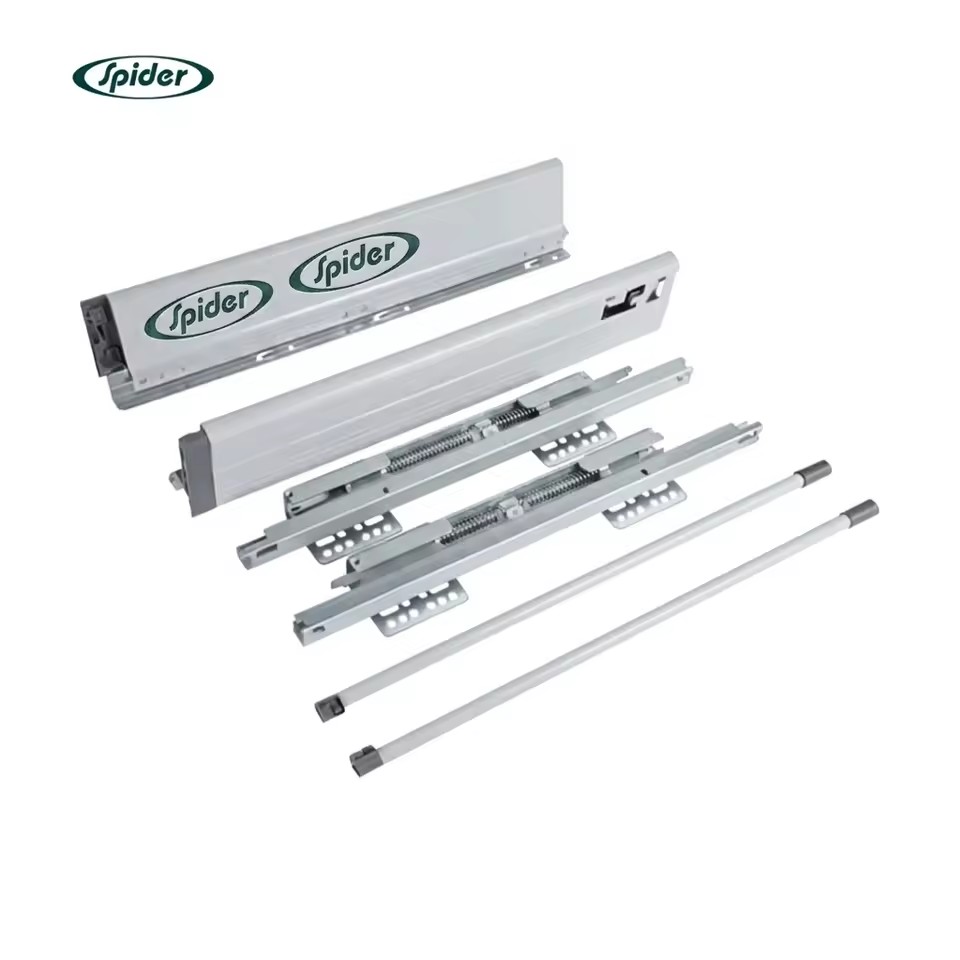
Modern Soft Closing Double-Walled Drawer Box Cabinet Rail System
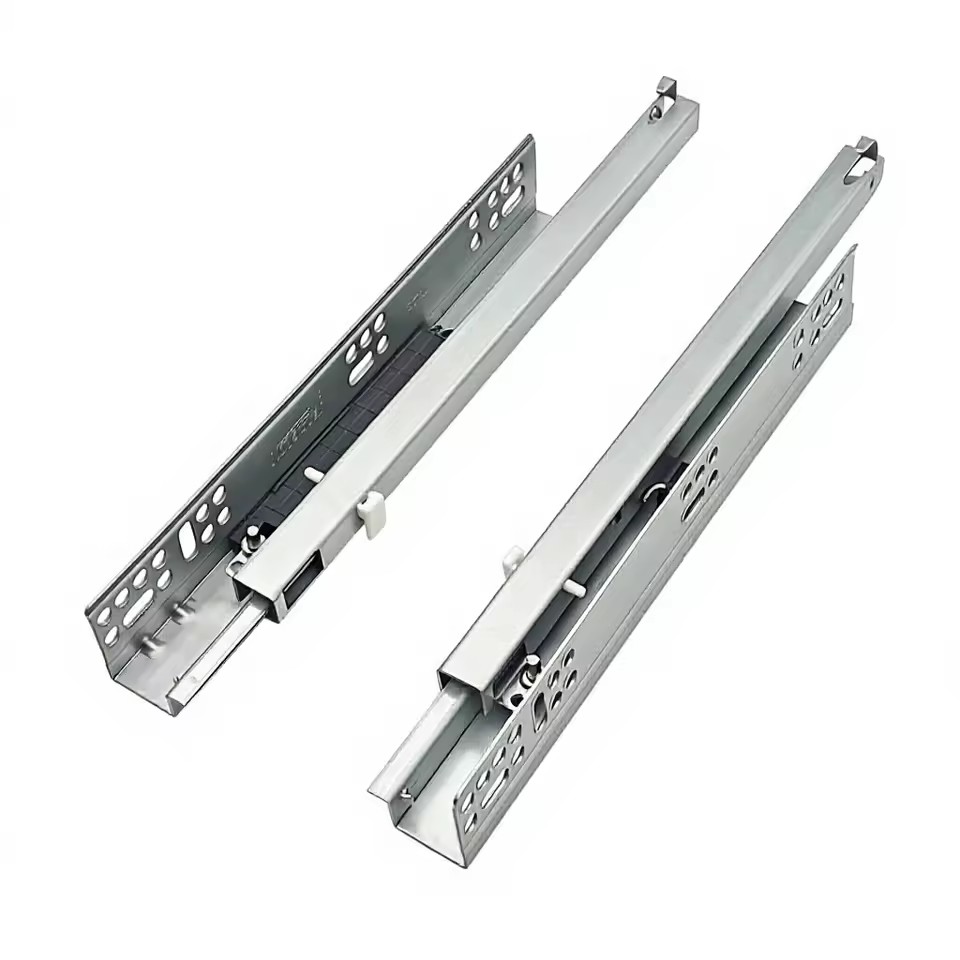
Modern Steel Drawer Bottom Mount Slide Silent Hidden Rail Guide
Engineering Precision: Metallurgical & Kinematic Anatomy of Industrial Slides
A comprehensive examination of cold-rolled steel profiling, steel ball kinematics, and cycle-life optimization for modern architectural casework.
1. Cold-Rolled SPCC Steel Selection and Thickness Tolerances
In high-frequency commercial and residential cabinetry, the mechanical integrity of a three-fold ball bearing telescopic slide begins with raw material metallurgy. Premium China manufacturers rely on high-yield cold-rolled steel (SPCC grade) conforming to JIS G3141 standards. Unlike recycled commercial strip steel, virgin SPCC grade guarantees an isotropic crystalline lattice, providing consistent tensile yield strengths between 270 and 390 MPa. This uniform molecular density prevents longitudinal rail warping during continuous dynamic cyclic deflection under full load ratings.
Thickness tolerance represents the primary differentiator between promotional-grade consumer hardware and architectural-grade slides. Standard light-duty drawer runners frequently cut material thickness down to 0.8mm or 0.9mm across the outer, intermediate, and inner channels, resulting in channel deflection and ball cage jamming beyond 20kg of static mass. In contrast, our heavy-duty 45mm and 53mm telescopic series are stamped with rigorous 1.0/1.0/1.2mm or 1.2/1.2/1.5mm gauge profiles. Calibrated dimensional precision ensures that transverse play remains below 0.35mm across the entire 600mm cantilevered stroke, satisfying both ANSI/BHMA A156.9 Grade 1 and DIN EN 15338 Level 3 standards.
2. Ball Retainer Dynamics and Kinematic Load Distribution
The continuous rolling interface within a telescopic runner relies on solid carbon steel micro-spheres contained within a rigid or semi-flexible cage retainer. High-precision ball bearing slides use high-carbon steel balls (AISI 1010/1015 or bearing grade GCr15) heat-treated to an average hardness of HRC 60–64. Minor variations in spherical diameter within a single rail assembly can induce point-loading failures; our production process integrates laser optical sorting to constrain ball diameter deviations within ±0.002mm across all raceways.
The raceway geometry is roll-formed with a continuous four-point gothic arch cross-section. This mechanical profile allows each ball bearing to sustain balanced contact vectors during both downward vertical loads and horizontal torsional shear forces (which occur when end-users pull drawers off-center). To dampen vibration and prevent the metallic resonance common in entry-level runners, high-molecular polyoxymethylene (POM) or self-lubricating virgin Nylon 66 retainers are utilized. These specialized ball cages withstand thermal fluctuations ranging from -20°C to +75°C without embrittlement or structural creep.
3. Surface Passivation, Salt Spray Corrosion Resistance, and Fluid Lubrication
Hardware lifecycle durability is fundamentally linked to surface passivation chemistry. Export shipments destined for high-humidity coastal zones (e.g., Southeast Asia, the Gulf Cooperation Council, the Caribbean, and Central America) require rigorous corrosion mitigation. Standard galvanized coatings fail within 12 to 24 hours of ASTM B117 neutral salt spray (NSS) testing. Our automated barrel-plating and rack-plating lines apply an electro-galvanized trivalent blue zinc coating or an advanced electrophoretic black resin deposit with a uniform layer thickness ranging from 8µm to 14µm.
Following zinc electrodeposition, our components undergo an eco-friendly hexavalent-chromium-free passivation process that seals surface microscopic fissures against ambient moisture penetration. This surface treatment consistently achieves over 48 to 96 hours of NSS resistance without white rust formation, and up to 240 hours without red base-metal corrosion. Lubrication is managed using high-viscosity synthetic lithium-soap fluorosilicone greases engineered for micro-bearings, preventing oil bleeding in tropical container voyages and avoiding stiff, sluggish drawer action in sub-zero North American and Eastern European winters.
Industrial Drawer Slide Selection Matrix
Compare mechanical architectures to select the optimal runner configuration for your project's load profile and assembly parameters.
| Slide Architecture | Profile Height & Width | Material Thickness | Dynamic Load Rating | Extension Ratio | Lifecycle Cycle Test | Target Applications |
|---|---|---|---|---|---|---|
| 35mm Ball Bearing Slide | 35.0mm × 12.7mm | 0.9 / 0.9 / 1.0 mm | 25 kg / 55 lbs | Full 3-Section Extension | 30,000 Cycles | Bedroom nightstands, office pedestals, school desks |
| 45mm Telescopic Slide (Standard) | 45.0mm × 12.7mm | 1.0 / 1.0 / 1.2 mm | 35 kg / 77 lbs | Full 3-Section Extension | 50,000 Cycles | Standard kitchen base units, wardrobe drawers |
| 45mm Heavy-Duty Soft-Close | 45.0mm × 12.8mm | 1.2 / 1.2 / 1.5 mm | 45 kg / 100 lbs | Full 3-Section Extension | 60,000 Cycles | Deep pot drawers, commercial office filing systems |
| 53mm Industrial Locking Slide | 53.0mm × 19.1mm | 2.0 / 2.0 / 2.0 mm | 100 kg / 220 lbs | Full Extension w/ Lock | 80,000 Cycles | Emergency vehicles, industrial tool chests, machinery racks |
| Concealed Undermount Slide | Variable Concealed | 1.5 / 1.5 mm Alloy Plate | 30–35 kg / 75 lbs | Single / Full Extension | 50,000 Cycles | High-end bespoke millwork, luxury solid wood cabinetry |
| Double-Wall Tandem Box System | 84mm / 135mm / 199mm | Internal Sync Rails | 40–50 kg / 110 lbs | Synchronized Full Ext. | 60,000 Cycles | Modern handle-less luxury kitchen designs, apartment fitouts |
Global Furniture Hardware Procurement Trends: 2025–2030
Actionable intelligence for corporate procurement directors, brand merchandisers, and global hardware distributors.
1. Convergence of Push-to-Open & Soft-Close Kinetics
The global aesthetic migration toward handle-less, minimalist cabinetry has exposed the functional shortcomings of early-generation push-latches. The market is transitioning toward integrated mechanical systems that combine tactile spring-loaded bounce actuation with smooth hydraulic deceleration inside a single rail assembly.
- Elimination of manual drawer knob hardware costs
- Mechanical synchronizer linkages across ultra-wide drawers (up to 1200mm)
- Zero-clearance front face alignment for flush integrated paneling
2. Digital Logistics & Mixed-Container Consolidation
With international freight rate volatility and localized inventory carrying costs under scrutiny, high-volume importers are shifting away from single-SKU full container loads (FCL). Sourcing strategies increasingly favor agile manufacturers capable of cross-docking complementary hardware categories into consolidated containers.
- Unified shipments of ball bearing slides, hinges, and aluminum profiles
- Optimized volumetric container nesting reducing dead cubic volume
- Centralized quality audit reports covering diverse hardware families
3. Decarbonization & Circular Material Directives
European Union CBAM (Carbon Border Adjustment Mechanism) directives and North American ESG reporting mandates are requiring Tier-1 hardware factories to provide auditable raw material provenance. Suppliers must demonstrate reduced carbon footprints through sustainable processing.
- Transition to closed-loop recycled industrial wastewater in electroplating
- RoHS, REACH, and California Proposition 65 chemical compliance
- Elimination of disposable single-use polybags in favor of unbleached kraft packaging
Why Global Buyers Partner with Guangzhou Jarkul Hardware Co., Ltd.
Combining automated tooling, strict multi-stage quality control, and dedicated international trade account management.
15 Years of Dedicated Manufacturing & Global Export Expertise
Established in 2011, Guangzhou Jarkul Hardware Co., Ltd. has developed from an engineering tooling workshop into a multi-category architectural hardware enterprise. Operating with over 91% export-dedicated capacity, our production systems, packaging configurations, and international freight documentation are fully aligned with the operational requirements of global B2B supply chains.
Our manufacturing operations are based in the Keda Industrial Park, Xiuquan Street, Huadu District, Guangzhou, placing our logistics team within convenient proximity of primary export ports including Huangpu, Nansha, Shenzhen Yantian, and Shekou. This geographic infrastructure ensures dependable sailing schedules, reduced drayage transit times, and immediate showroom access for international buyers visiting the biannual Canton Fair.
End-to-End OEM/ODM Customization & Private Label Packaging
We offer full OEM and ODM services to support your brand's market positioning. Our technical engineering division provides comprehensive private-label branding services, including fiber-laser logo engraving on slide rails, custom progressive stamping of buyer trademarks on hinge arms, and tailored packaging solutions.
From full-color retail shelf boxes with EAN/UPC barcoding for building material home centers, to heavy-duty unprinted corrugated bulk cartons for industrial cabinet makers, our packaging meets drop-test and ocean-transit compression standards. Detailed CAD shop drawings, 3D STEP files, and physical pre-production tooling samples are confirmed in writing prior to mass production.
Verifiable In-House Quality Assurance & Third-Party Testing
Quality control is managed across four sequential checkpoints: incoming steel coil spectroscopic validation (verifying thickness, carbon content, and plating adherence), continuous in-process dimensional tolerance auditing, cycle-fatigue endurance testing using automated pneumatic test rigs, and post-assembly functional inspection.
Our drawer slides and hydraulic concealed hinges consistently maintain SGS-verified performance test compliance. We offer documentation validating 50,000 to 80,000 opening/closing cycles under full static and dynamic load ratings, as well as neutral salt spray (NSS) test reports from accredited third-party laboratories. Client-appointed pre-shipment inspections (e.g., SGS, Bureau Veritas, Intertek, or proprietary buyer audits) are supported on every order.
Export Track Record & Flexible Commercial Terms
Jarkul Hardware supplies commercial buyers across more than 30 countries and regional markets, including the United Arab Emirates, Saudi Arabia, Kuwait, Egypt, South Africa, India, Pakistan, Malaysia, the Philippines, Canada, the United States, the United Kingdom, and Uruguay. Our extensive export exposure enables us to manage regional documentation requirements efficiently (such as SABER registrations, SASO certificates, Form E, COO, and legalized commercial invoices).
To facilitate sustainable working capital management for our distribution partners, we accommodate flexible, multi-currency trade structures. We quote on FOB, CIF, CFR, and EXW terms, processing payments in USD, EUR, or CNY via Telegraphic Transfer (T/T), Letters of Credit at sight (L/C), Documents Against Payment (D/P), Documents Against Acceptance (D/A), or PayPal for prototype tooling fees.
Frequently Asked Questions: B2B Sourcing & Engineering
Direct technical and operational answers to the most critical questions posed by corporate procurement managers and hardware importers.
QHow does cold-rolled steel thickness directly impact slide dynamic load ratings?
Material thickness dictates cross-sectional moment of inertia, which determines resistance to bending forces when drawers are fully extended. A 45mm slide stamped from 1.0/1.0/1.2mm steel safely supports a 30kg dynamic load over 50,000 cycles. Stepping up to a 1.2/1.2/1.5mm profile increases the load capacity to 45kg without channel spreading or ball-bearing migration. Specifying undersized steel gauge (such as 0.8mm) risks rail deflection, internal ball jam, and operational failure under heavy domestic or commercial use.
QWhat is the standard minimum order quantity (MOQ) for custom OEM ball bearing slides?
Standard catalog models with zinc plating carry an accessible MOQ of 500 to 1,000 pairs, allowing new distributors to conduct initial market testing. For customized OEM production—including custom customer logo stamping, bespoke rail lengths, specialized hole-punch patterns, or individualized color retail packaging—the typical production MOQ ranges from 2,000 to 5,000 pairs depending on the size and tooling requirements. Telescopic slides are quoted on a competitive per-inch or per-pair metric.
QHow do you protect slides against ocean freight humidity and salt air corrosion?
Transoceanic container shipments experience extreme relative humidity and temperature variations (container rain). We protect our hardware through a three-stage defense: first, applying a trivalent chromium passivation layer over electro-galvanized zinc; second, applying non-staining vapor corrosion inhibitor (VCI) oils; and third, packing with food-grade silica gel desiccant packs inside sealed inner polybags, all enclosed within heavy 5-ply double-wall export master cartons.
QCan we consolidate ball bearing slides with hinges and handles in one container?
Yes. One of Jarkul Hardware's core operational advantages is mixed-container consolidation. Importers can combine high-density, high-weight cargo (such as cold-rolled steel ball bearing slides and concealed hydraulic hinges) with lower-density, volumetric goods (such as aluminum profile cabinet handles, gas spring struts, and PVC plinth legs). This balanced loading optimizes both container weight capacity (payload) and cubic volume (CBM), lowering landed freight costs per item.
QWhat cycle-testing standards do your slides undergo before global export?
Our quality assurance lab tests slides on automated pneumatic test stations in accordance with ANSI/BHMA A156.9 Grade 1 and European EN 15338 standards. The slide pairs are loaded to their rated operational capacity (e.g., 35kg or 45kg) and cycled continuously at 10 to 15 strokes per minute across a 100% extended stroke. We continuously monitor for horizontal play, sagging tolerances (≤ 1.5mm allowable under load), insertion force spikes, and rebound damping degradation across 50,000 to 80,000 cycles.
QWhat is the lead time for standard versus customized hardware production orders?
Physical sample evaluation kits and catalog stock samples ship via international express within 48 to 72 hours. For standard mass production repeat orders, factory manufacturing lead times generally range between 25 and 30 business days following deposit receipt and drawing confirmation. First-run custom OEM/ODM orders requiring newly engraved progressive stamping dies or custom printed packaging cartons require approximately 35 to 40 days to ensure proper pre-production testing.
Optimize Your Global Hardware Supply Chain Today
Connect directly with our engineering and export sales specialists in Guangzhou. Whether you require standard 45mm soft-close ball bearing slides, custom OEM surface finishes, or consolidated container loading with concealed hinges and handles, our team delivers complete quotations, technical drawings, and landed logistics plans within 2 hours.