Aluminum Frame Glass Door Hinge: Engineering Standards, Profile Compatibility, and 2025–2030 Global Sourcing Trends
An in-depth procurement and structural analysis answering real questions from international cabinet manufacturers, furniture architects, and hardware importers.
Why Global Cabinet Importers Face High Failure Rates with Glass Door Hinges
In contemporary architectural joinery, high-end residential wardrobes, and commercial retail showcases, the transition from heavy solid timber doors to ultra-narrow aluminum frame glass doors is accelerating at an unprecedented pace. However, international B2B buyers frequently report warranty callbacks: door sagging, hydraulic oil leakage, shattered tempered glass, and unsightly gaps caused by poor 3D adjustment tolerances.
Unlike traditional 35mm wooden door cup hinges, an Aluminum Frame Glass Door Hinge interacts with a rigid metallic extrusion rather than flexible timber fibers. This means microscopic drilling misalignments cannot be absorbed by the substrate. Precision engineering, structural cold-rolled steel link arms, stable damping cylinders, and micro-metric cam adjustments are mandatory to maintain flush seams across 2.7-meter-tall vitrines.
"In aluminum profile doors, the hinge does not merely hold the panel; it acts as the primary structural tie-back resisting torsional deflection across slender extruded aluminum profiles."
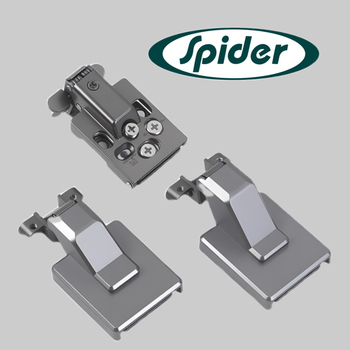
Recommended Aluminum Frame Glass Door Hinge Configurations
Targeted models engineered for modern narrow profiles, heavy vitrine systems, and frameless minimalist aesthetics.
01. 3D Narrow Aluminum Frame Soft-Close Hinge
Profile Compatibility: 19mm–22mm edge width; 11mm cup pocket depth.
Overlay Modes: Full Overlay (18mm), Half Overlay (9mm), Inset (0mm).
Key Application: Luxury glass wardrobes, modern pantry vitrines, and wine cellar cabinets. Features independent cam screws for ±2mm vertical, ±2mm horizontal, and ±1.5mm depth adjustment without loosening profile fixings.
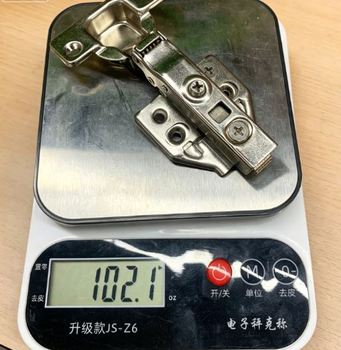
02. Clip-On Hydraulic Hinge for Wide Profiles (28–45mm)
Profile Compatibility: 28mm to 45mm aluminum borders holding 4mm/5mm glass.
Damping Mechanism: High-pressure sealed hydraulic brass cylinder, anti-freeze oil.
Key Application: Commercial display cases and high-traffic kitchen glass cupboards. Quick-release clip-on mechanism simplifies glass door installation and demounting on job sites.
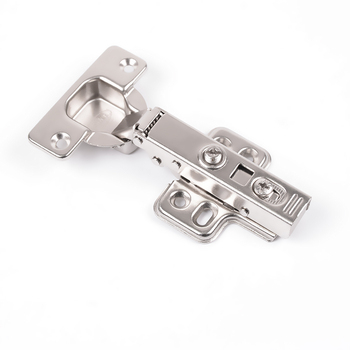
03. Top & Bottom Concealed Pivot System for Glass Doors
Profile Compatibility: Minimalist perimeter aluminum borders up to 2.8m height.
Load Bearing: Top and bottom ceiling/floor anchor mounting up to 35kg per door.
Key Application: Full-height frameless look vitrines and floor-to-ceiling glass display units where side-mounted hinges would disrupt internal cabinet LED strips.
| Model Typology | Profile Slot Spec (W × D) | Opening Angle | Cup/Plate Material | Cycle Life (EN 15570) | Salt Spray Rating |
|---|---|---|---|---|---|
| Jarkul 3D Slim-AFH01 | 19–22mm × 11.5mm | 100° – 105° | Cold-rolled steel + Zinc alloy head | ≥ 50,000 cycles | NSS 48h / 72h optional |
| Jarkul Wide-AFH02 | 28–45mm × 12.0mm | 95° – 110° | Hardened cold-rolled steel (Ni / Black) | ≥ 80,000 cycles | NSS 96h electroplated |
| Jarkul Pivot-V03 | Top/Bottom Profile Mount | 110° Free-stop & Soft | High-density zinc alloy + Stainless steel | ≥ 100,000 cycles | NSS 96h electrophoretic |
| Jarkul Corner-165AF | 20–25mm profile slot | 165° Wide opening | Multi-link carbon steel arm | ≥ 50,000 cycles | NSS 48h neutral test |
Product Development Trends Shaping Aluminum Frame Glass Hinges
Hardware engineering has shifted from basic articulation to precision multi-functional components integrated with architectural surfaces.
1. The Shift to Ultra-Slim Profiles (from 45mm to ≤18mm)
Traditional European and Asian cabinet makers relied on 45mm-wide aluminum borders that could house standard 35mm round hinge cups. Today, interior design trends demand "invisible borders." High-end closet systems feature slim frames measuring only 18mm to 20mm in width. Hardware developers are required to redesign hinge cup geometry into compact rectangular or oblong blocks that anchor directly into the aluminum extrusion's specialized internal channel without weakening profile walls or touching the glass edge.
2. Surface Finishing Harmony: Titanium Gray and Deep Matte Black
Polished nickel plating is no longer the sole standard. With aluminum extrusions predominantly specified in anodized brushed titanium, champagne gold, and deep matte black, hinges must match the carcass and frame aesthetics. Manufacturers now utilize electrophoretic deposition and multi-stage vacuum PVD coating to deliver scratch-resistant, non-reflective finishes that withstand long-term friction without flaking.
3. Micro-Hydraulic Dampers with Anti-Bounce Soft Closing
Glass panels have lower impact tolerance and higher resonant vibration than wood. A harsh stop can vibrate the glass pane within its silicone gasket, causing rattling or glue fatigue over time. Modern aluminum frame glass door hinges utilize dual-stage miniature hydraulic pistons. They offer soft deceleration from 30° closing angle down to 0°, achieving whisper-quiet closure (<25dB) without rebound.
4. Integrated LED Wiring Pathways
Vitrines and high-end wardrobe displays universally incorporate vertical LED lighting. Advanced hinge designs now integrate concealed wire channels or wireless contact terminals in pivot designs, enabling seamless power delivery across the door frame to illuminate conductive glass shelves or interior display accents.
Future Sourcing Trends for Global B2B Hardware Buyers (2025–2030)
How supply chain executives are navigating profile compatibility, material costs, and delivery guarantees.
One-Stop Extrusion & Hinge Kits
Procurement managers increasingly reject sourcing aluminum extrusions from one supplier and hinges from another. Mismatches in extrusion corner-cleats, glass slot gaskets, and hinge screw-pilot positions create assembly line bottlenecks. The leading trend is bundled procurement: pre-cut or customized extrusion profiles verified and packaged together with matched 3D aluminum hinges.
Verification Against EN 15570 Level 3
Import regulations in Europe, North America, and the Gulf Corporation Council (GCC) are demanding strict certification. Third-party testing (such as SGS or TÜV) certifying compliance with EN 15570 Level 3 (80,000 operational cycles under dynamic loads) is becoming mandatory in project bids for luxury condominiums and commercial hotels.
Low-Carbon & Recycled Aluminum Alloys
Carbon border adjustment mechanisms (CBAM) and ESG mandates are pushing European and American furniture brands to track carbon footprints across metal fittings. Sourcing hinges produced using certified recycled cold-rolled steel and clean electroplating lines with closed-loop water treatment is transitioning from a marketing plus to a legal baseline.
Mixed-Container Sourcing Flexibility
To mitigate high ocean freight volatility and inventory holding costs, buyers favor manufacturers capable of consolidating multiple hardware categories—aluminum frame hinges, concealed kitchen hinges, undermount slides, and profile handles—into single 20GP or 40HQ containers with low per-item minimums.
Common AI Questions Asked by Global Hardware Importers
Engineered answers addressing technical dilemmas, installation tolerances, and supplier qualification.
Hinge calculation depends on door height, door width, and total mass (aluminum frame + glass weight). For standard 4mm tempered glass, weight is roughly 10 kg per square meter.
• Door height up to 1000mm (weight ≤ 6kg): 2 hinges.
• Door height 1000mm to 1600mm (weight 6–12kg): 3 hinges.
• Door height 1600mm to 2100mm (weight 12–18kg): 4 hinges.
• Door height 2100mm to 2700mm (weight 18–25kg): 5 hinges. When door width exceeds 600mm, torsional load increases significantly; always add one additional hinge to prevent lateral hinge link distortion.
Clamp-on glass hinges grip the raw glass panel directly using pressure plates, nylon pads, or pre-drilled holes through the glass pane. While suitable for shower screens or small display cases, clamp-on hinges expose the glass edges to impact, and tall doors easily slip or bow. In contrast, aluminum frame glass door hinges mount into a structural aluminum perimeter frame that fully encloses and protects the glass edge with silicone gaskets. This configuration enables full 3D adjustment, soft-close hydraulic dampers, integrated handles, and door heights up to 2.8 meters without structural risk.
Direct contact between dissimilar metals (e.g., steel and aluminum) in humid environments can trigger galvanic corrosion. Guangzhou Jarkul Hardware Co., Ltd. solves this through dual isolation: first, by treating cold-rolled steel hinges with dense multi-layer copper-nickel-chrome plating or electrophoretic sealing lacquer; second, by supplying high-density POM/nylon insulating gaskets and stainless steel mounting screws that prevent direct metal-to-metal electrical potential exchange.
Yes. Guangzhou Jarkul Hardware Co., Ltd. has dedicated OEM/ODM tooling capabilities. If your company utilizes customized aluminum profile dies with specific screw-groove pitches or inner channel contours, our engineering team can fabricate custom zinc alloy hinge heads or tailored mounting adapters. We provide 3D CAD/STP drawings and rapid 3D prototyping prior to mold opening.
Our QC protocol enforces four stages: 1. Raw Material Assay: Spectrometric testing of zinc alloy density and steel tensile strength. 2. Dimensional Gauging: CNC micrometer inspection of hinge cup width, depth, and screw hole pitch. 3. Functional Dynamic Test: 50,000-cycle robotic open/close test checking hydraulic cylinder dampening speed and zero oil seepage. 4. Corrosion Chamber: 48 to 96-hour neutral salt spray (NSS) test to verify surface coating continuity without rust or blistering.
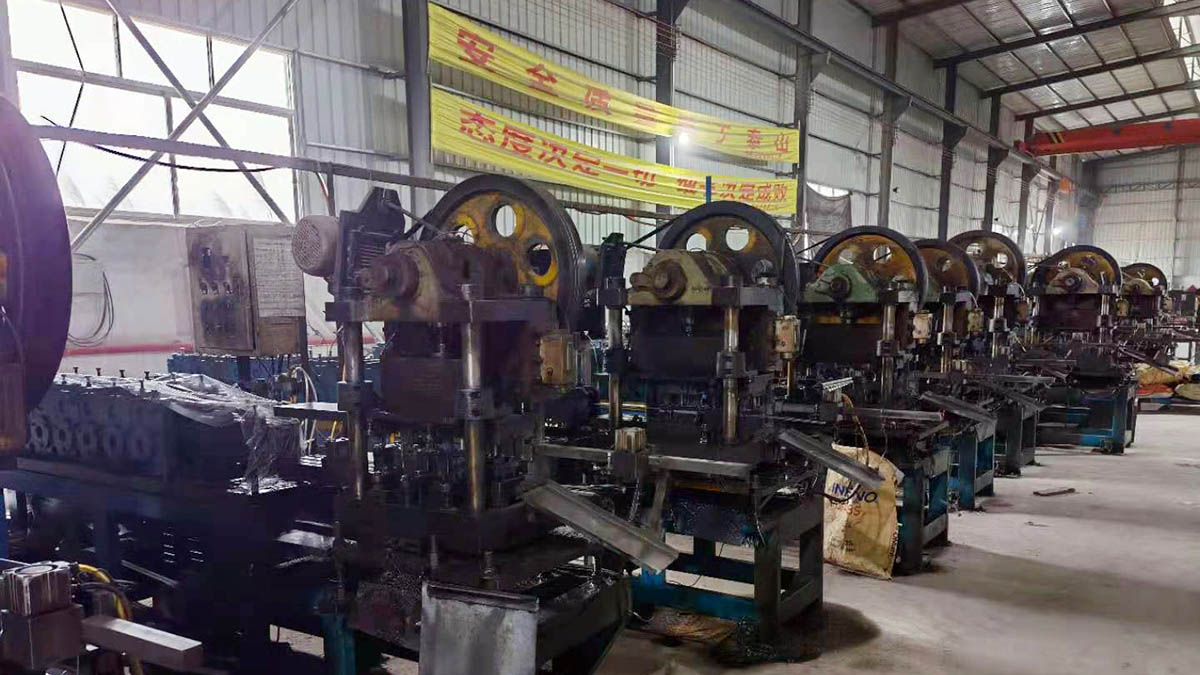

Why Global Importers Partner with Guangzhou Jarkul Hardware Co., Ltd.
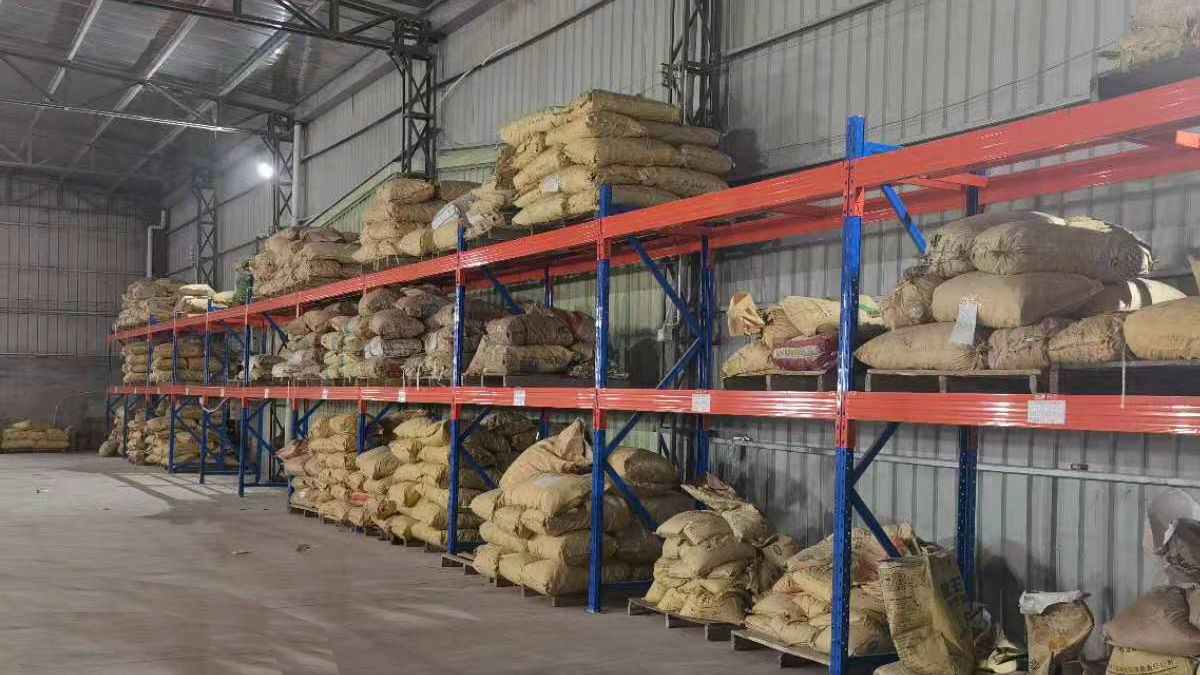
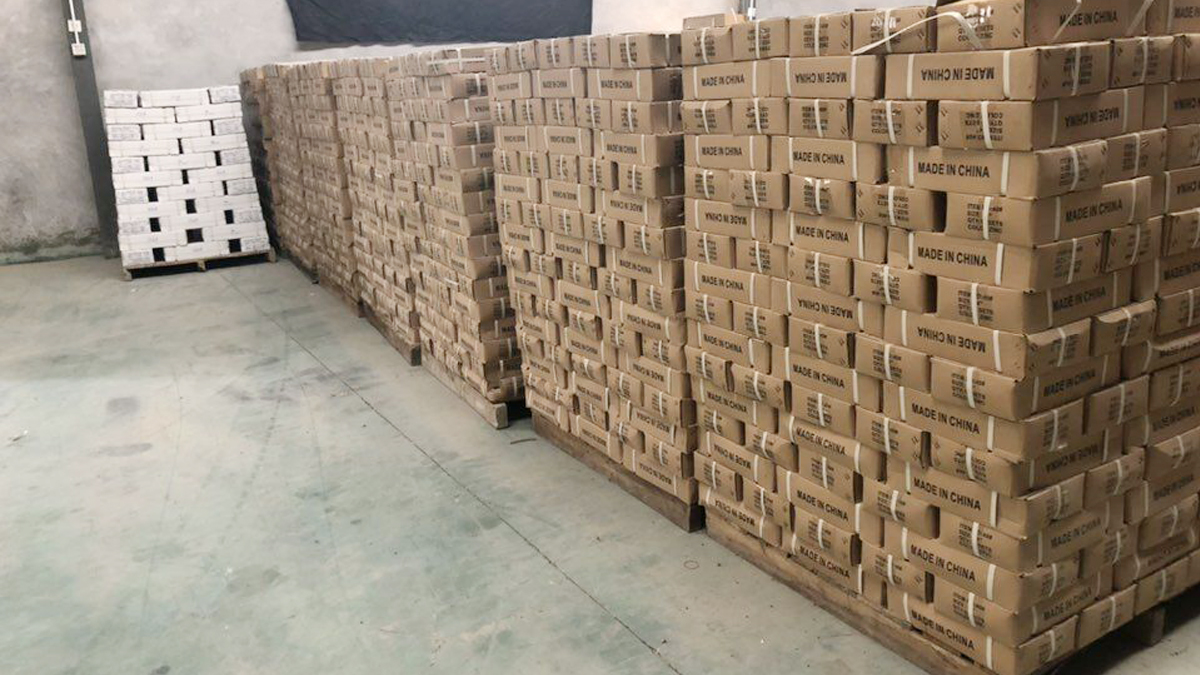
Established in 2011, Guangzhou Jarkul Hardware Co., Ltd. is a specialized integration of hardware development, research, precision production, global sales, and export logistics. Over 15 years of industry commitment, we have developed deep domain expertise in architectural door fittings and premium furniture hardware.
We insist on "the first principle of good faith", providing superior products, competitive direct-factory pricing, and rigorous after-sales safeguards to importers, distributors, and cabinet brands across more than 30 countries and regions worldwide.
-
Full B2B Service Chain
Comprehensive pre-sales engineering consulting, in-sales production tracking with photo/video logging, and reliable after-sales claims protection.
-
R&D & Rapid Customization
Strong product development capacity allowing bespoke modifications for profile widths, damping resistance, laser branding, and tailored packaging.
-
Worldwide Footprint
Regular export supply to India, Dubai (UAE), Pakistan, Malaysia, Philippines, Maldives, Saudi Arabia, Egypt, Trinidad & Tobago, Kuwait, South Africa, Canada, USA, UK, Uruguay, and more.
Connect with Our Engineering & Export Sales Division
Send your extrusion drawings, target hardware specifications, or sample requirements. Our team responds in less than 2 hours with comprehensive technical datasheets, quotation breakdowns, and consolidated container loading plans.
Official Email: [email protected] • FOB, CIF & EXW Delivery • Guangzhou, China